
From the Assembly Line to Legends: My Journey Through the Mercedes Factory in Sindelfingen and the Museum in Stuttgart
Before immersing myself in the history of the Mercedes brand at the museum in Stuttgart, I had the rare chance to witness the present and future of automotive production first-hand – during a factory tour through the high-tech Mercedes-Benz manufacturing plant in Sindelfingen.
In order to book a factory tour, you have to buy your tickets online. Here’s the link: https://mb-werkbesichtigung.de/sindelfingen/Booking#!/clientbooking. Once purchased, the ticket is delivered via e-mail as a PDF.
As a visitor, you can choose between two types of tours: open group or closed group. Open groups are public and anyone can join, while closed groups are organised for selected participants, such as employees of a specific company. I went for the open group, which included a maximum of fifteen guests and was part of the intensive tour.
There are four different types of tours available. The Compact tour lasts 45 minutes and gives a short overview of the three square kilometre site – larger than Monaco or the Vatican – but visitors stay on the bus the entire time. Children aged four and above can take part. The Compact Plus tour includes one of three production areas: the body shop, press shop, or final assembly. It lasts one hour and fifteen minutes and is open to children aged six and older.
I opted for the Intensive tour, which allows visitors to experience two of the three production areas over the course of one hour and forty-five minutes. Alternatively, it is also possible to visit Factory 56. The Intensive Plus tour, available only in German, includes all three production areas or Factory 56 and lasts two hours.
In my personal opinion, the longer, the better – even one hour and forty-five minutes fly by incredibly quickly. Especially if you come from far away, it’s worth experiencing as much as possible. The regular price for the Intensive tour I chose was 15 Euros. The Mercedes factory is not located in Stuttgart like the museum, but in Sindelfingen, west of the city. The exact address is: Käsbrünnlestraße 25/1, 71063 Sindelfingen. You can easily find it using any navigation system, whether as a phone app or a traditional GPS device. The factory builds the current GLC SUV, the E-Class saloon and estate, and the flagship S-Class saloon.
It’s possible to get there by car, bus or train. In my opinion, driving is the easiest option – especially if you’re unfamiliar with the public transport system, its stops, and how to get from the station to the site. There’s plenty of free parking right next to the main entrance of the customer centre, where people collect their new cars and where the factory tours begin.
Before heading into the production area, all visitors are first brought into a conference room, where a short promotional film is shown. It’s a slick marketing video with nice music, showcasing how a modern vehicle is built – but still a good introduction. Photography and filming are strictly forbidden during the tour, so all phones and cameras must be put away. Before entering the plant, we were given small headsets, plastic safety glasses, and orange Mercedes-branded safety vests.
A bus then took us from the customer centre to the main production site – a city within a city, with infrastructure designed to meet the needs of both workers and machines building the three-pointed star vehicles.
The first stop was the body shop. We were guided through several workstations, where KuKa robots handled three key joining processes: welding (steel-to-steel or steel-to-aluminium), adhesive bonding (epoxy-based for crash-relevant components and rubber-based for noise and vibration reduction), and mechanical fastening such as screwing, bolting, or clinching – ideal for high-load areas. At this stage, the process is almost entirely automated, with humans mainly refilling materials. This allows for precise gap tolerances down to tenths of a millimetre.
After that, the bus took us to the final production stage: final assembly. Unlike the previous area, there are many more human workers involved here. For instance, workers have ergonomically designed chairs with parts bins attached, ensuring safety, comfort, and efficiency.
In the final assembly, nearly finished vehicles are brought together and completed by teams of workers. They move along the line on special carrier systems connected to the plant’s central production system. Each car has a QR or barcode containing its VIN and full configuration – from engine and colour to every optional feature. The system uses this data to ensure that each car receives exactly the right parts.
As the car progresses down the line, workers install the wiring harnesses, dashboard, seats, and electronic control units. Fluids such as brake fluid, coolant, and washer fluid are also added. Some steps are manual, others automated or semi-automated. The entire process runs on a “Just in Sequence” system, which means parts are delivered not only just in time, but also in the exact order that cars arrive. This eliminates delays and prevents confusion.
Once we finished the final assembly stage, the bus returned us to the customer centre. As a nice bonus, we were allowed to keep the orange Mercedes-branded safety vests. That marked the end of the tour.
Next Up: The Mercedes Museum in Stuttgart
You can buy your Mercedes-Benz Museum ticket either online or directly at the museum itself – I chose the latter. The museum is located at Mercedesstraße 100, 70372 Stuttgart. Tickets can be paid for either in cash or electronically at the counter. There’s a wide range of ticket options available, but I went with the standard one for 16 Euros. If you’d like to explore all the different variants, here’s the official website: https://www.mercedes-benz.com/en/art-and-culture/museum/visitor-information/ticketing/
The museum is open from Tuesday to Sunday, from 9 a.m. until 6 p.m. It remains closed on Mondays.
Parking is available in the underground car park right next to the museum building. From there, you can access the museum directly. The parking fee is 2 Euros per hour.
At the beginning of the museum visit, you step into a lift that takes you all the way to the top floor. That’s where your journey starts – with the oldest exhibits on display, dating back to the very first Mercedes vehicles ever built between 1886 and 1890, along with original historical documents. This area is known as “Mythos 1” in German or “Legends” in English. Just click on the pictures to enlarge them.
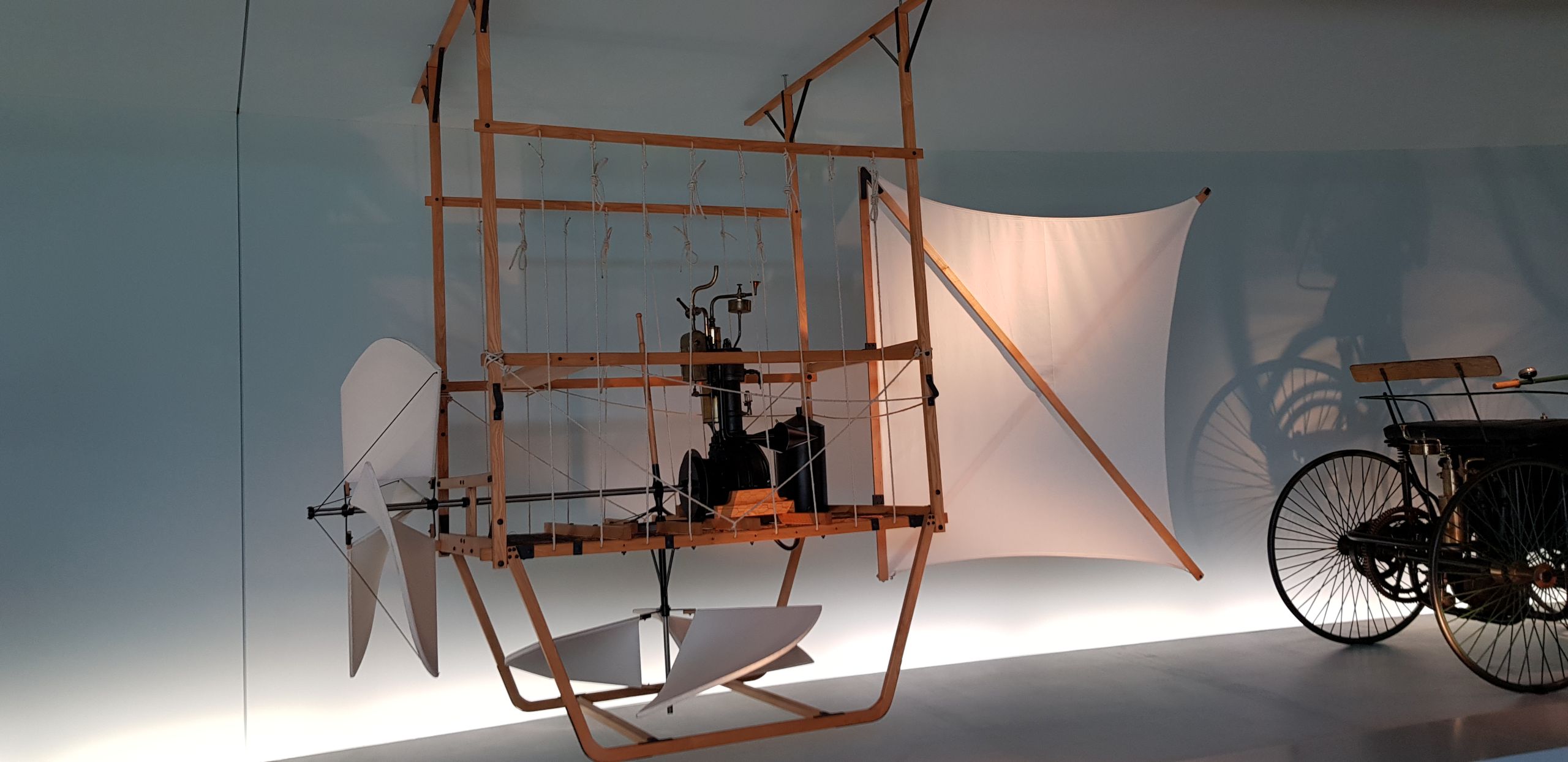

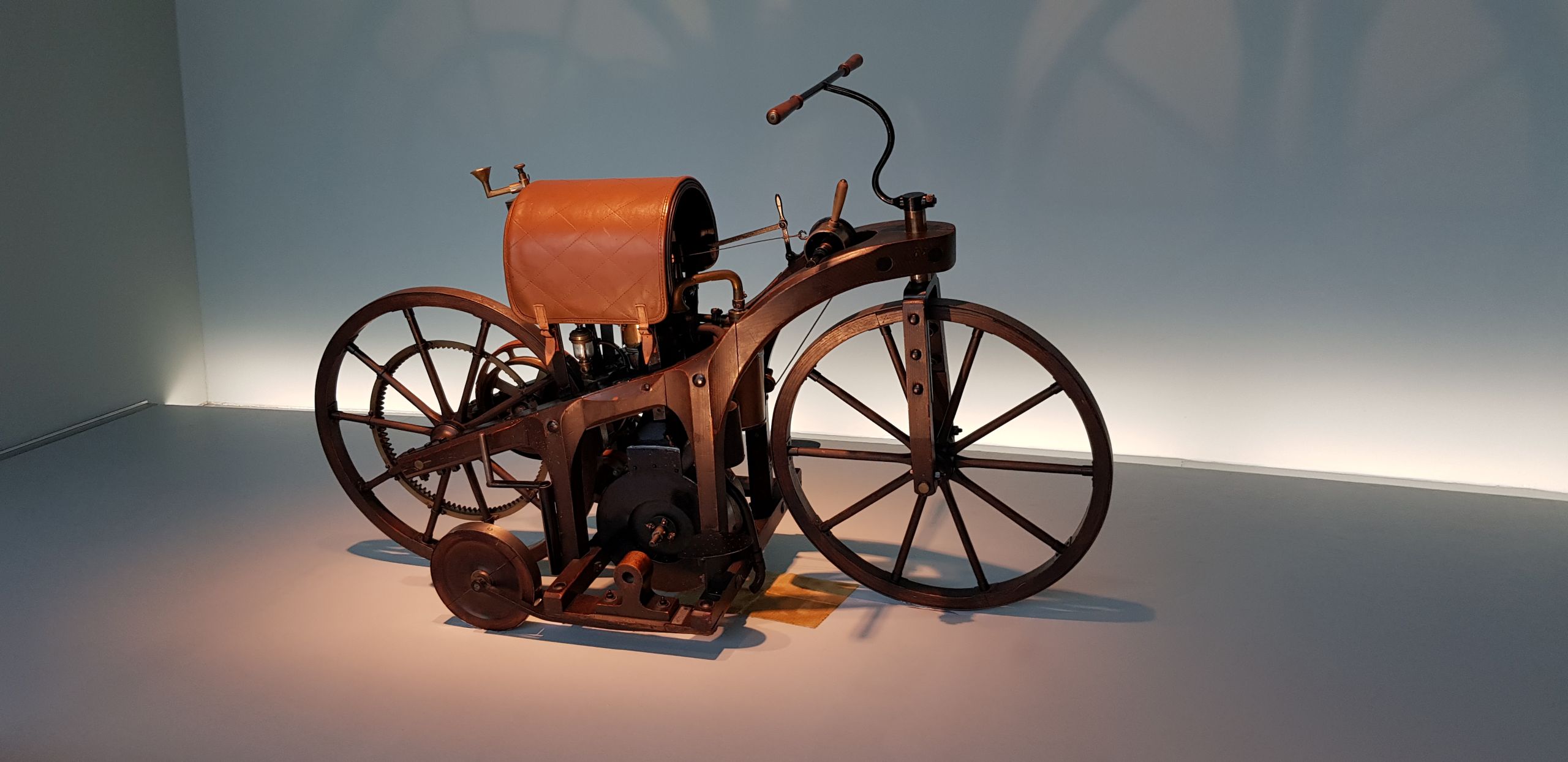
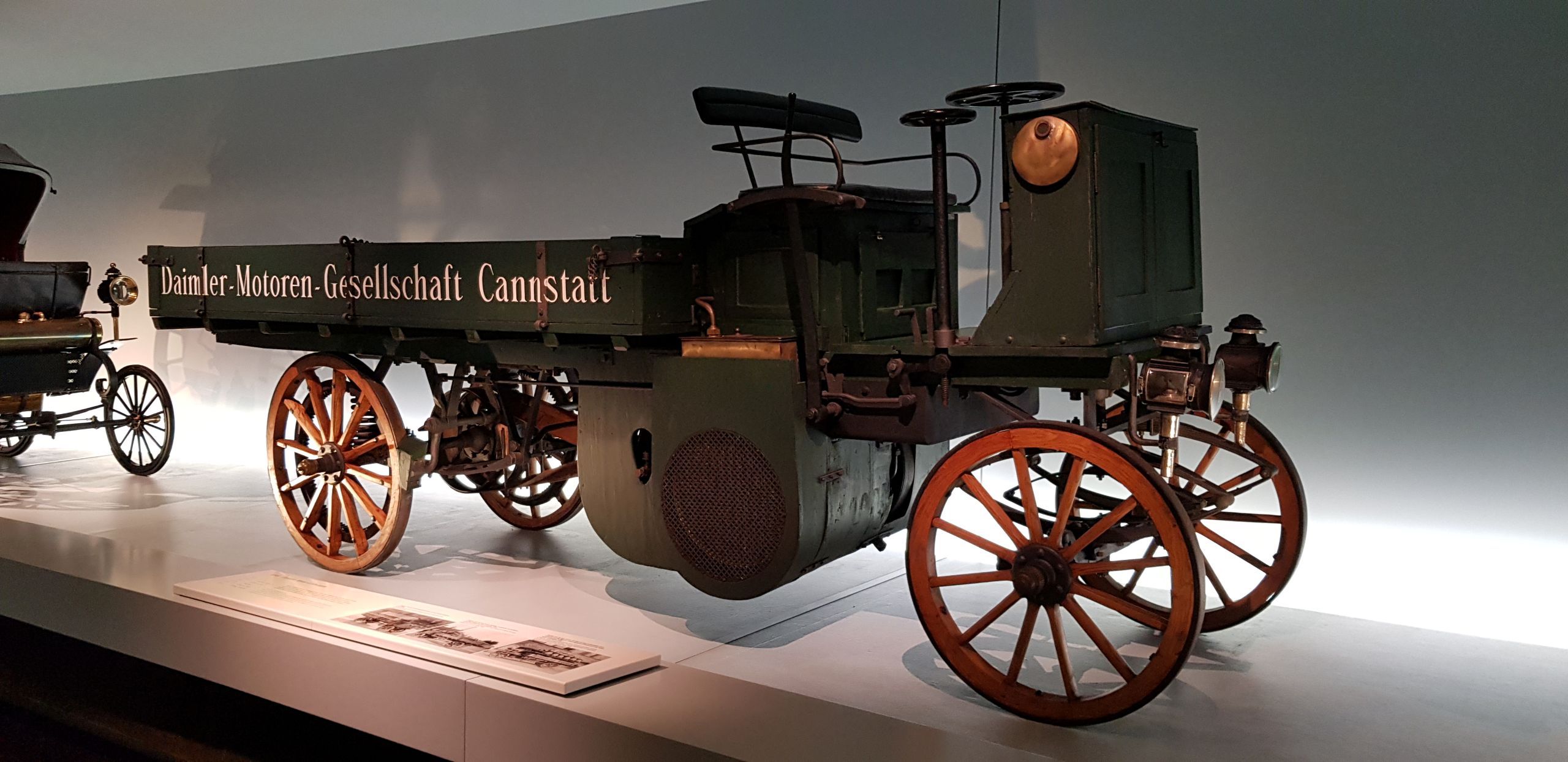
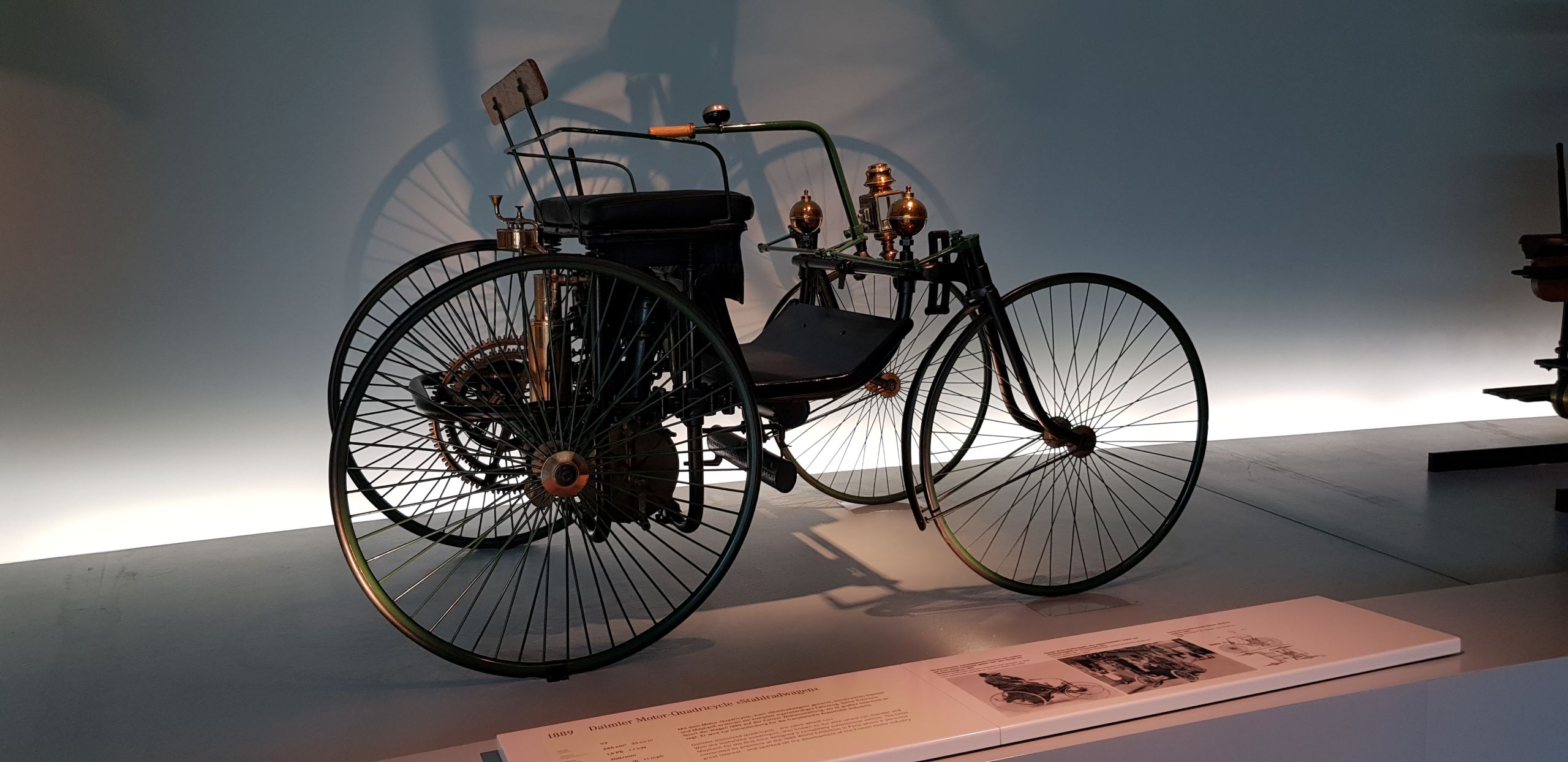
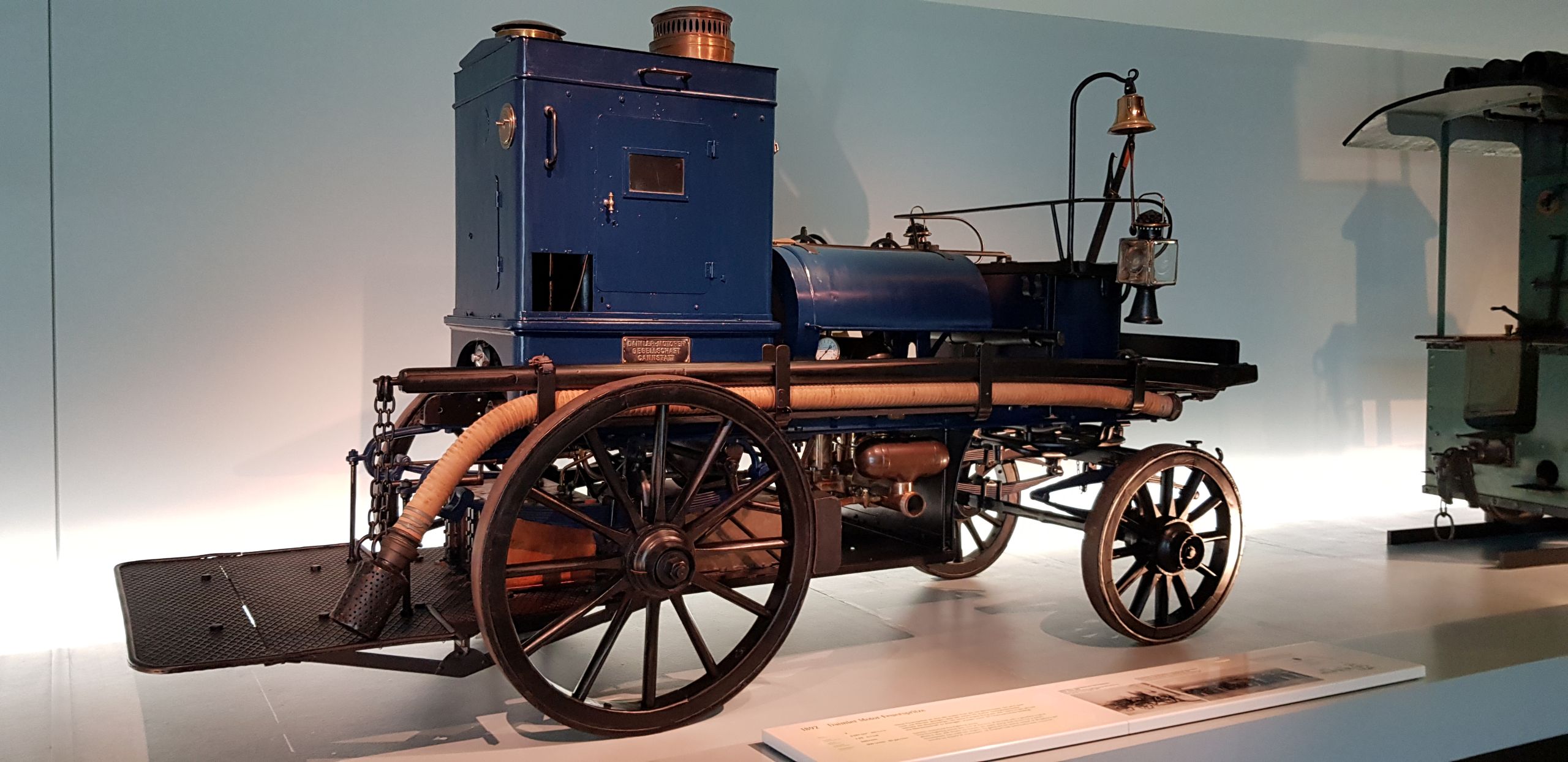
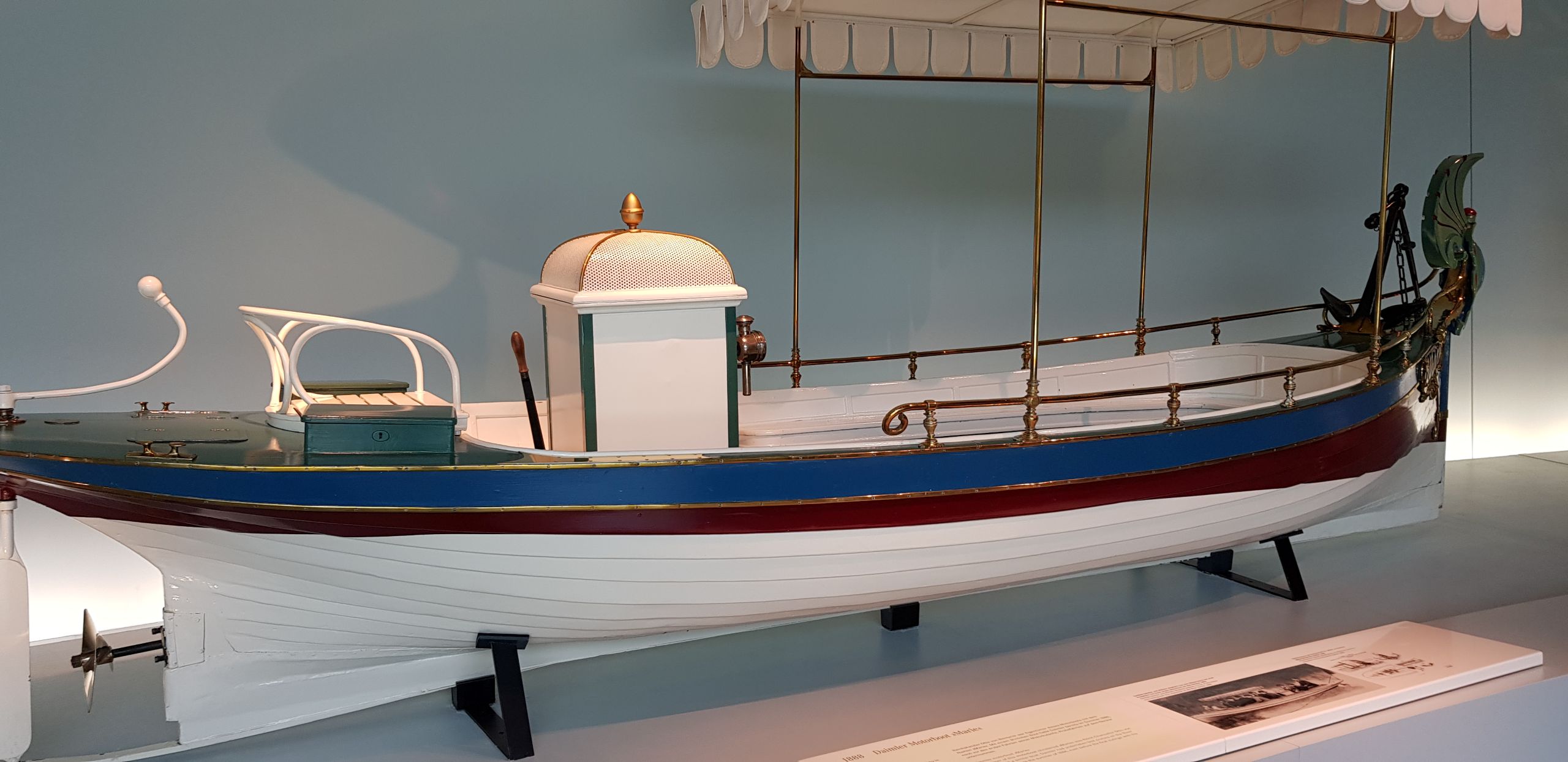
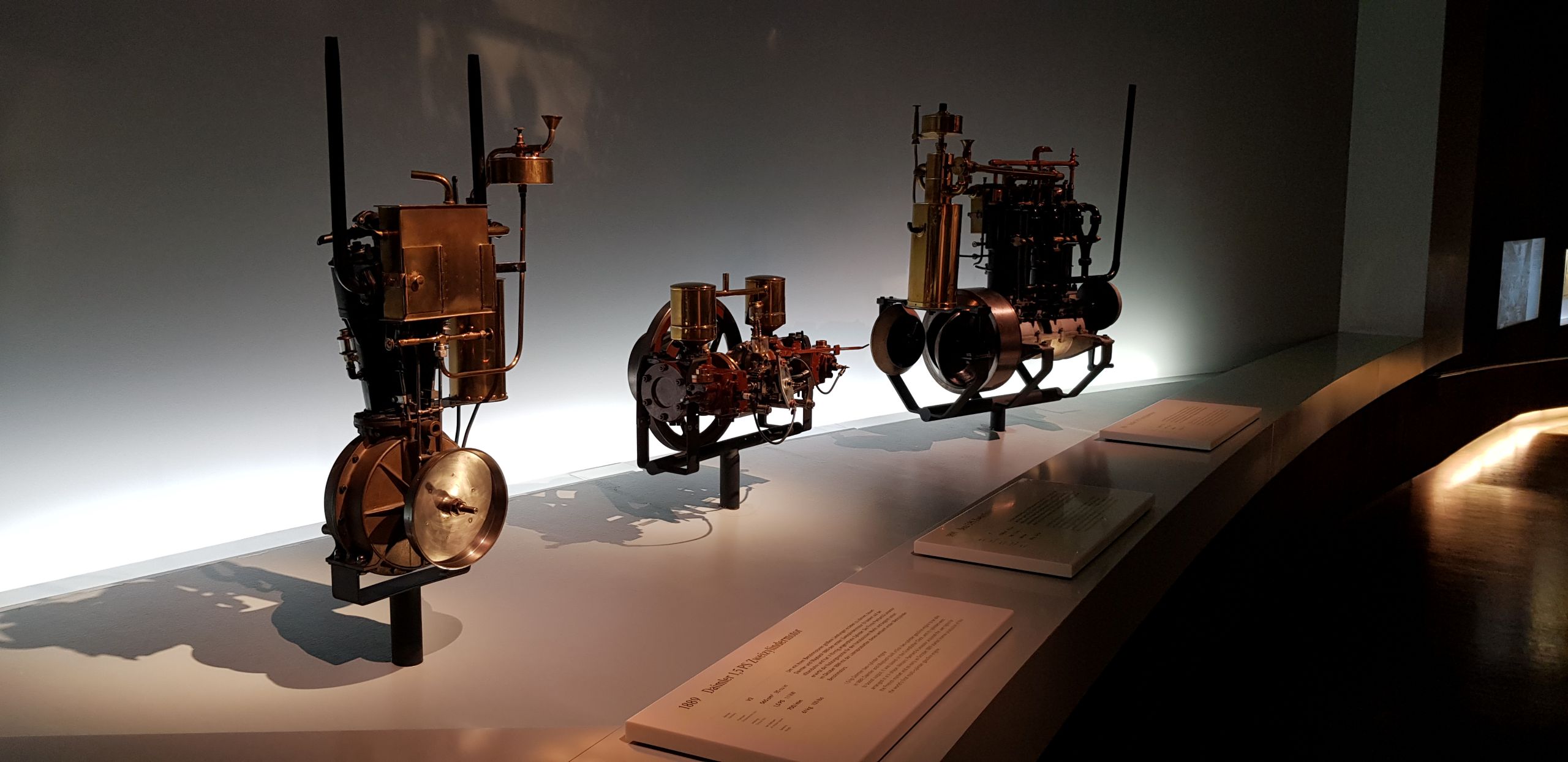
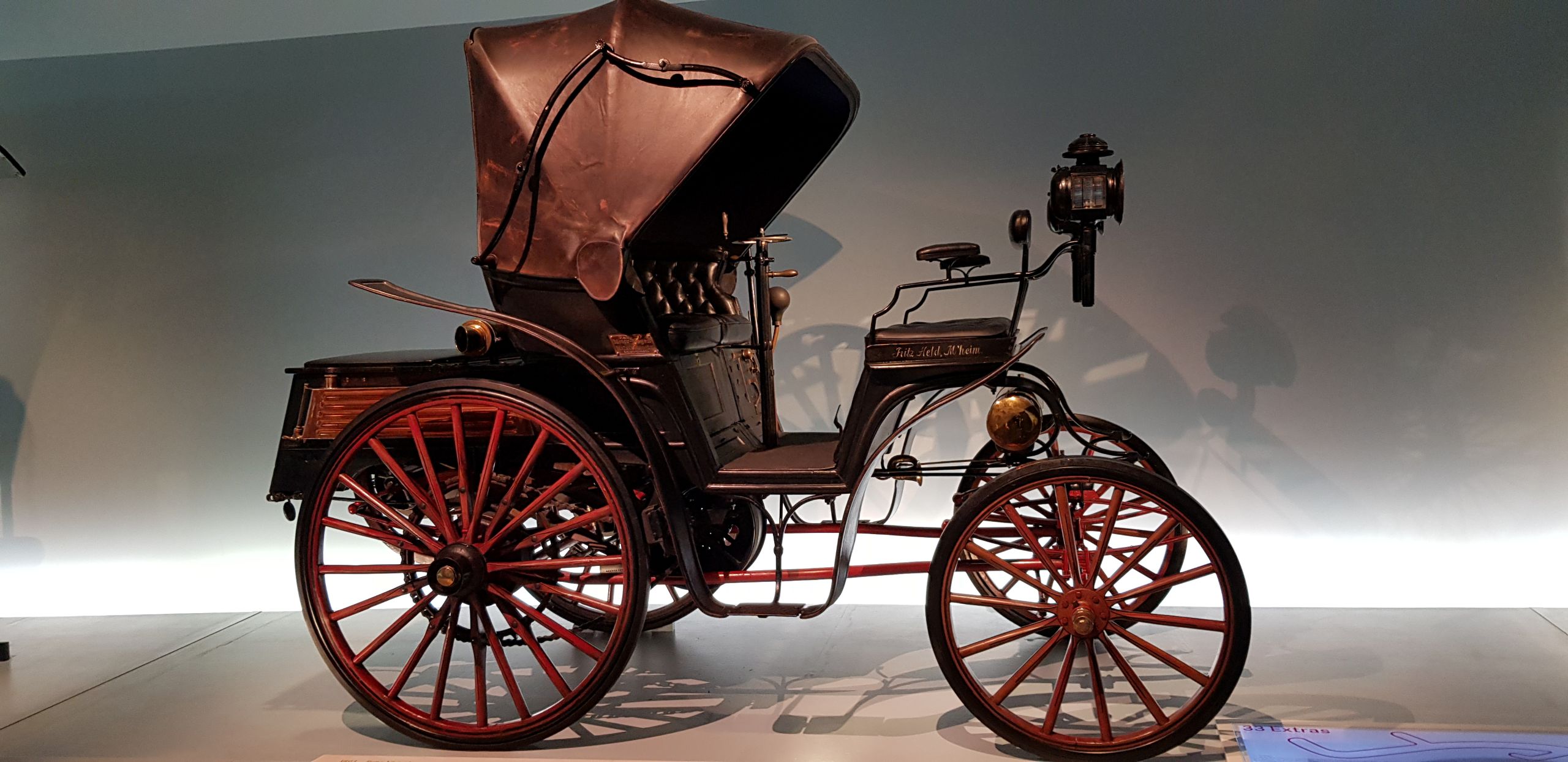
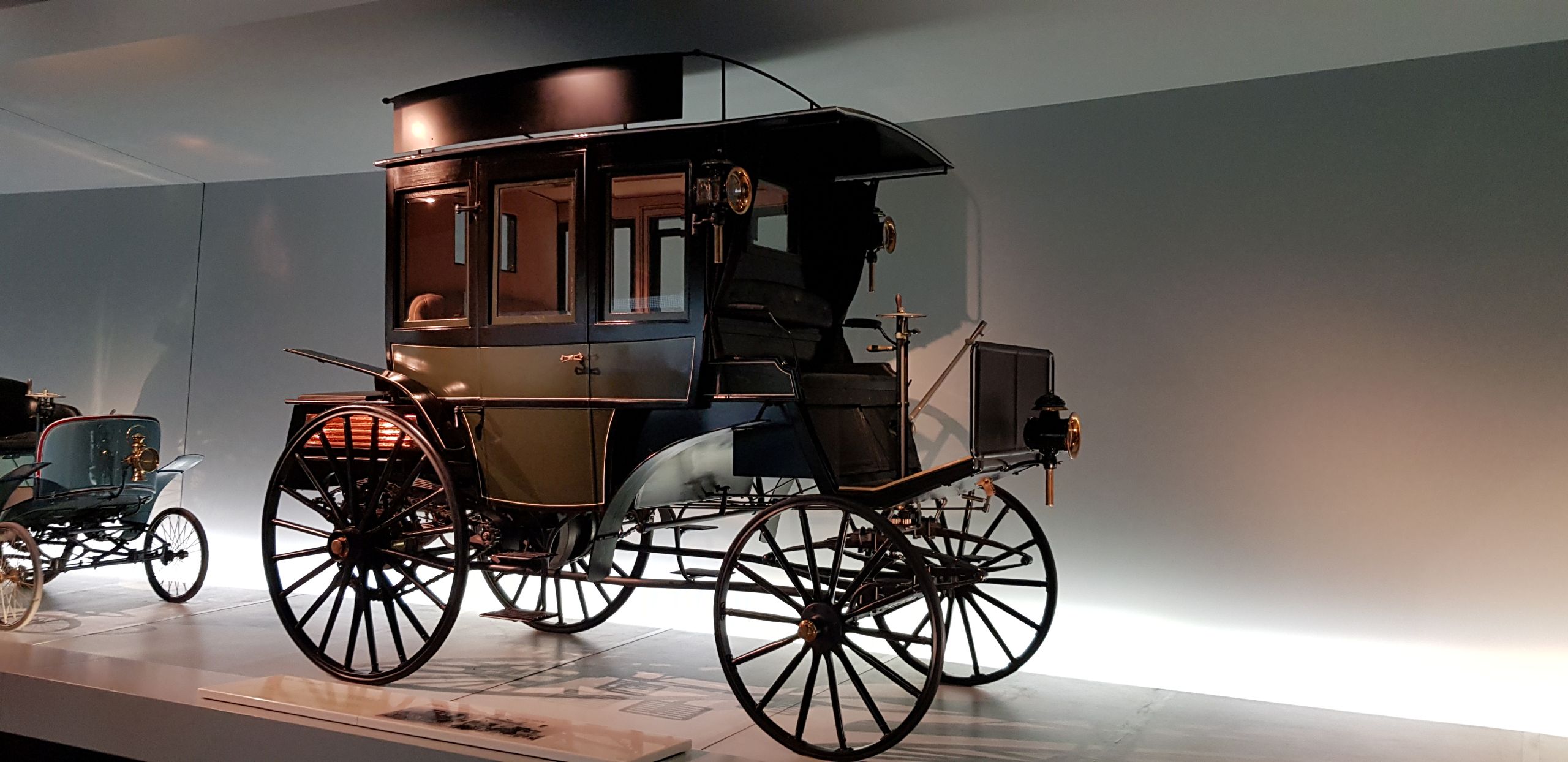
From there you go down and visit both Legends rooms as well as collection rooms that are dedicated to certain themes. The next gallery is an example of a collection room with a voyage theme, called Collection 1. It emphasizes motorized tourism by buses and coaches as well as car travels.
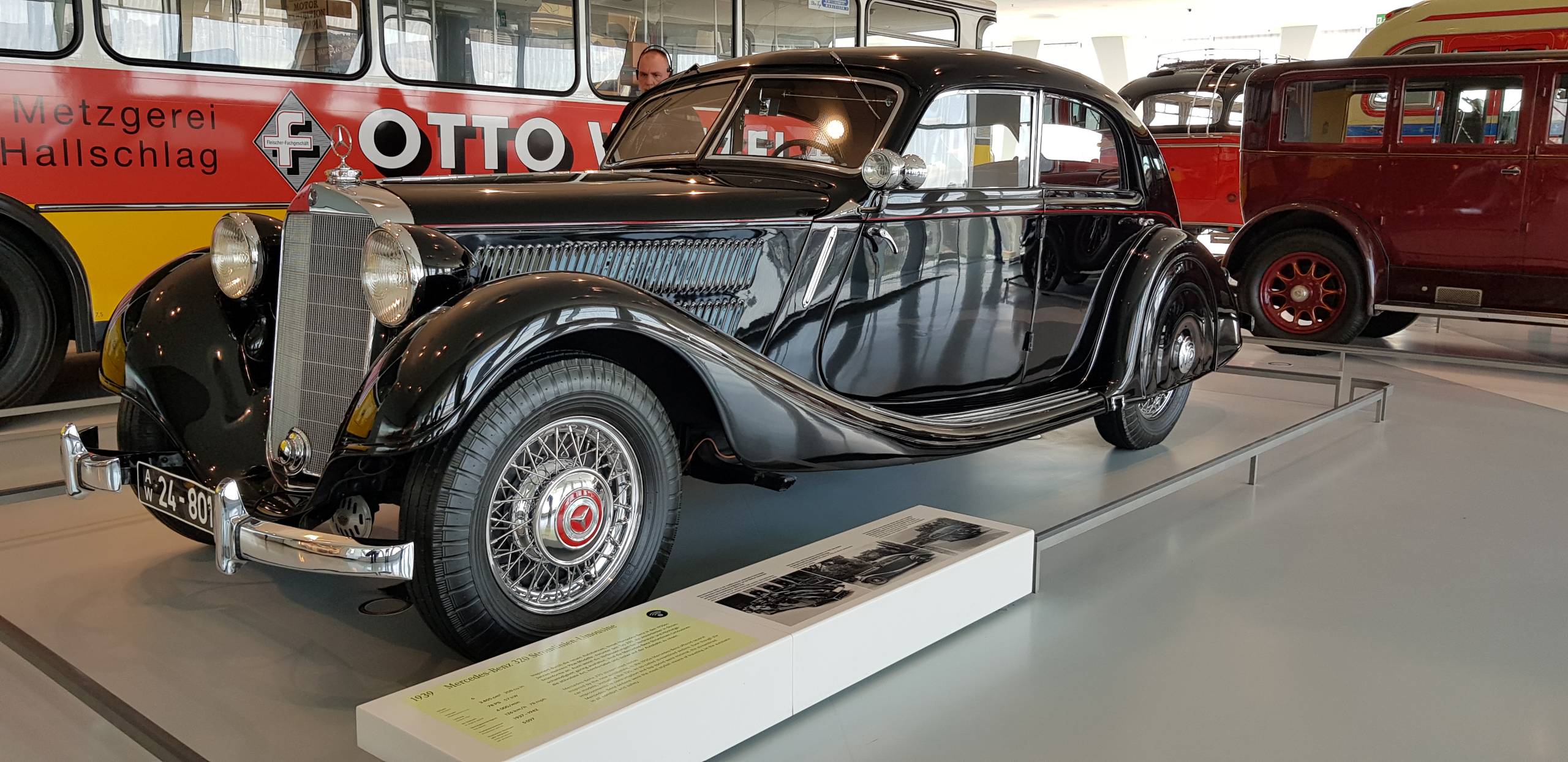
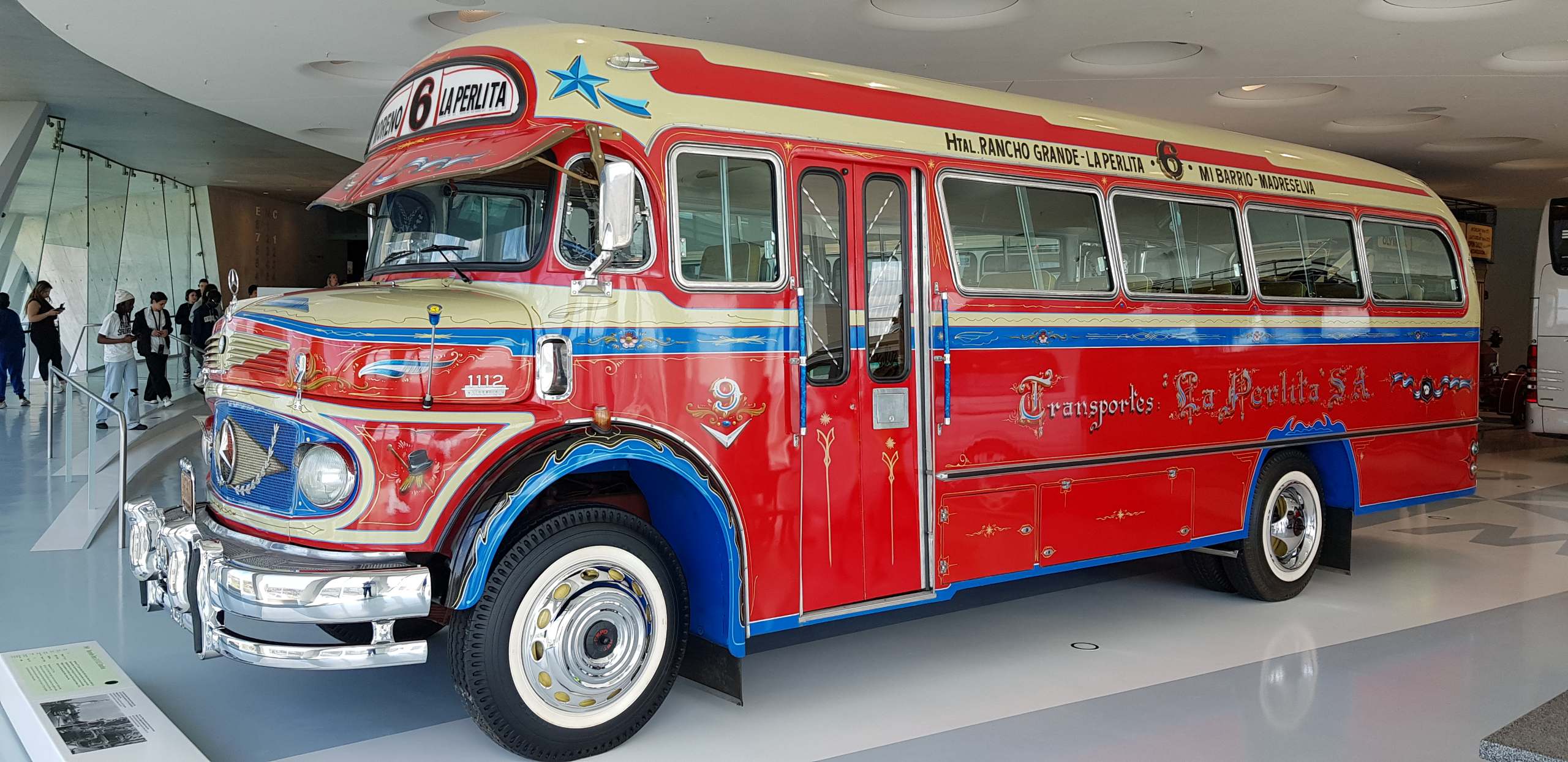
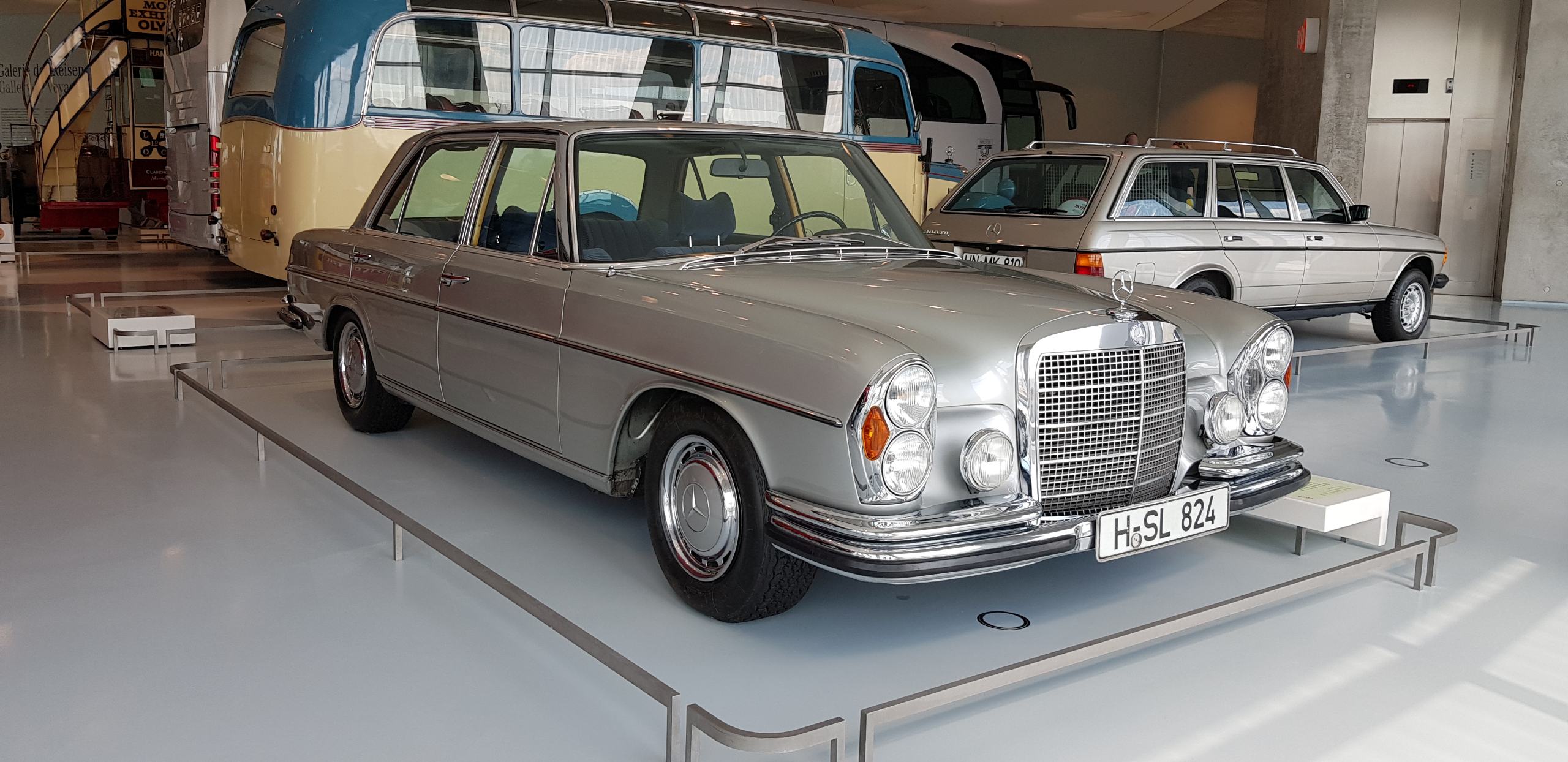
Next after legends 2 comes the legends 3 area. This is the one dedicated to the company’s development of first diesel engines designed for efficiency and reliability as well as supercharged petrol engines that were first developed for the aviation, but found their way into passenger cars later on. One of the main highlights of this hall is the beautiful Mercedes-Benz 500k Roadster.
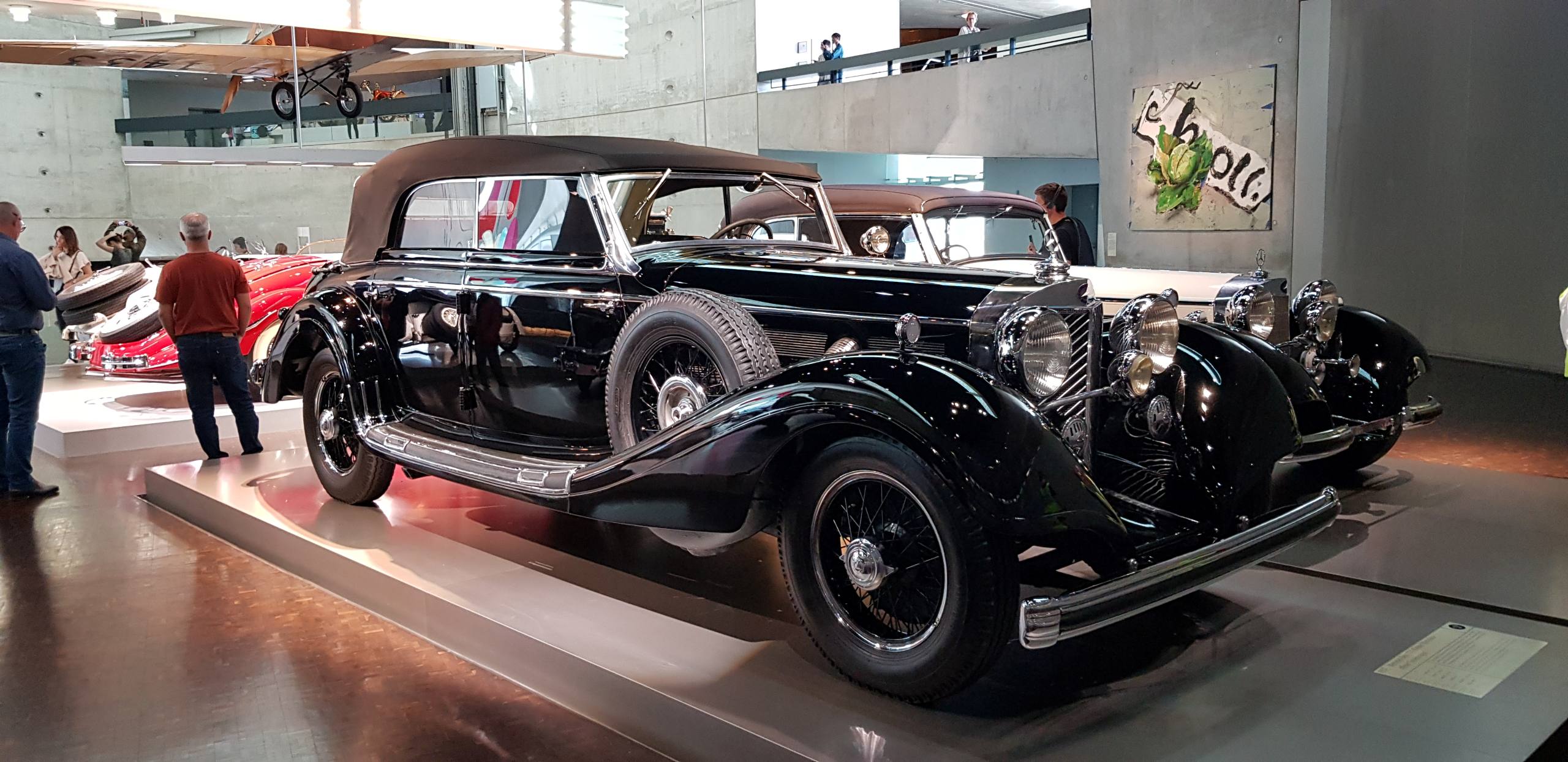

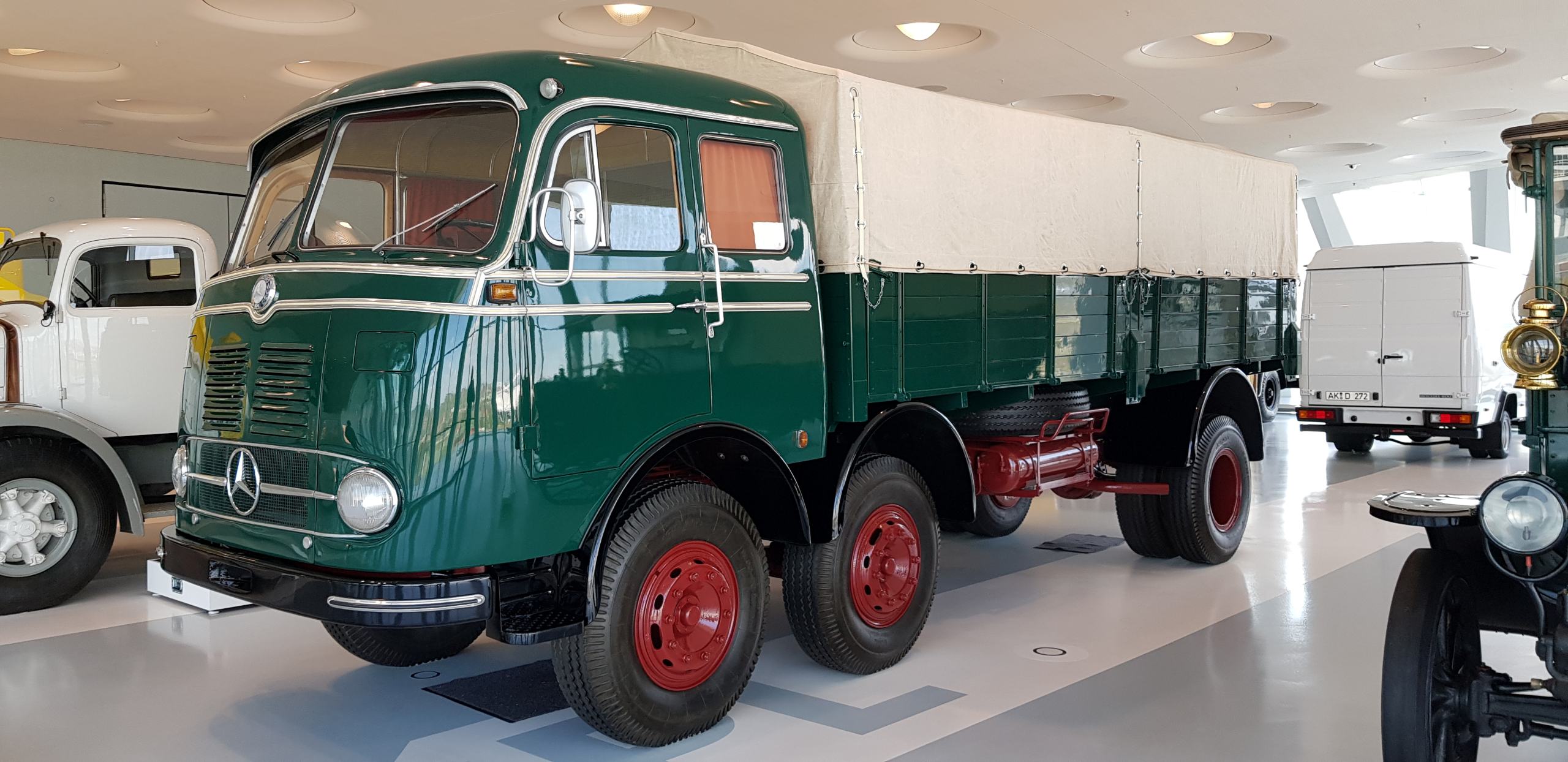
From there, you go to the location of the Collection 2. This one is all about big rigs and HGVs. Who isn’t impressed by looking at those giants of the road?
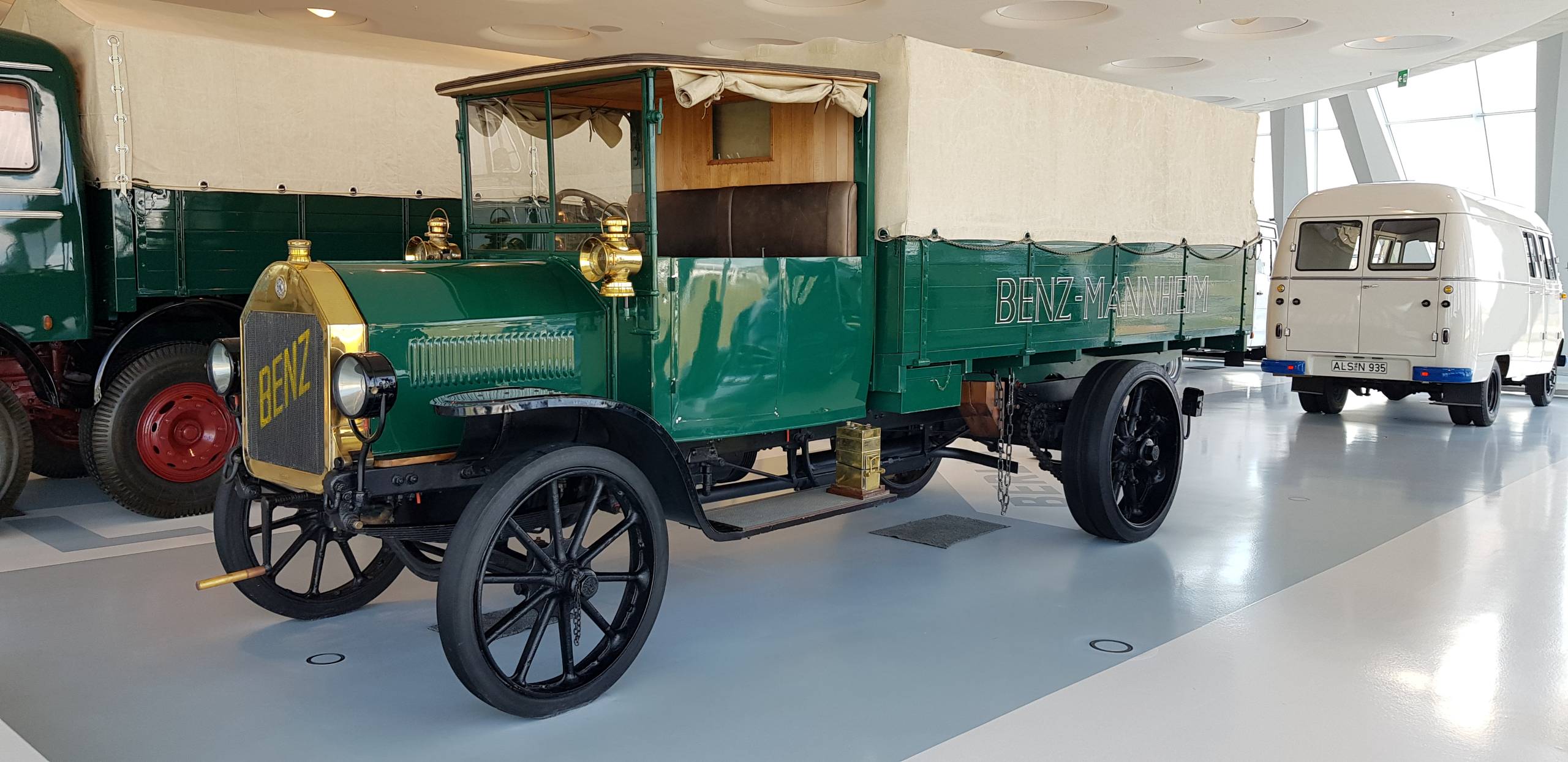
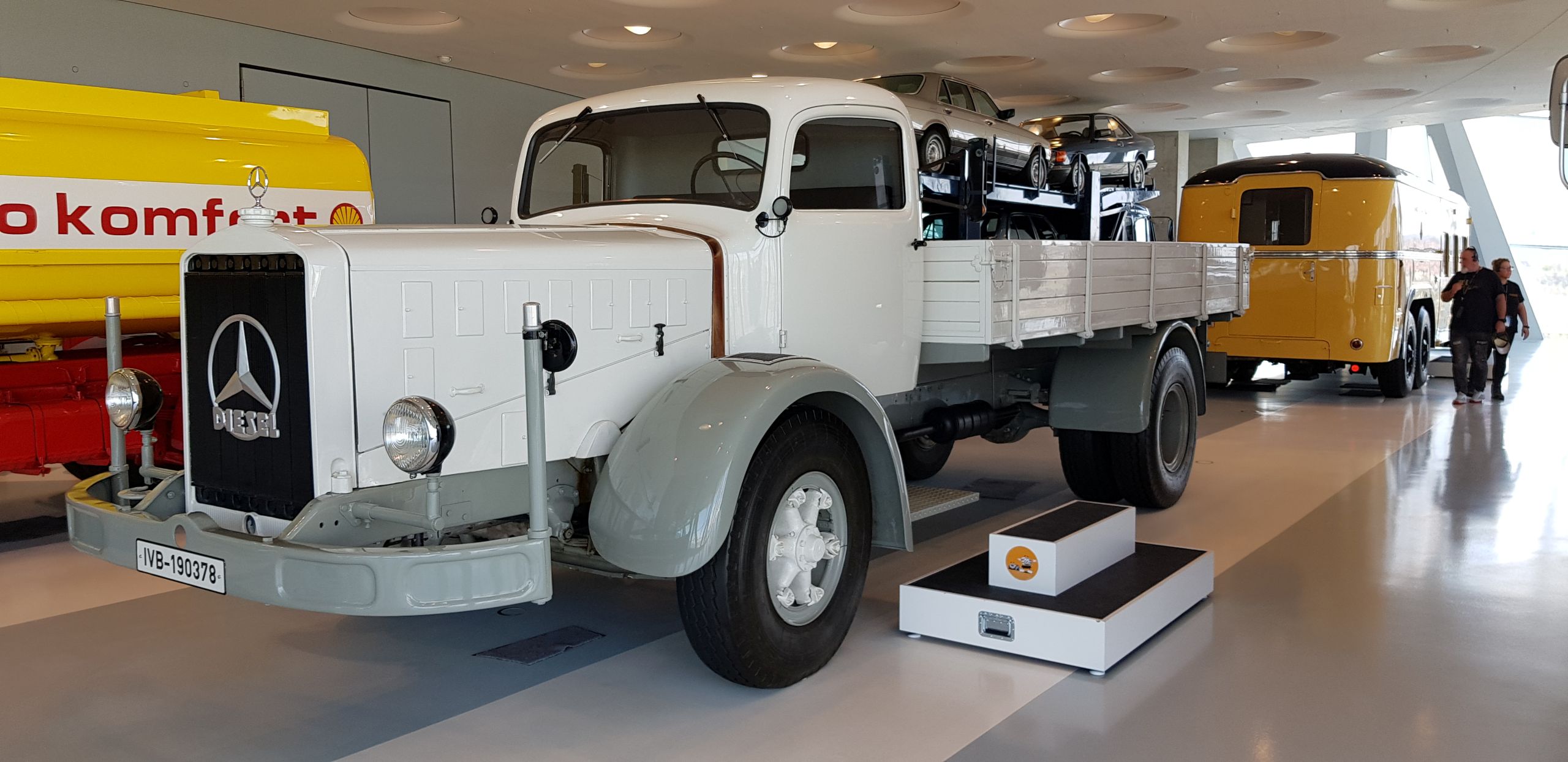
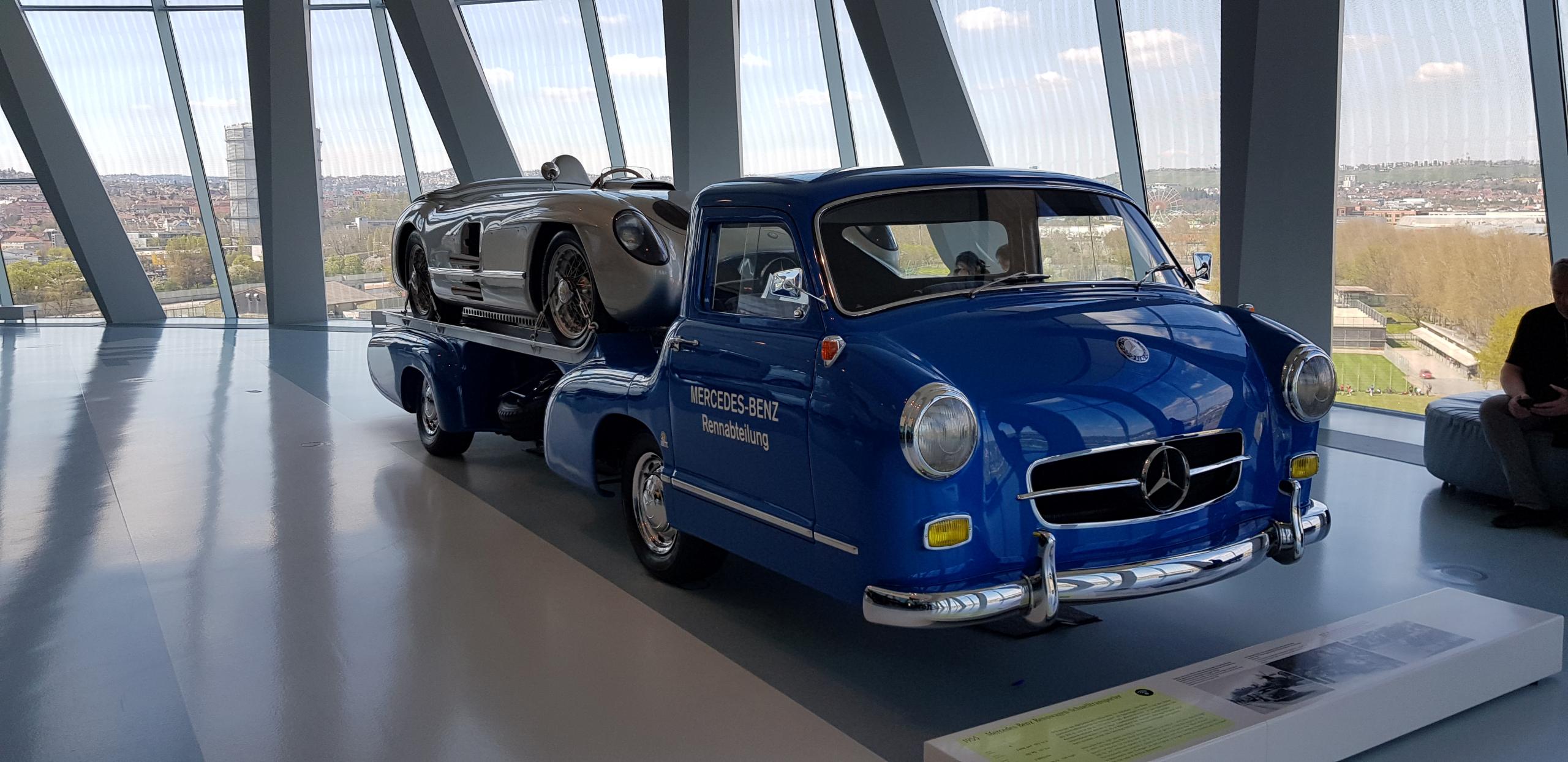
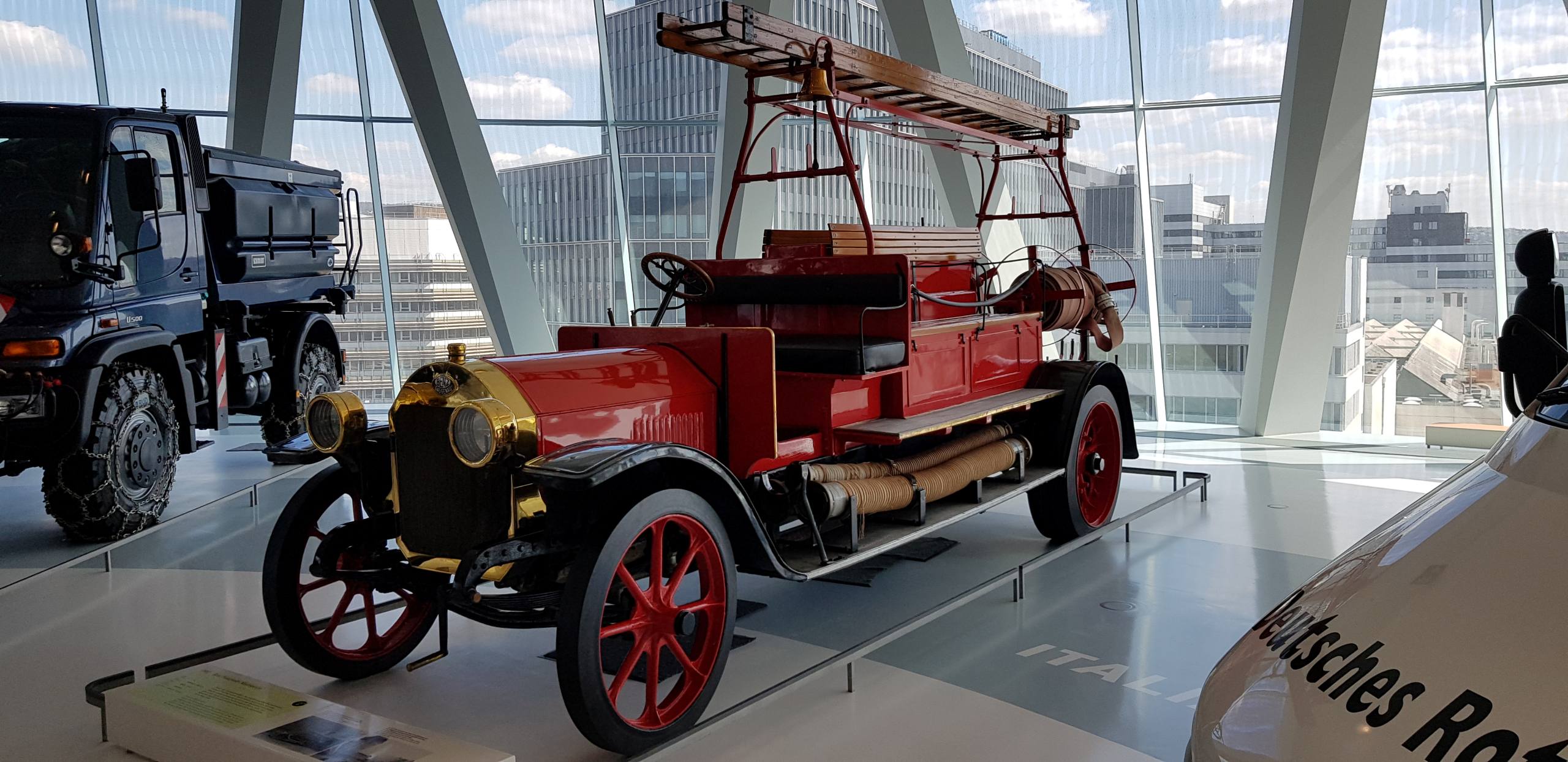
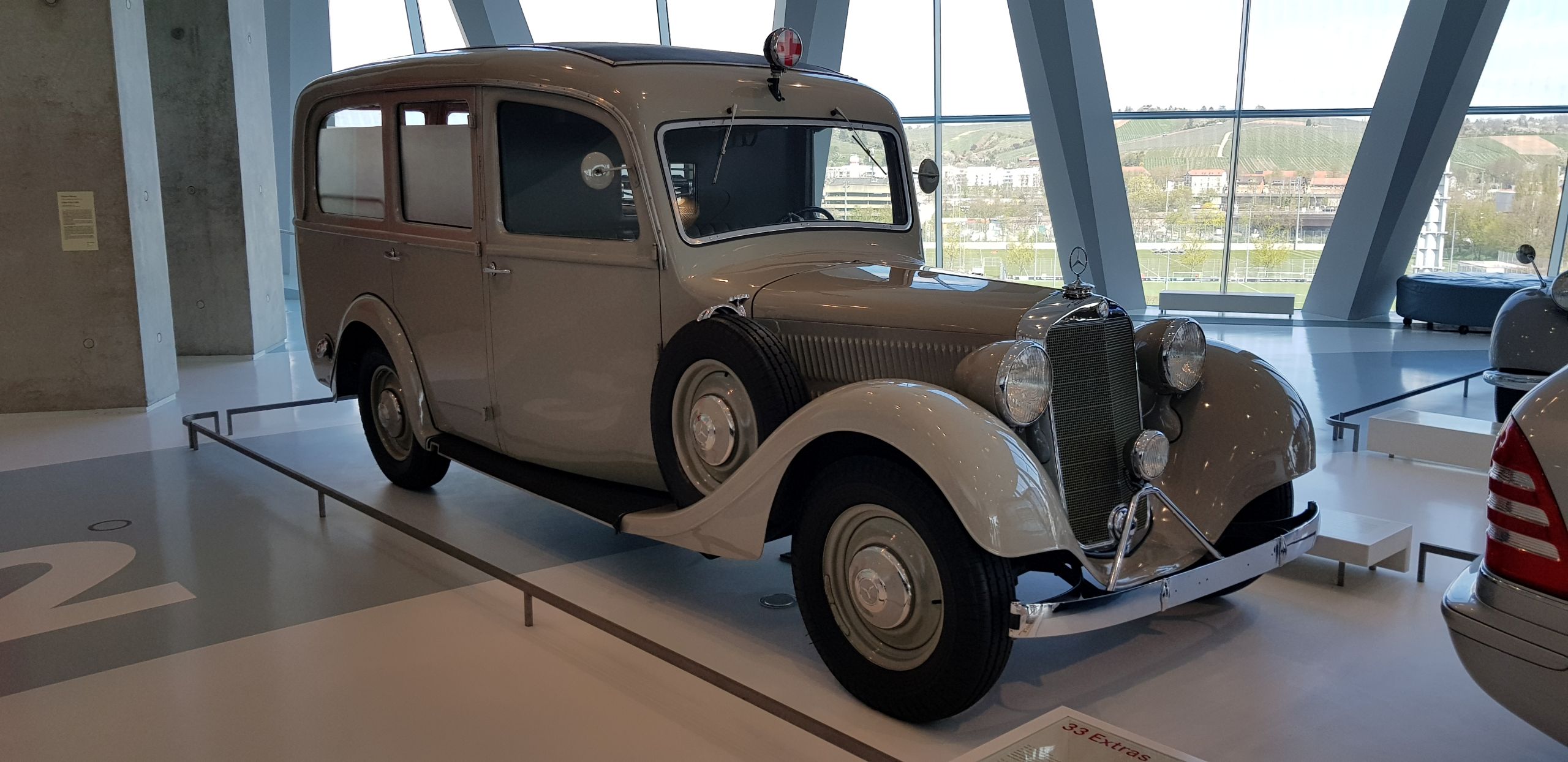
Next up is the area of Collection 3 or the Gallery of Helpers. Ambulances, fire engines, you name it. These vehicles help save countless lives and they certainly deserve a place at the Mercedes-Benz Museum.

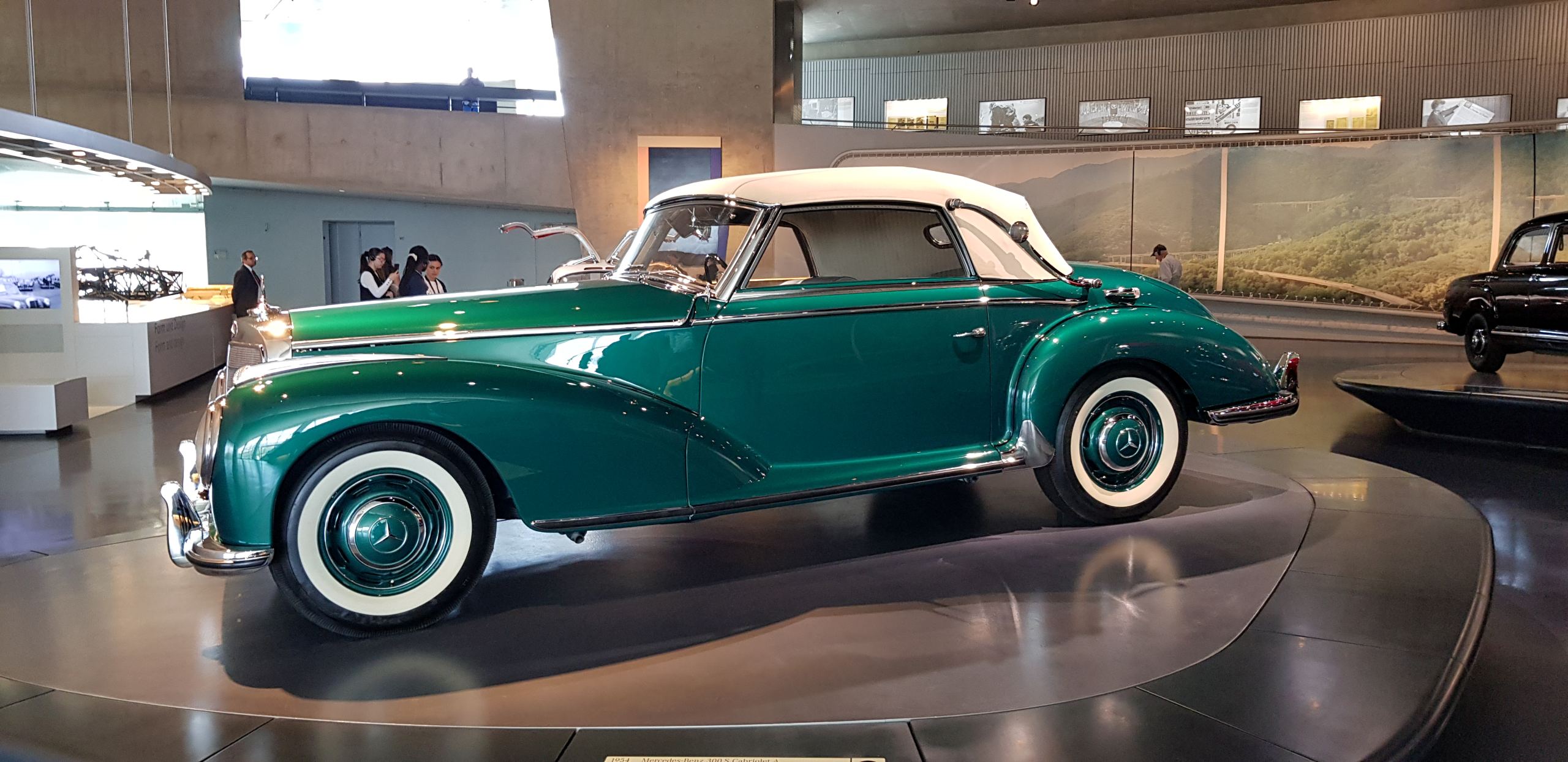
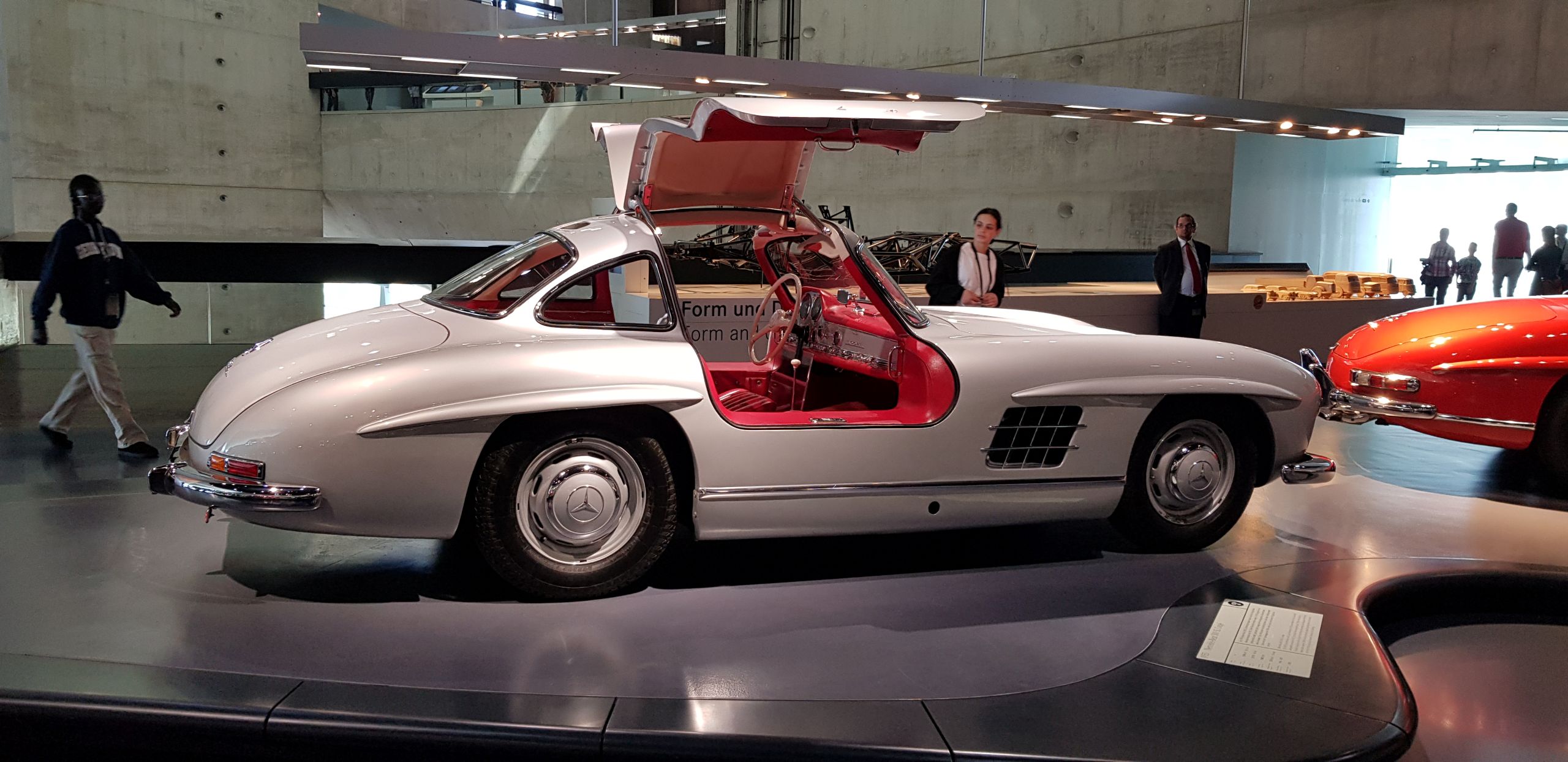
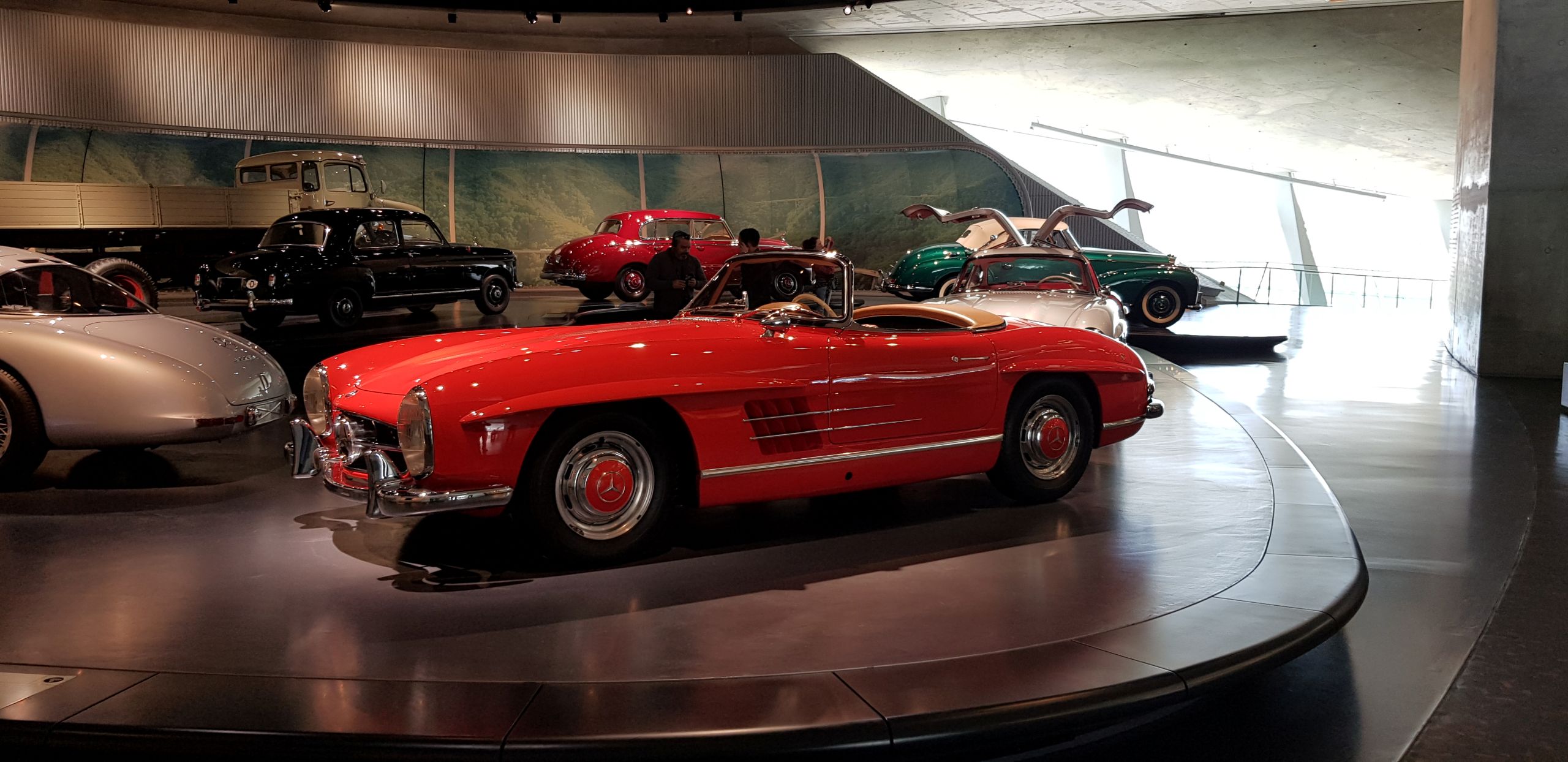
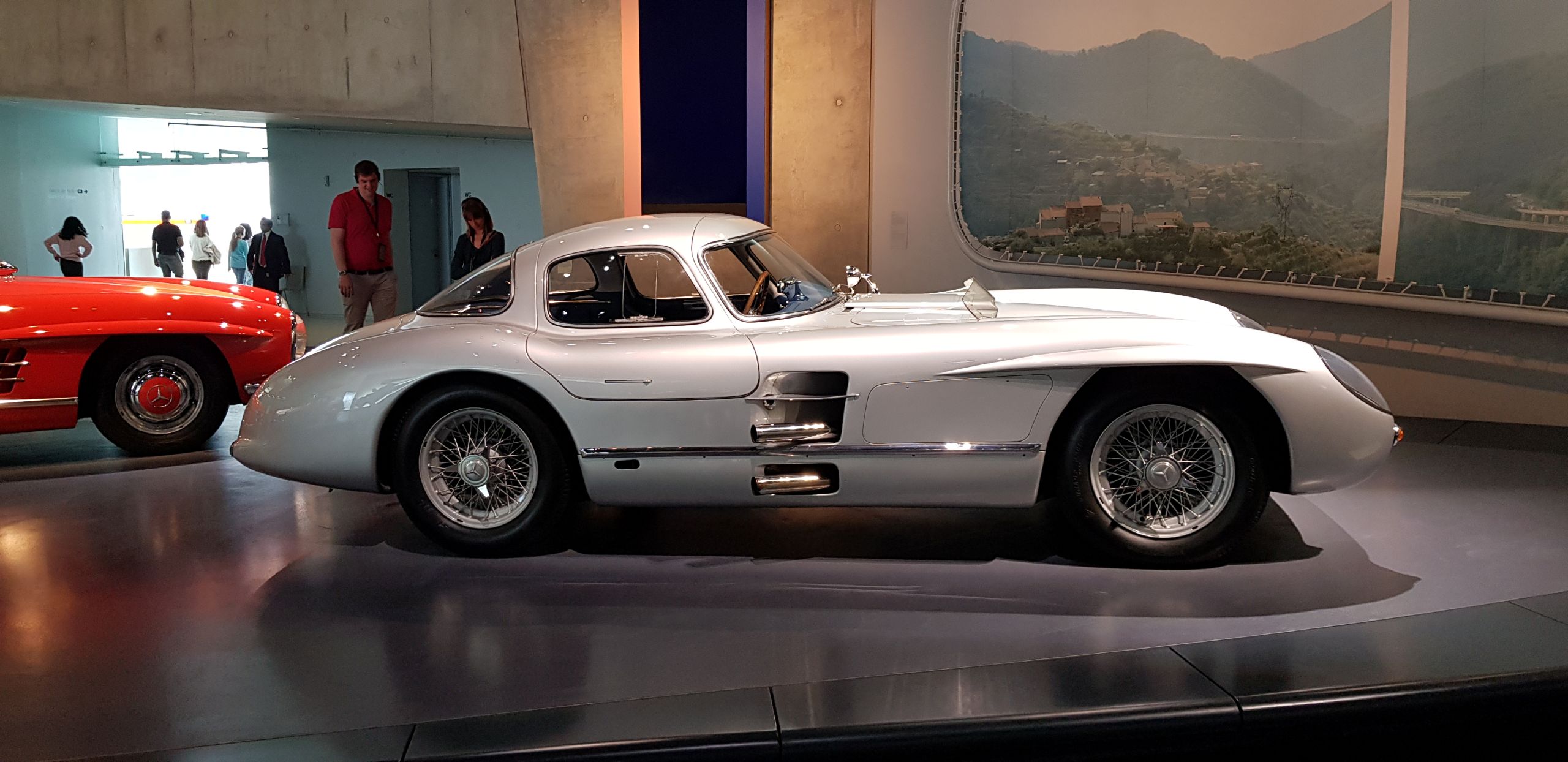
After that, Legends 4, where you find the rarest and most expensive passenger cars ever made. If the Mercedes-Benz 300 SL means something to you as a car enthusiast, that’s the place to find it.
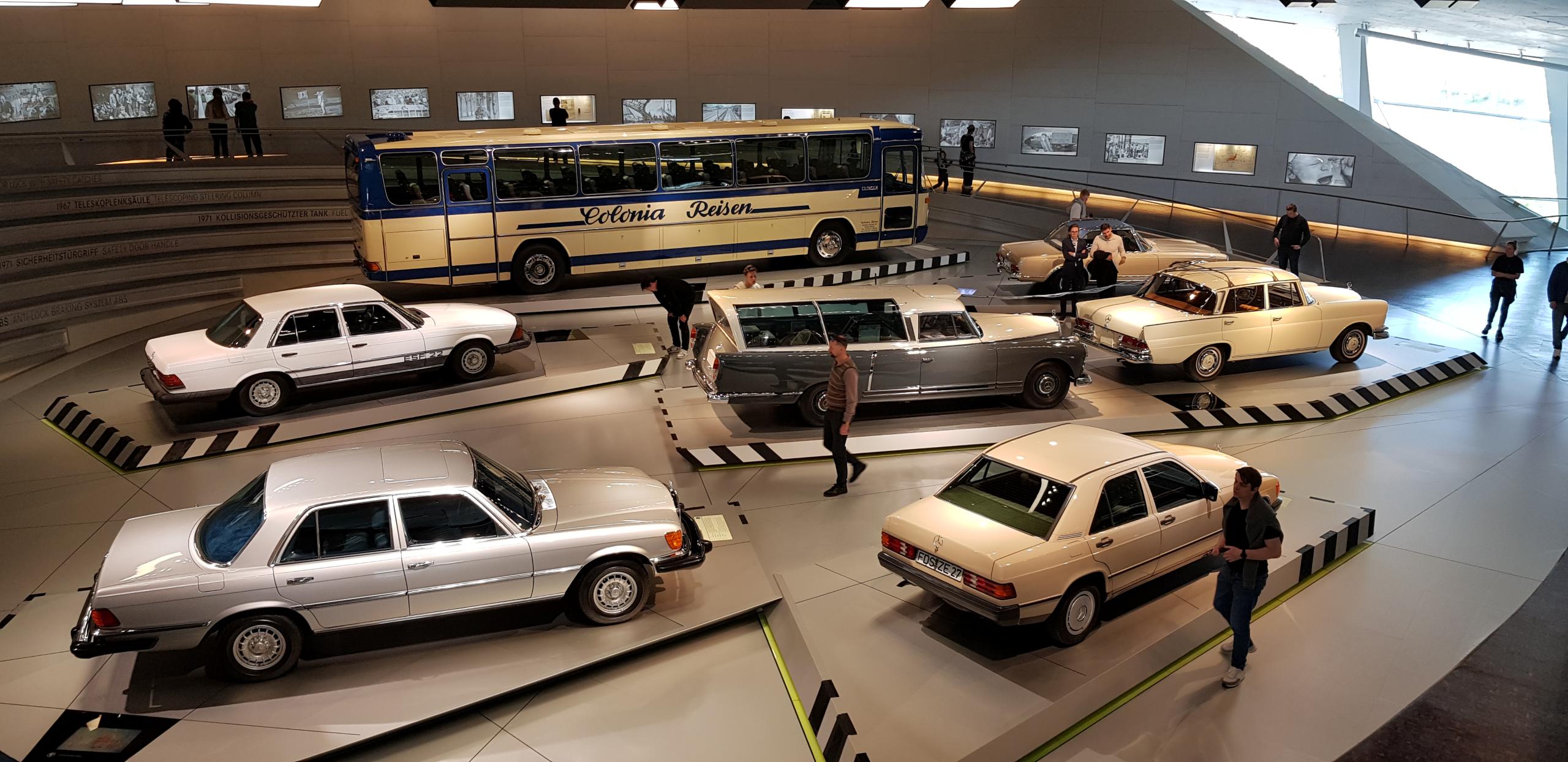
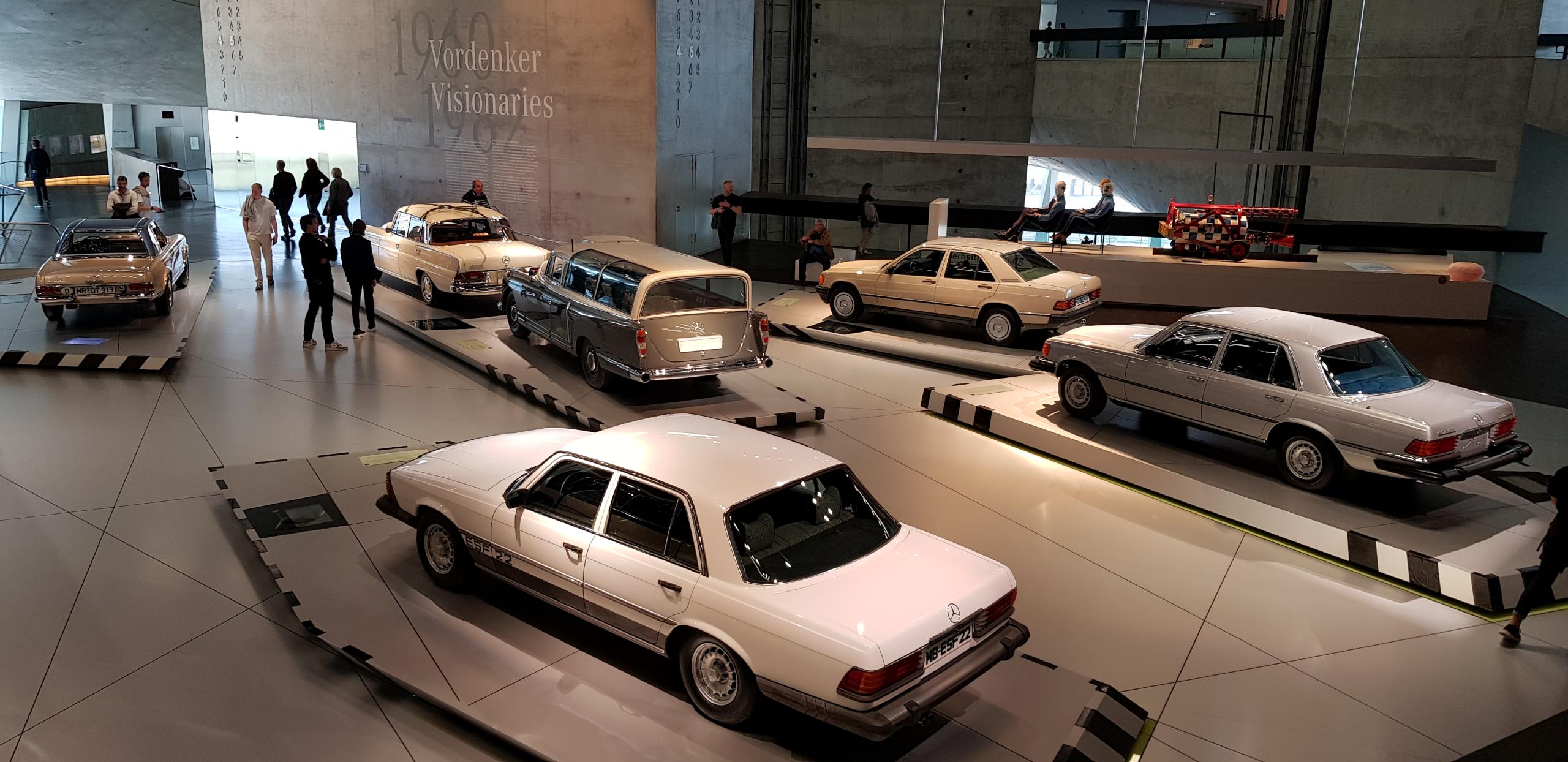
Next, I visited Legends 5. Thematically, it’s all about safety innovations and environmental improvements of Mercedes-Benz vehicle operation on the road. One example: The 190E saloon displayed here.
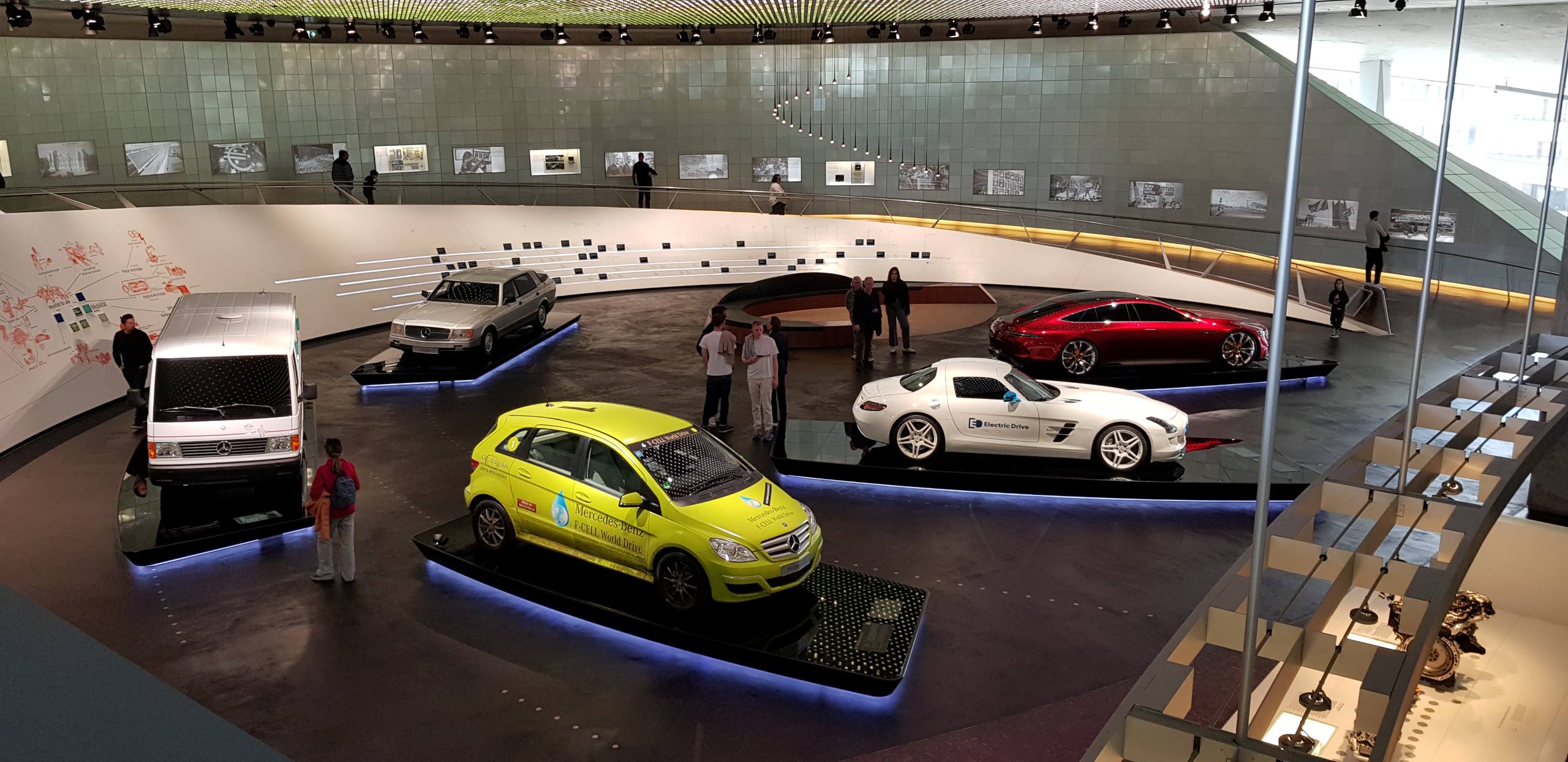
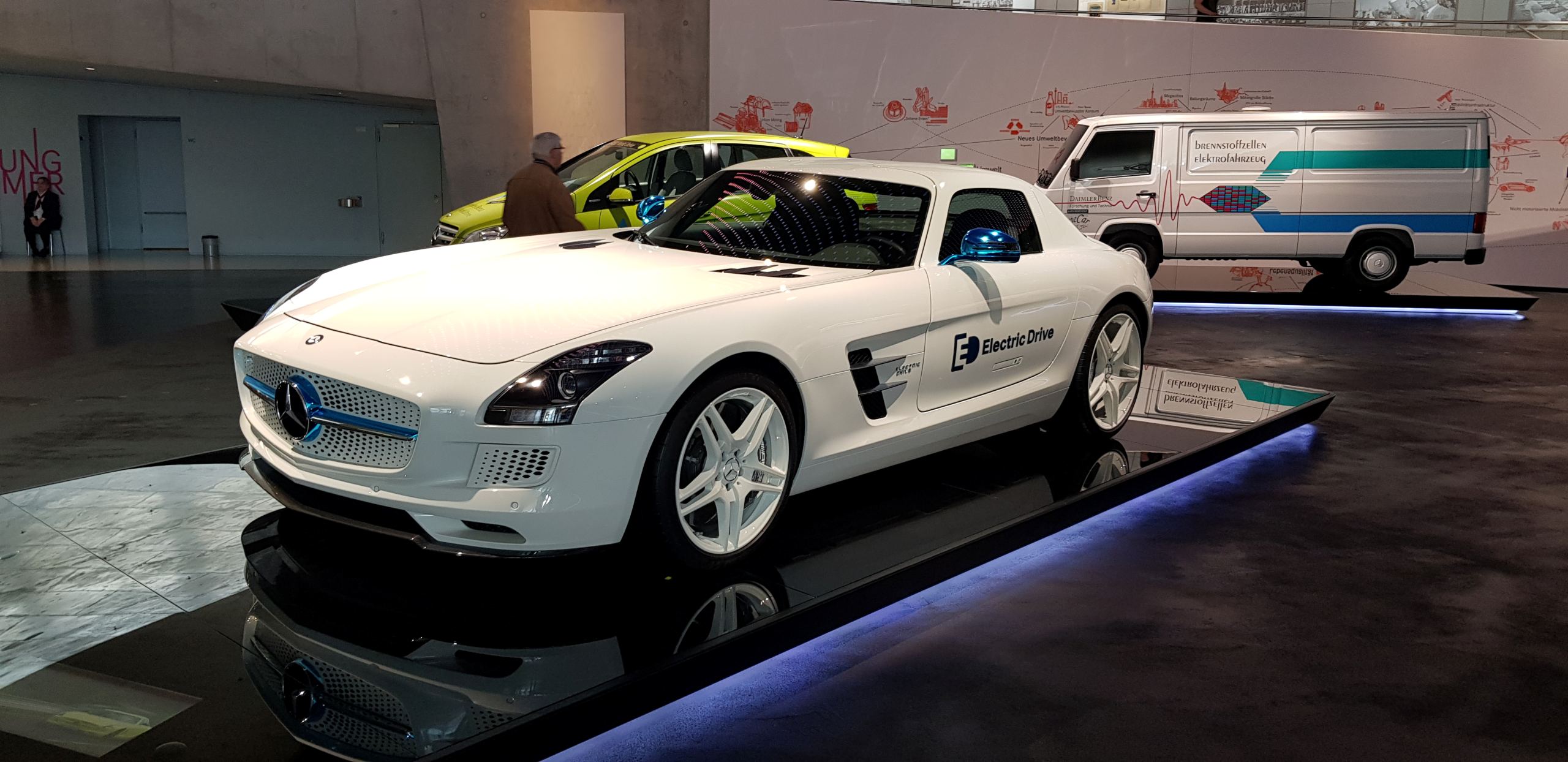
Legends 6 is all about alternative propulsion modes. Fuel cells, electric vehicles, they’re here, including the stunning looking SLS AMG electric supercar.
Last one, Legends 7. This is all about racing. From the legendary silver arrows to racing trucks, this place is brimming with Mercedes-Benz’s racing dominance. Right next to it is also the Formula 1 area with a fun tyre changing simulator, where you can test your skills.
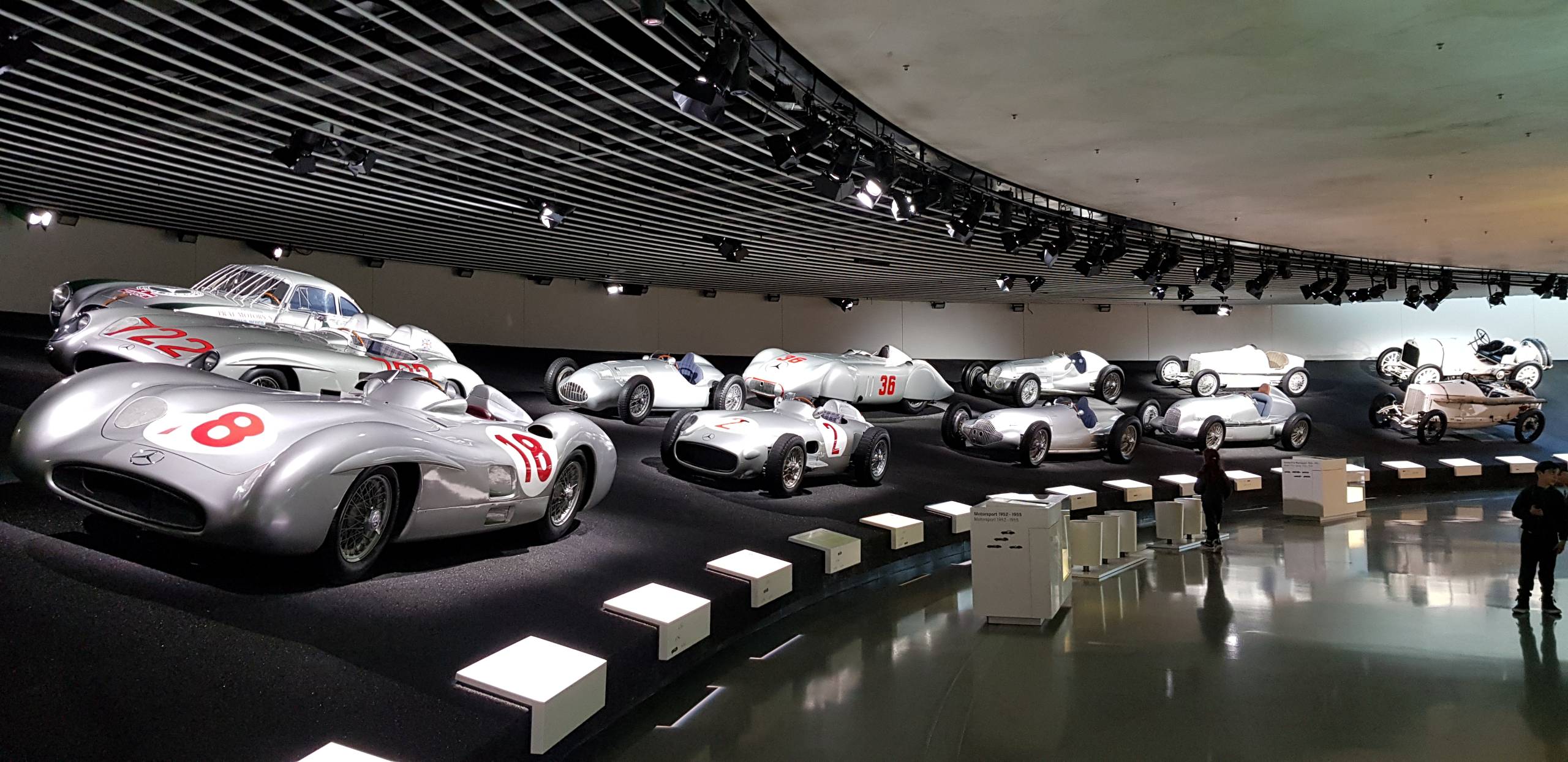
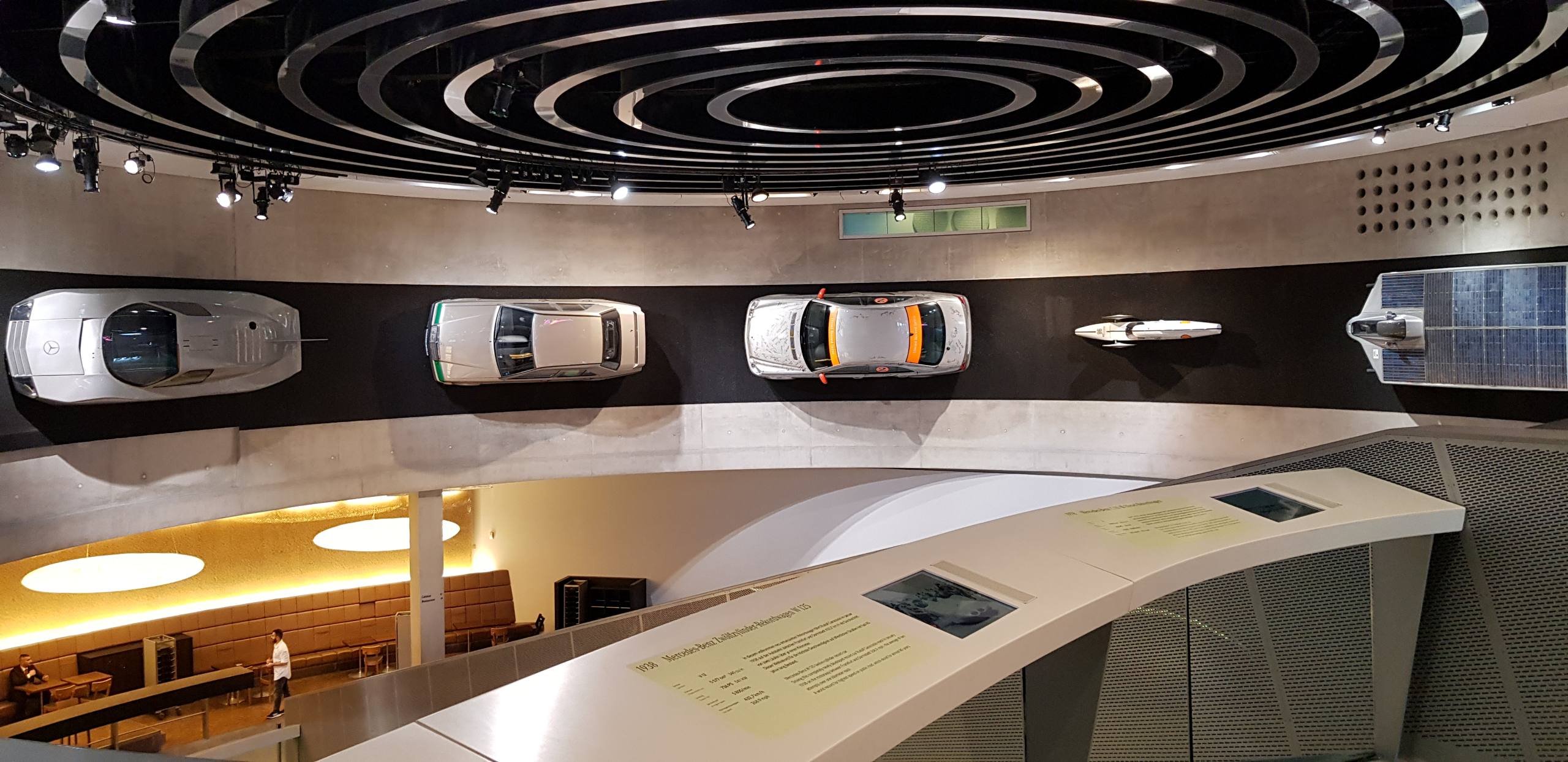
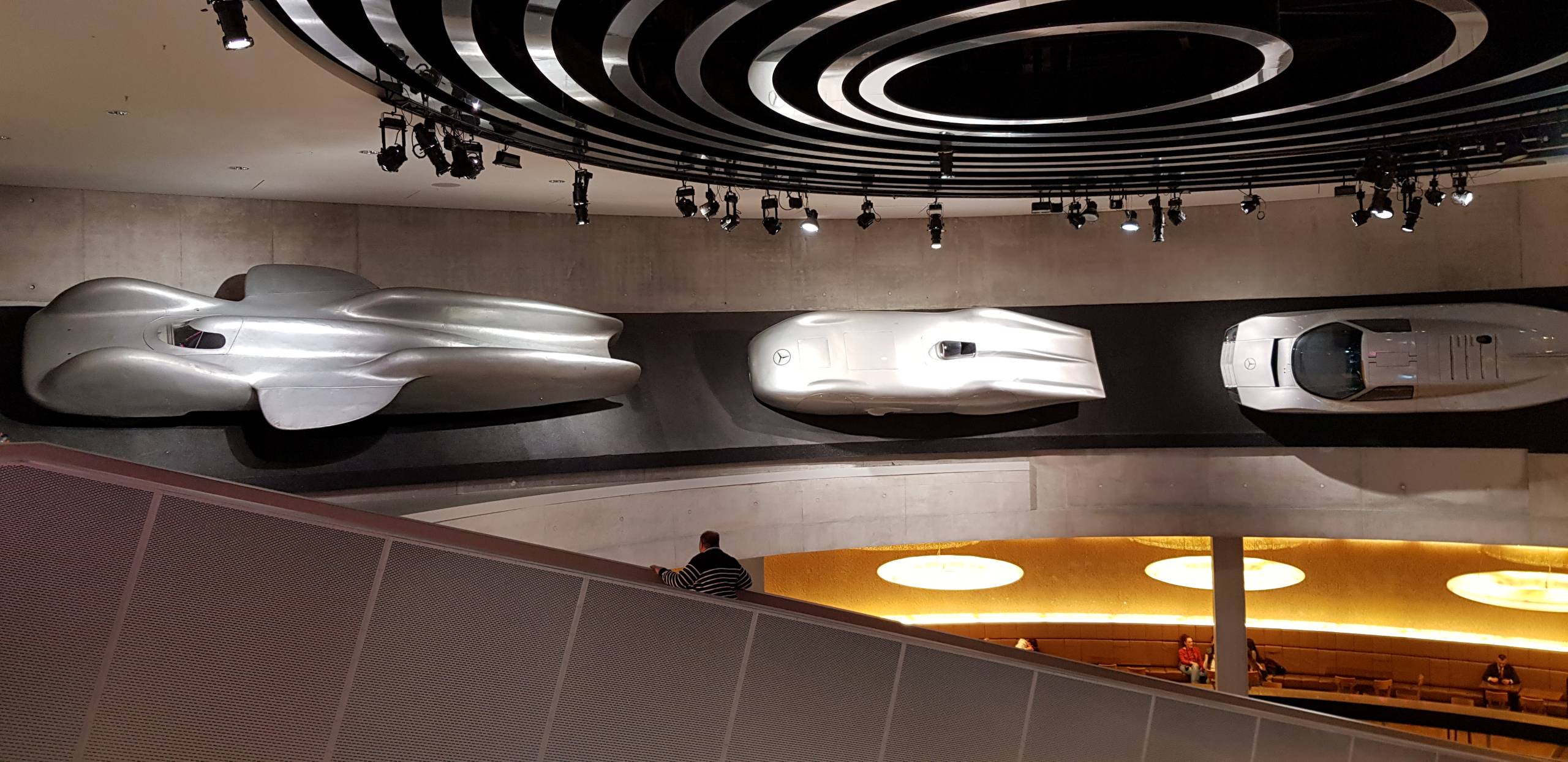
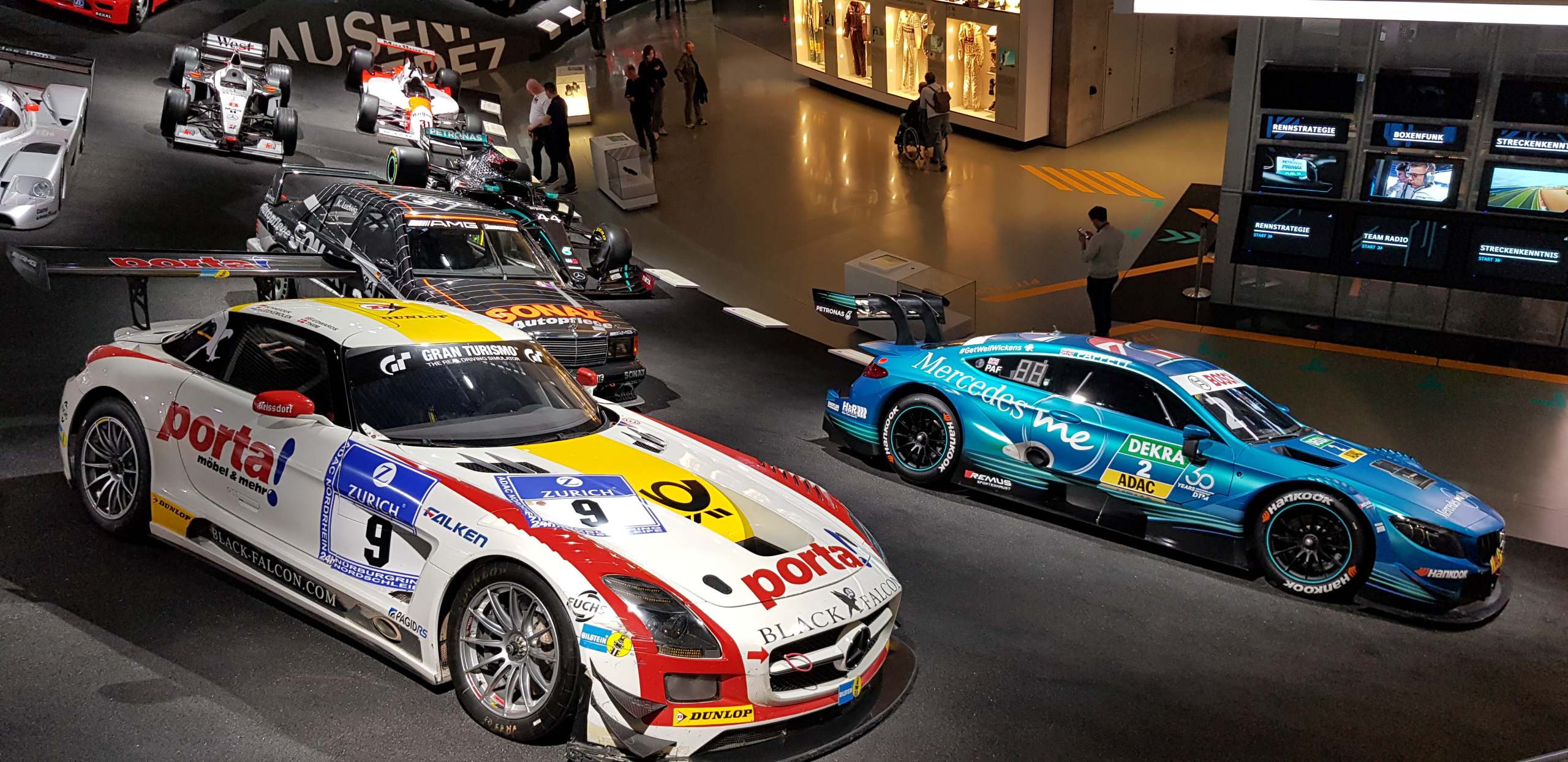
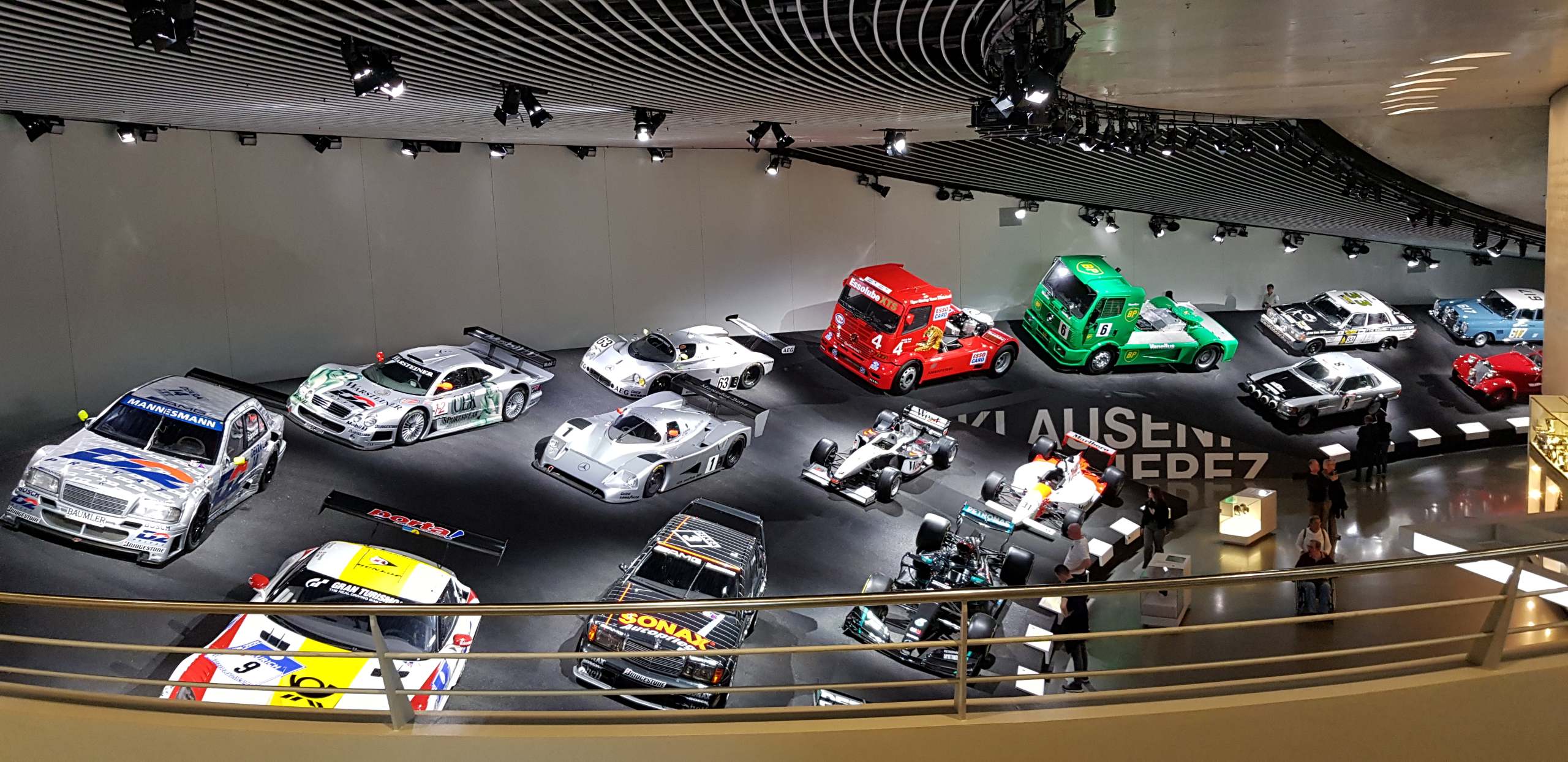
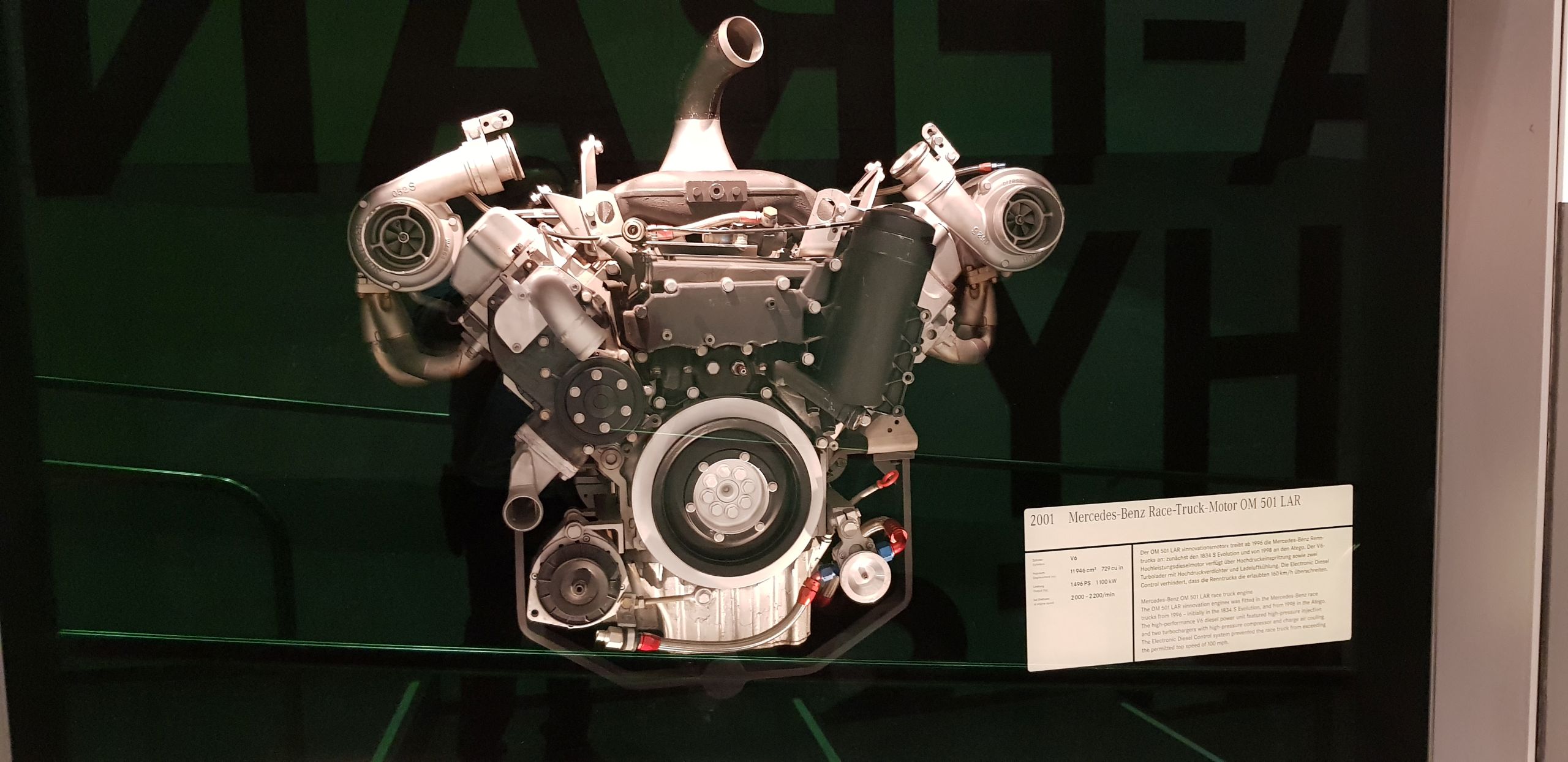
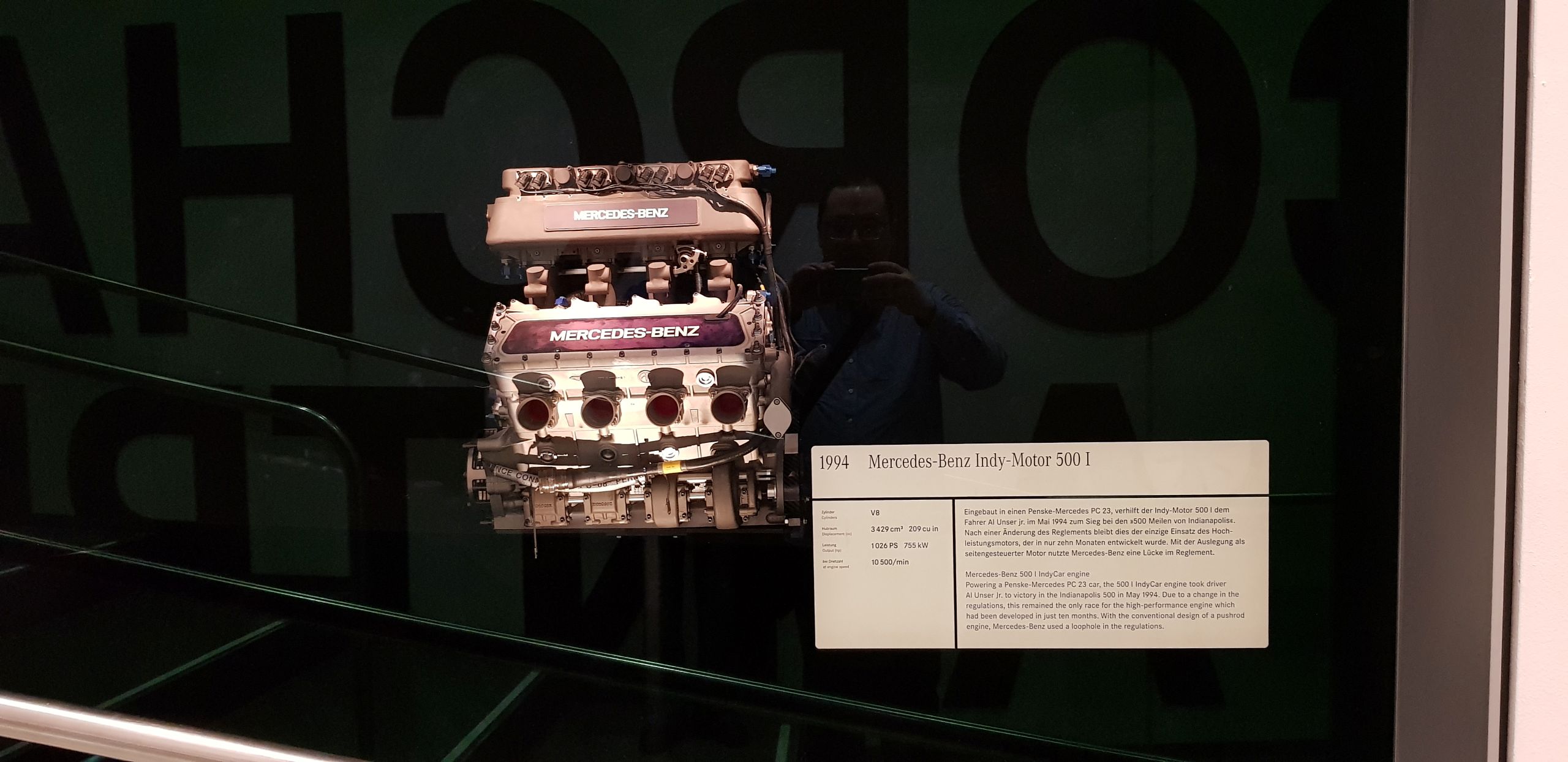
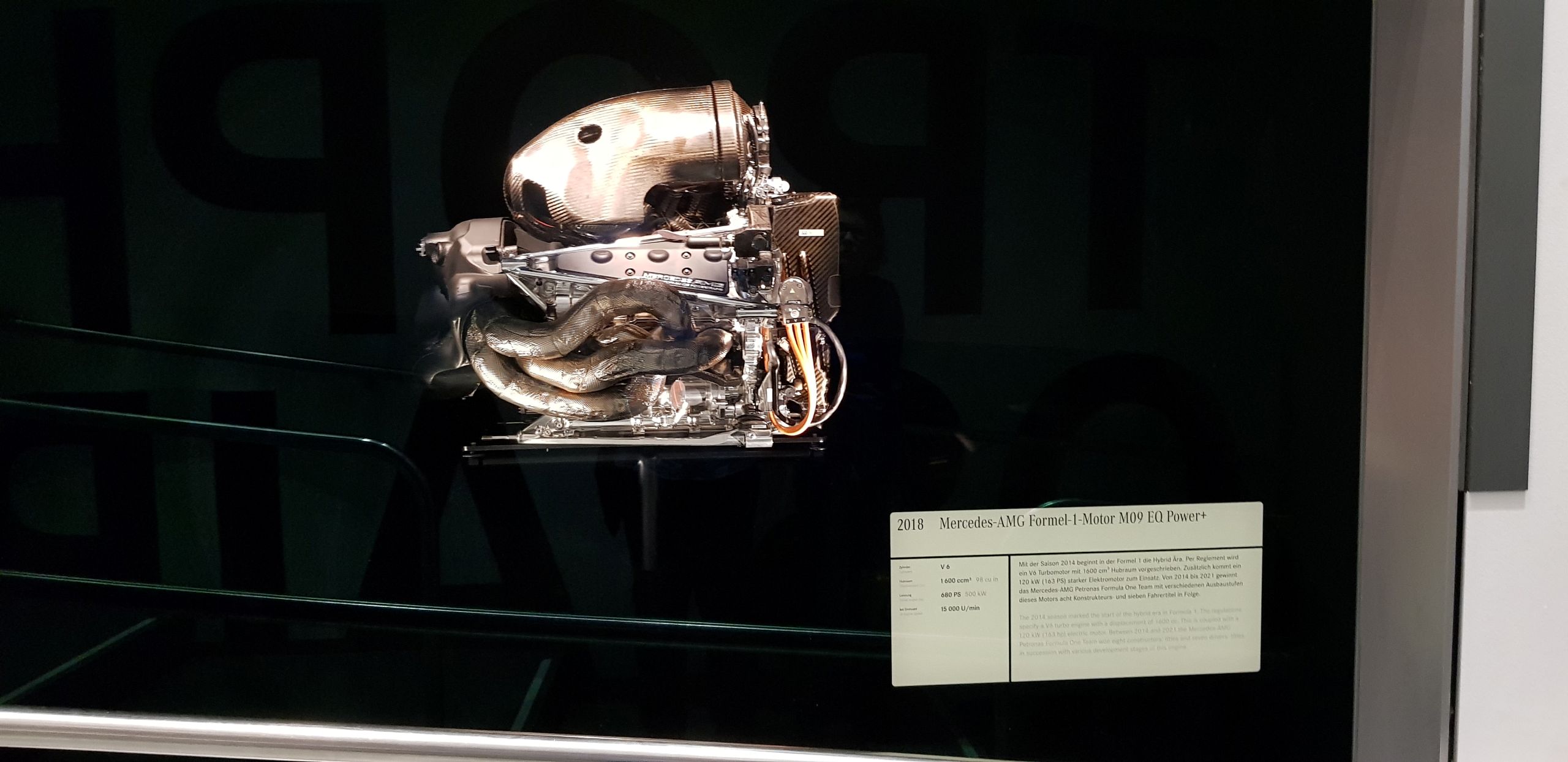
Finally, before heading out of the museum, you’ll find some concept cars and prototypes. I’ll give you some background information on them.
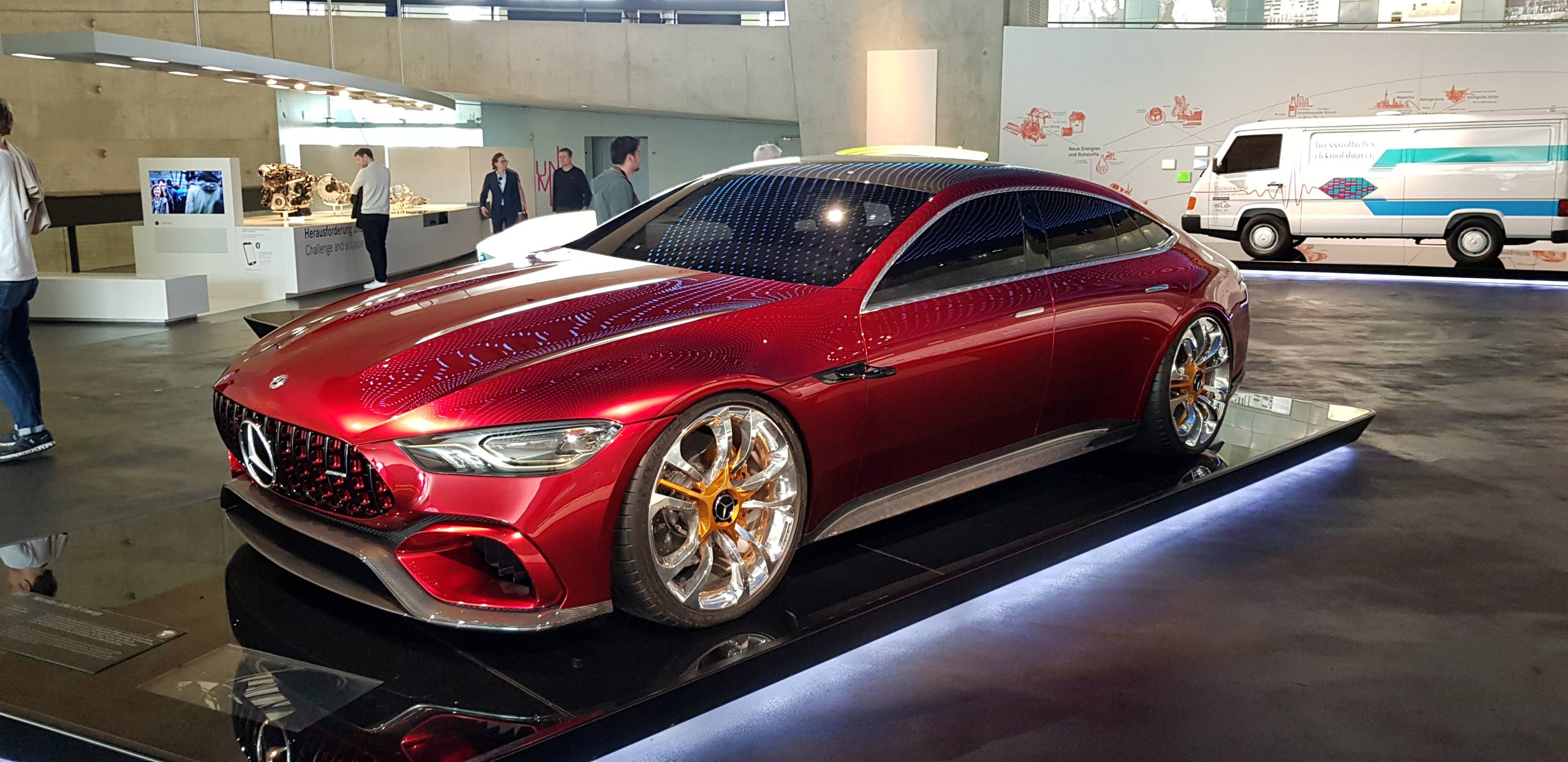
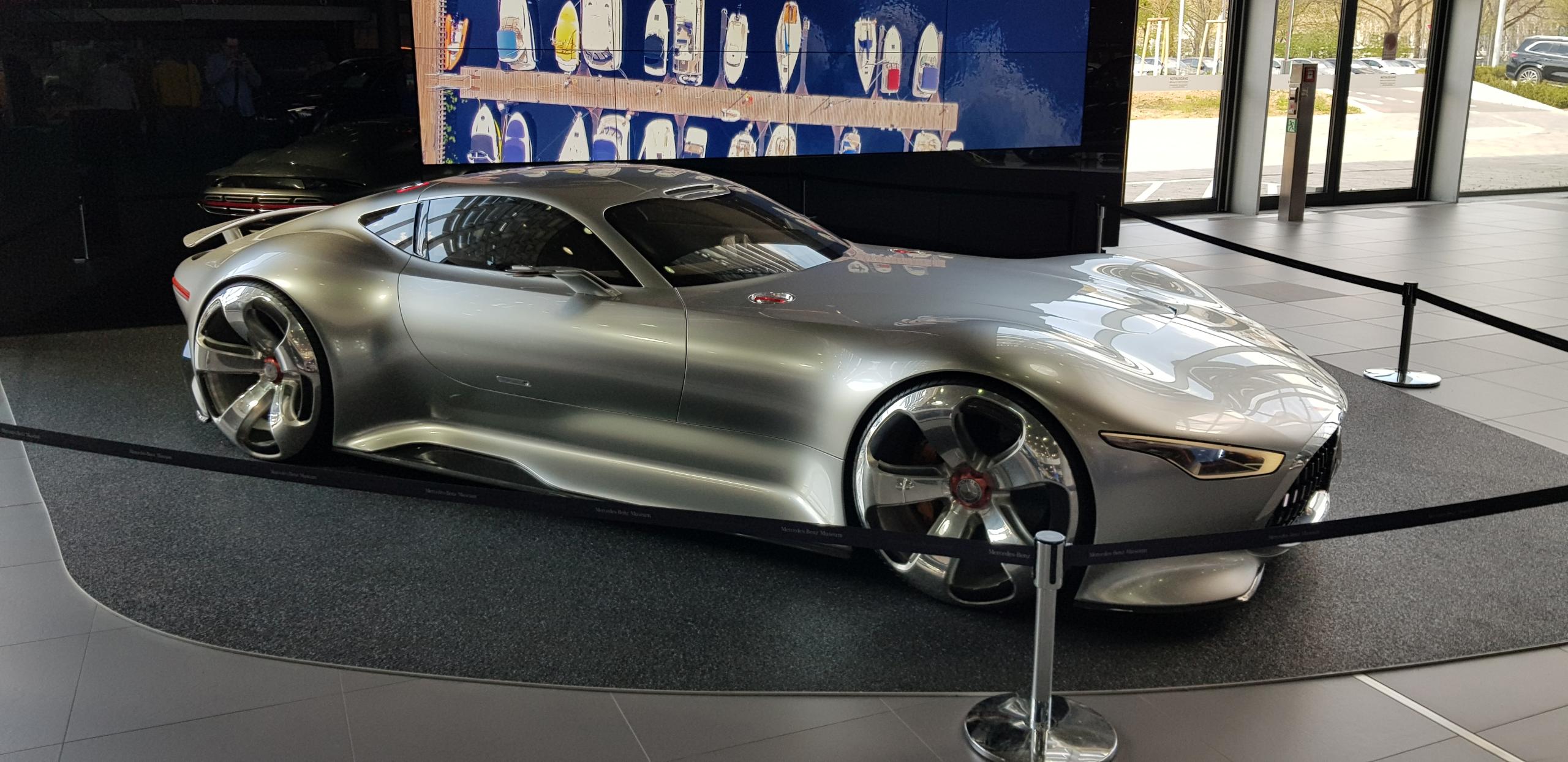
The Mercedes-Benz AMG Vision Gran Turismo
This gorgeous was created as the spectacular opening act of the Vision Gran Turismo project – a collaboration where automakers design exclusive concept cars for fans of the Gran Turismo video game series. Inspired by the image of a hunting predator, the design blends agility with elegance. Its sculpted aluminium spaceframe body, accented with flowing curves and a low, wide stance, pays tribute to classic Mercedes-Benz proportions and echoes the spirit of the legendary 300 SL Panamericana.
Under the bonnet, a 4.0-litre twin-turbocharged AMG V8 produces 430 kW (585 PS / 577 hp) and 800 Nm (590 lb-ft) of torque. Weighing just 1,385 kg (3,053 lb) thanks to extensive use of carbon fibre, the car boasts an outstanding power-to-weight ratio of 3.26 kg/kW (7.2 lb/hp). Power is delivered through an AMG SPEEDSHIFT DCT 7-speed dual-clutch transmission, enabling razor-sharp response and intense driving dynamics.
True to its motorsport DNA, the Vision Gran Turismo features double wishbone suspension front and rear, a ceramic high-performance braking system, and an electronic rear differential for optimal grip. The roar of the engine – specifically composed by AMG sound designers – ensures it sounds as dramatic as it looks, no matter the setting.
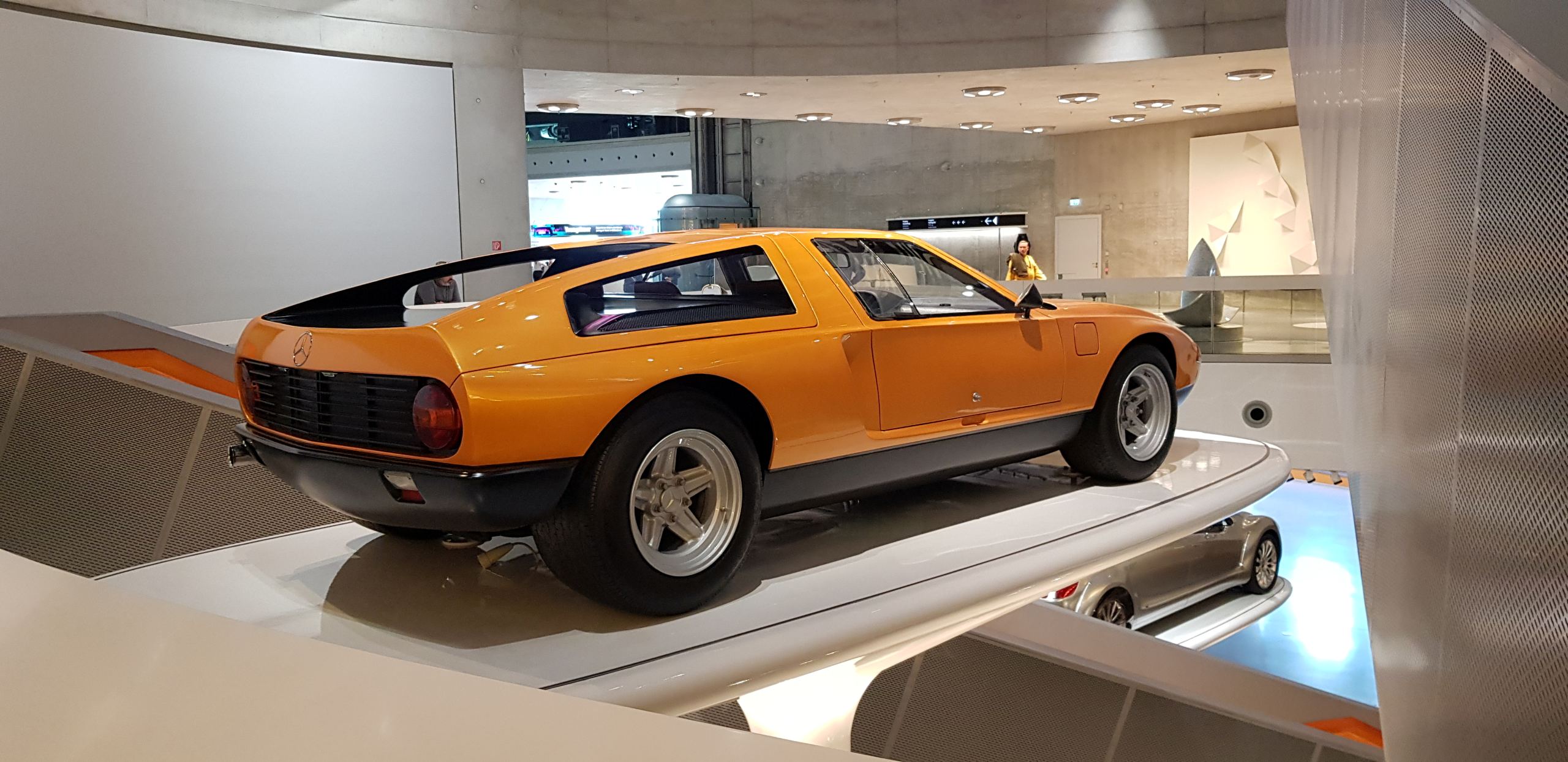
The Mercedes-Benz C 111
This car was nothing short of a rolling laboratory – a bold experiment in aerodynamics, lightweight construction, and alternative propulsion. Initially developed in the late 1960s, the second-generation C 111 unveiled in 1970 featured a wedge-shaped fibreglass body, dramatic gullwing doors, and a futuristic design that captured the imagination of enthusiasts and engineers alike.
At its heart was a 2.4-litre (2,419 cc) Wankel rotary engine with four rotors, producing 257 kW (350 PS / 345 hp). Power was sent to the rear wheels through a 5-speed manual gearbox, propelling the car to a top speed of 300 km/h (186 mph) and from 0–100 km/h (0–62 mph) in just 4.9 seconds. With a kerb weight of around 1,200 kg (2,646 lb), the C 111 showcased exceptional performance for its time.
Though it never saw series production, the C 111 became a legend – not only for its daring looks and technical innovation, but also for the high-speed diesel and turbocharged variants that followed. It remains one of Mercedes-Benz’s most iconic experimental vehicles and a symbol of engineering ambition without compromise.
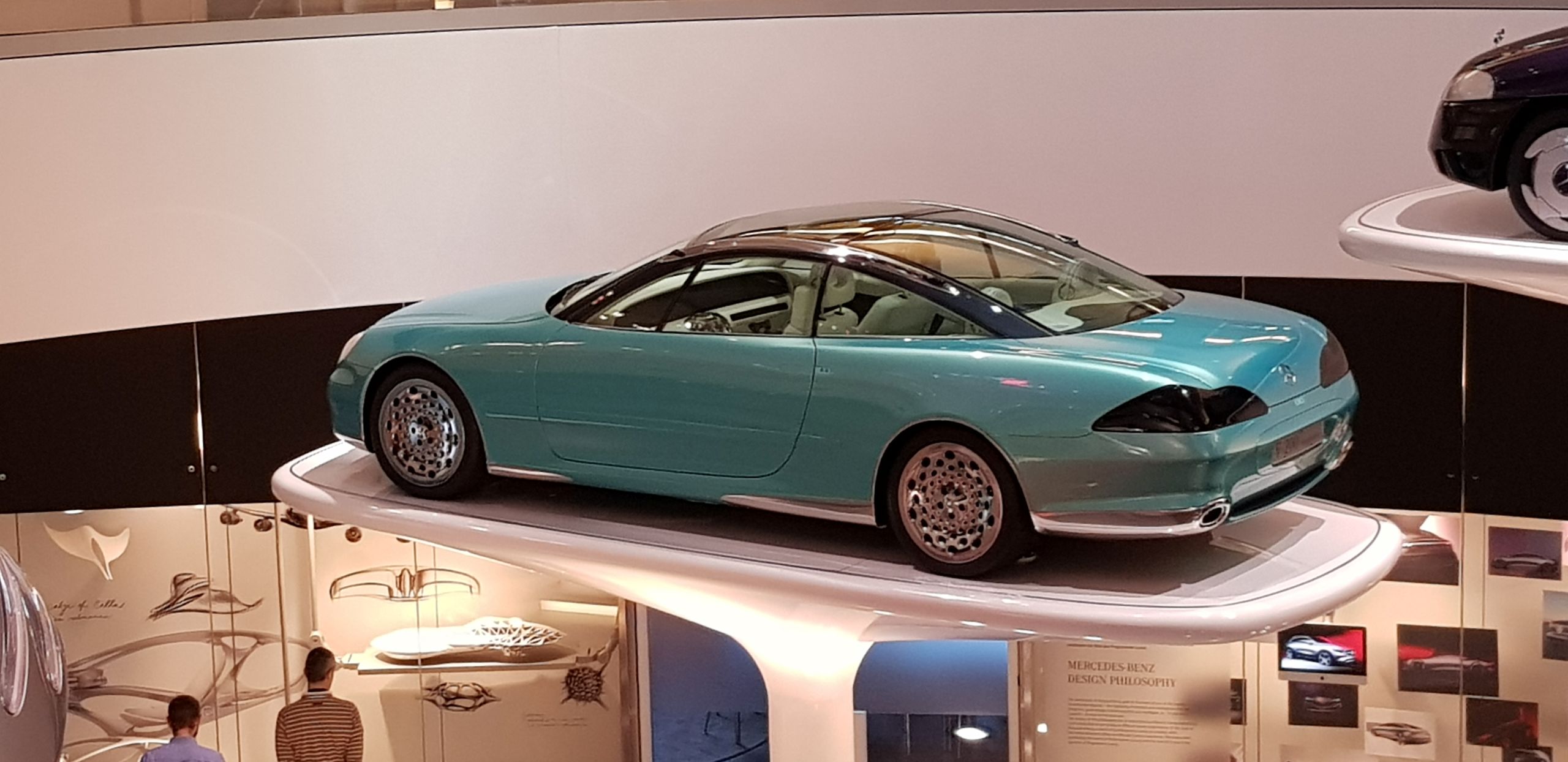
Mercedes-Benz F 200 Imagination
Unveiled at the 1996 Paris Motor Show, the F 200 Imagination was not built to race or reach production — it was designed to inspire. As a rolling showcase of forward-thinking design and technology, this visionary concept anticipated numerous features that would later shape the future of Mercedes-Benz vehicles.
Instead of a traditional steering wheel, the F 200 used sidesticks, demonstrating early drive-by-wire control — a technology more common in aviation than on the road. Its scissor doors previewed the dramatic entrance of the Mercedes-Benz SLR McLaren in 2003, while its electro-transparent glass roof paved the way for the Maybach 62’s panoramic experience in 2002.
Cameras replaced mirrors, anticipating today’s digital mirror systems. Safety was also a priority: the F 200 featured the world’s first window airbag, later introduced in the 1998 S-Class (W220). It also showcased early versions of Active Body Control for superior ride dynamics, realised in the CL-Class (C215) in 1999.
Lighting and infotainment innovations included a variable-beam headlight system, which became bi-xenon headlights with active curve illumination in the 2003 E-Class (W211), and voice-controlled phone integration, introduced as Linguatronic in the W140 S-Class. More than a concept — the F 200 Imagination was a glimpse into the future that Mercedes-Benz ultimately made reality.
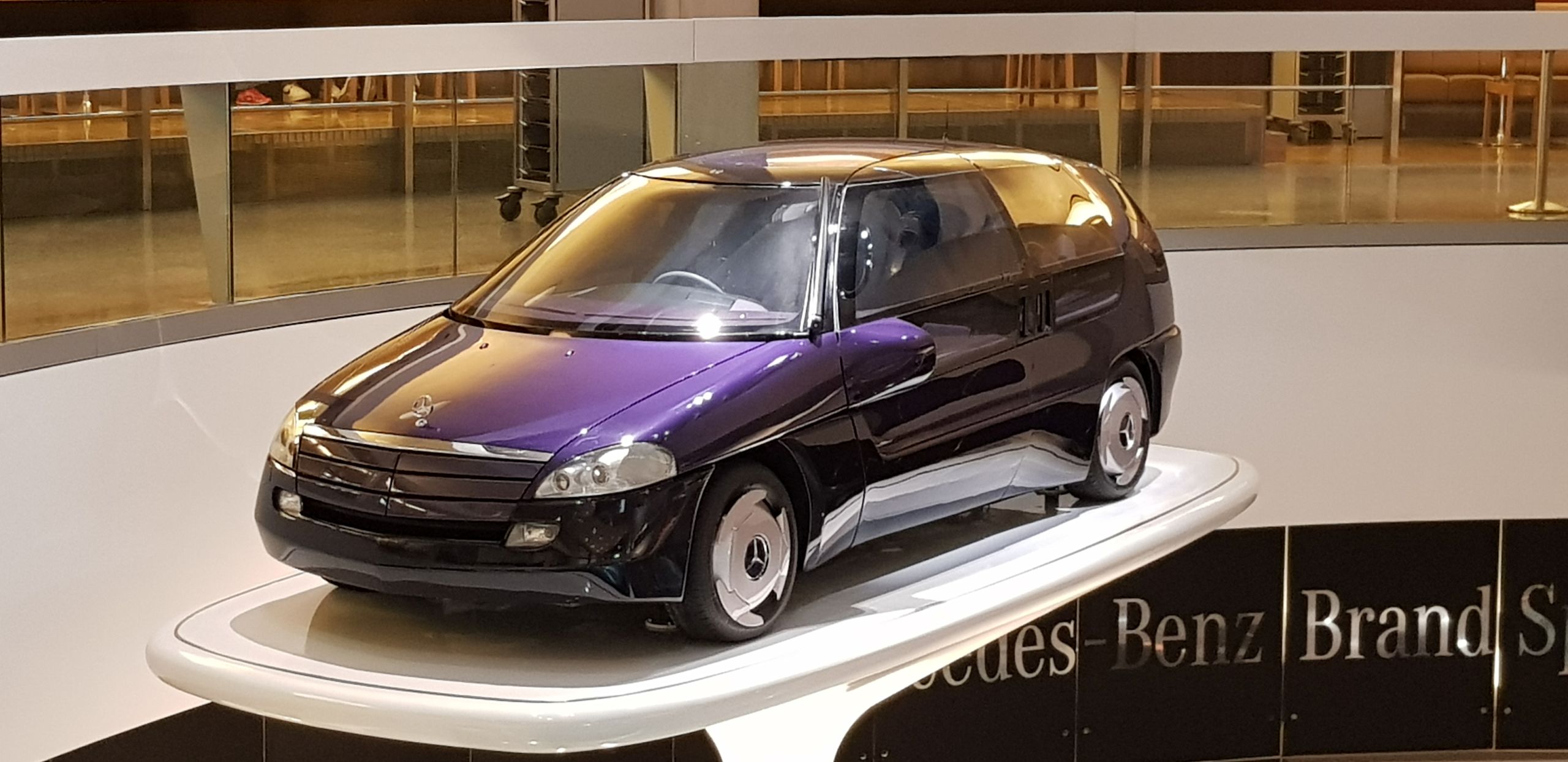
Mercedes-Benz F 100
Unveiled at the 1991 North American International Auto Show, the F 100 was far ahead of its time — a concept brimming with innovation that would quietly shape the next two decades of automotive engineering.
It previewed technologies that are now industry standards. An early form of autonomous cruise control foreshadowed Mercedes’ Distronic system in 1999. Active Blind Spot Assist and Lane Keeping Assist, introduced nearly two decades later in 2010, made their conceptual debut here.
The F 100’s solar cell roof, later seen in the Maybach 62 (2002), showcased a sustainable energy approach long before it was fashionable. It also featured Xenon low-beam headlights (1995), rain sensors (1995), and tyre-pressure monitoring (1999) — systems now commonly taken for granted.
Replacing the ignition key with a chip card was a glimpse of future convenience, realised in Keyless Go (1998). Voice recognition for onboard systems arrived just five years later in the 1996 S-Class. And its collision avoidance radar, paired with brake assist, evolved into Distronic Plus with BAS Plus in 2005. The F 100 wasn’t just a concept — it was a quiet revolution in safety, comfort and automation, most of which we now consider everyday essentials.
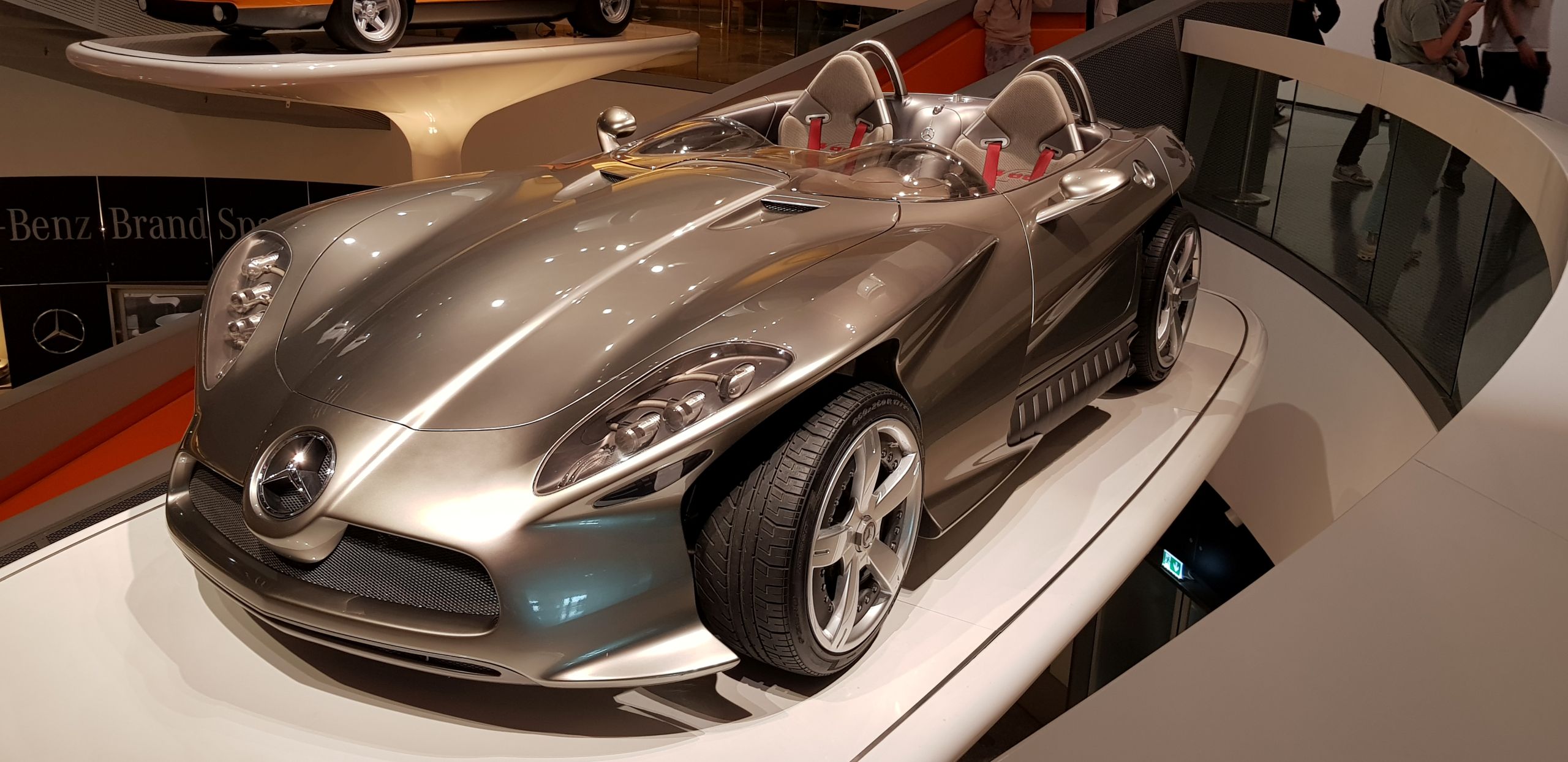
Mercedes-Benz F 400 Carving
Unveiled at the 2001 Tokyo Motor Show, the F 400 Carving was a radical research vehicle that reimagined handling, braking, and vehicle dynamics from the ground up. Its standout feature? The active cambering system: in corners, the outer wheels tilted up to 20 degrees, boosting cornering stability and reducing the risk of skidding. Sensors monitored speed, steering angle and yaw, triggering hydraulic actuators that adjusted wheel camber in real time. This tech increased lateral acceleration by up to 28 percent compared to conventional sports car suspensions.
During emergency braking, all four wheels could instantly tilt inwards. This exposed a high-friction tyre surface, shortening stopping distance from 100 km/h by over five metres. Unique wheels—with 17-inch inner and 19-inch outer diameters—ensured ideal contact patches whether going straight or cornering.
The F 400 also explored Drive-by-Wire systems. Steering and braking were fully electronic — no mechanical linkages involved. Brake-by-Wire used carbon-fibre-reinforced ceramic discs that withstood up to 1,600°C. A 42-volt electrical architecture powered the advanced electronics.
Its body was made from lightweight carbon-fibre-reinforced plastic (CFRP) and weighed just over 100 kg. The spaceframe chassis combined steel, aluminium, and CFRP for rigidity and strength. And for an added touch of drama: gullwing doors made a return.
Mercedes-Benz F 700
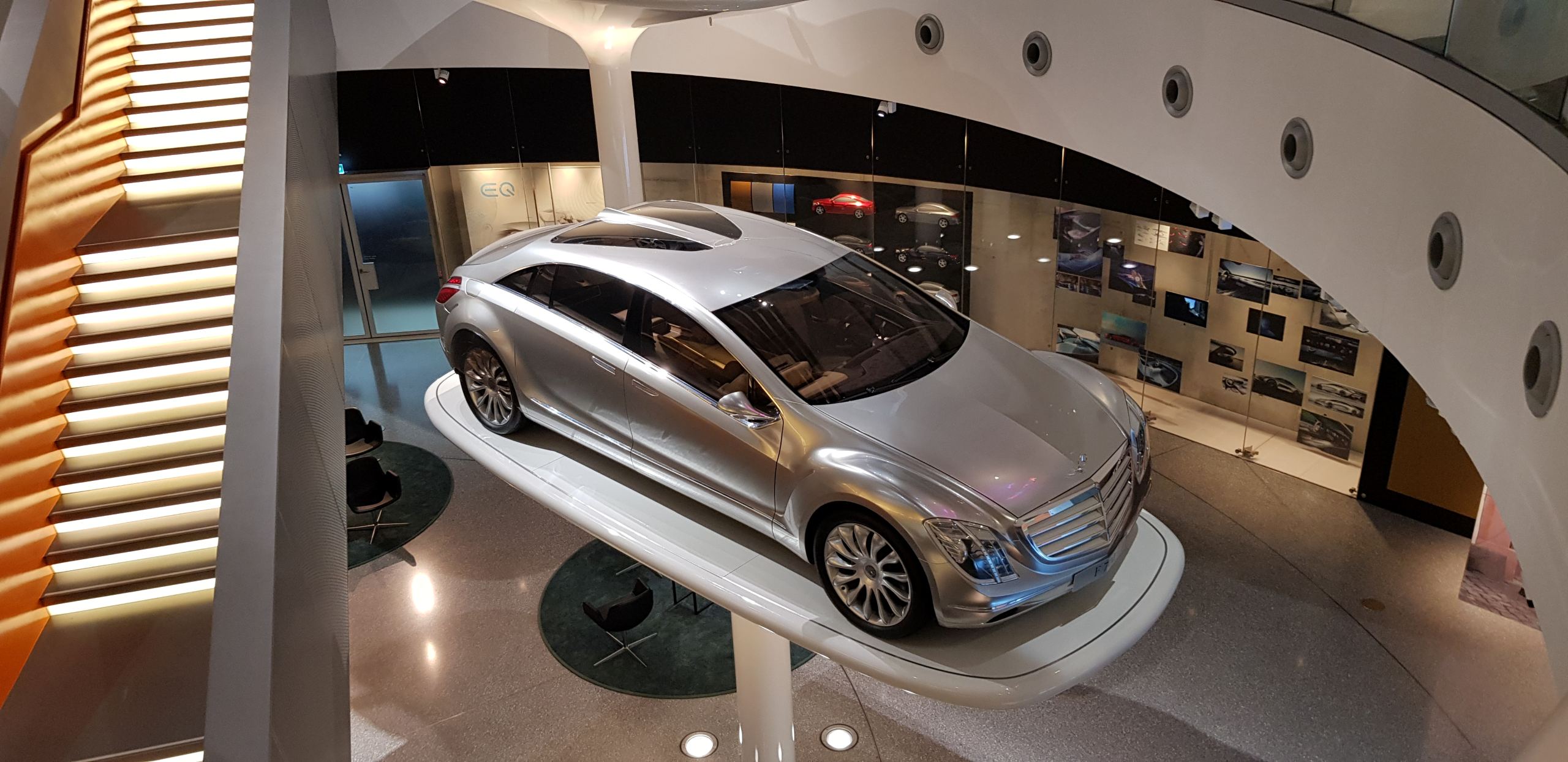
Revealed at the 2007 Frankfurt Motor Show, the F 700 combined forward-thinking luxury with groundbreaking efficiency and comfort innovations. Despite its size and 1.7-tonne weight, the luxury saloon achieved a fuel consumption of just 5.3 litres per 100 km and CO₂ emissions of 127 g/km — thanks to its revolutionary DiesOtto engine. This 1.8-litre four-cylinder combined the best traits of petrol and diesel engines: direct injection, dual turbocharging, variable compression, and most notably homogeneous charge compression ignition (HCCI) — a form of spontaneous combustion at low to mid loads. At higher loads, spark ignition took over. Power output was 175 kW (238 PS) with 400 Nm of torque, and an additional 15 kW electric motor supported acceleration, ideal for city driving.
Another world first was Pre-Scan: lidar laser scanners in the headlights detected upcoming road irregularities, allowing the Active Body Control suspension to proactively adjust — a preview of Magic Body Control, introduced in 2013 on the S-Class (W222).
The F 700 also introduced Servo-HMI, a new human-machine interface operated via the COMAND dial or voice command. The system responded through a virtual assistant displayed on screen — an early step towards conversational interaction between driver and vehicle. With a 3.45-metre wheelbase — 28.5 cm longer than a standard S-Class — the F 700’s interior was designed for ultimate passenger comfort. Features included a reclining lounge seat, cork accents for a calming atmosphere, panoramic roof panels, a 51 cm monitor, and a surround sound system.
Design-wise, the F 700 stood out with fluid, elegant lines, flared wheel arches, and a modern interpretation of the four-eyed face with integrated LEDs. Although it never went into production, many of the F 700’s innovations made their way into future Mercedes-Benz models — making it a true pioneer of efficient luxury.
Conclusion
Whether you’re a die-hard car enthusiast or simply curious about how premium vehicles are made, visiting both the Mercedes-Benz production plant in Sindelfingen and the museum in Stuttgart offers an unforgettable experience. Seeing the precision and innovation behind the manufacturing process, followed by the rich history and iconic models displayed in the museum, gives you a unique, full-circle perspective of the brand with the three-pointed star. It’s a journey through cutting-edge technology and timeless automotive heritage – and one that’s absolutely worth taking.
If you wish to see more of the images of other cars on dsiplay that I have not photographed, visit the museum’s website. And also, check out my article on the Porsche factory and museum in Zuffenhausen, that happened on the next day. See you there!