
Best Car For New Drivers: My Personal Car Buying Experience and Tips
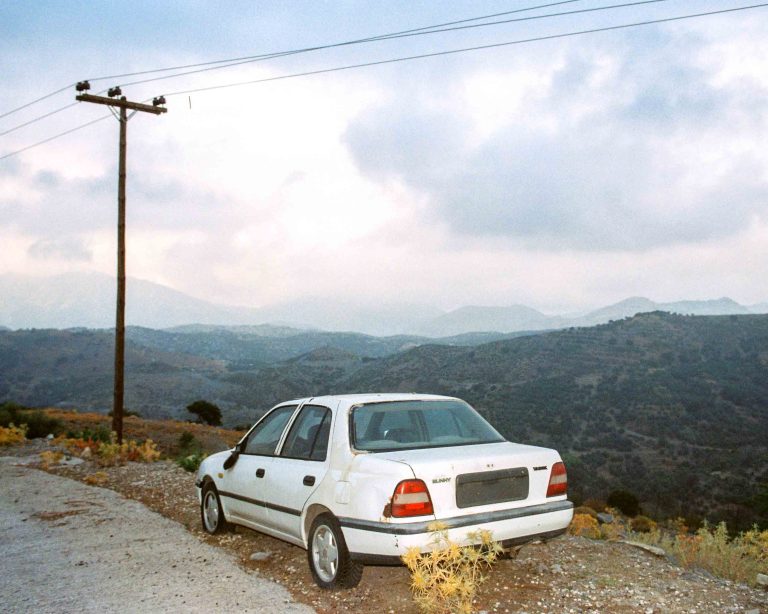
So you’ve finally decided to purchase your first vehicle? That’s great! In this blog post I will share with all of you my personal experience in buying my very first (and current) vehicle. Let’s get straight into it, shall we?
The Budget
Everyone of you certainly knows best how much he or she is able and willing to splash out on their first automobile. However, I think it’s fair to assume that many of you probably don’t have very high sums of money at your disposal.
I know I didn’t have that.
The money I had for a vehicle was around the 6.000 Euro mark. (Just FYI, I live in Germany). That’s 6.500 Dollars, ballpark. Generally speaking, I wouldn’t spend too much of your hard earned cash on a car. I know “too much” is pretty relative, but in my opinion, this shouldn’t be more than 10 grand as an absolute limit. Let’s be honest here for a second:
You will make mistakes when learning how to drive without the ever present supervision of your driving instructor or your parents. And you know what, that’s perfectly fine. A little scratch in the paint or ding in the bodywork won’t mean the end of the world, when you don’t drive an expensive vehicle.
New or Used Car?
If, for some strange reason, you’ll manage to purchase a brand new vehicle for the approximate amount of money that I’ve given you in the previous section, then go for it. There is nothing wrong in getting a new car to learn how to drive, if the funds make it possible.
But, to be perfectly frank, I don’t think it’s going to be the case. With a very high statistical probability, your first vehicle (within the specified budget) is going to be a used car. And that’s what I personally would recommend you to get. Like I’ve said, it’s not going to upset you as much when you accidentally damage the vehicle.
Another advantage of going for a used automobile is that you can get more for your money when it comes to features that would cost you more when choosing a brand new vehicle.
And also: The car’s already there. No need to wait until it’s built.
Don't Skip On Researching The Car Brand & Models
There are many different car brands and models out there that it could make your head spin. Maybe not literally, but at least figuratively.
If you’re like me and spend your days away at looking at different cars, learning about them and researching them, then you probably know what’s best for you. However, if you’re not that type of person, then I’ll try to help you by narrowing down the brands that have a more or less decent reputation when it comes to reliability.
This is not going to be a deep dive into each and every car abrand and model out there. That alone would probably take up days if not months to research and publish.
If you want some statistical data on vehicle reliability, check out Consumer Reports or J.D. Power, for example. Also ask your family and friends what theywould recommend when purchasing a vehicle.
Another very good source could be watching Youtube videos from Scotty Kilmer, an experienced mechanic based in the US. He teaches you to do basic maintenance on your vehicle and also gives advice on what car to get.
Generally speaking, you can be pretty confident with Asian car brands from Japan and South Korea. Especially brands like Toyota, Honda and Mazda can be decent picks reliability-wise. Obviously even those brands can have some problematic models here and there, but overall, they’re pretty good. I’ve owned a Mazda myself for 1.5 years and had no problems with it whatsoever.
Fuel & Maintenance Costs
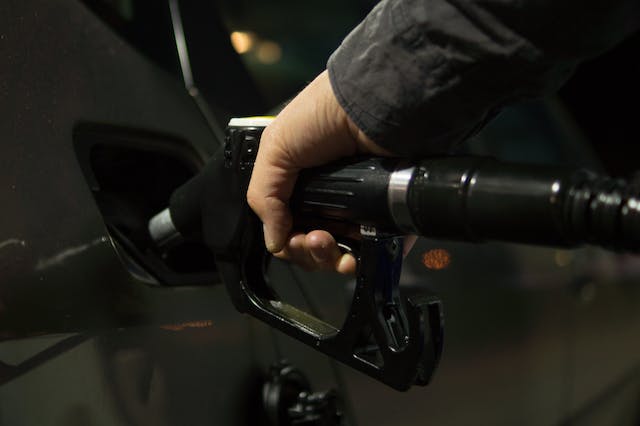
Depending on where you live in the world, fueling costs can be pretty expensive. As a rule of thumb, I’d recommend you to keep those as low as possible (Duh!). More fuel mileage, more fun.
Speaking of which, what should you get? Here, I’ll exclude hybrids and EVs, since you probably won’t find anything in good shape or with decent driving range given the above mentioned price bracket. So we’ll stick to good old petrols and diesels. Basically: If you drive a lot (let’s say at least 15.000 kms per year), you have a large and heavy vehicle or you plan to tow trailers, get a diesel. Otherwise, petrol will suit you in most other situations.
Don’t forget about maintenance. Official dealers will generally cost you more than independent mechanics. Also do some research on what replacement parts on a vehicle would cost. Remember: You start out learning how to drive and get better at it. The simpler the vehicle is, the less repairs will cost.
The last thing I want to talk about are insurance costs. Those depend vastly on the country you live in, the car you choose and many other factors. If possible, get quotes from several insurance providers or use car insurance calculators to get an estimate on your future payments.
Safety Features
Here, I’m simply going to make a short list of things that your next car (ideally) should have.
- ABS – Will allow you to hit the brakes and still steer in the needed direction
- ESP – Will help you prevent drifting away
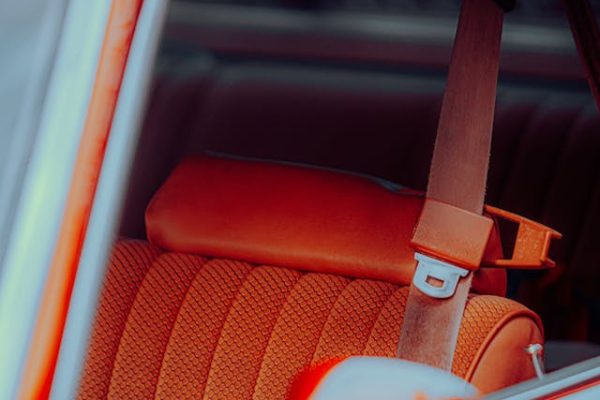
- Seat belts
- Airbags – If those work, the airbag light will come on and go out once you start a vehicle. If it doesn’t do that, there could be a problem
There are many more safety related gimmicks out there, especially on modern cars. However, due to budget restrictions, there may not be that many on your next vehicle.
One of the most important safety features out there are still your own two eyes. Makes sure you don’t drive tired.
Test Driving & Price Negotiation
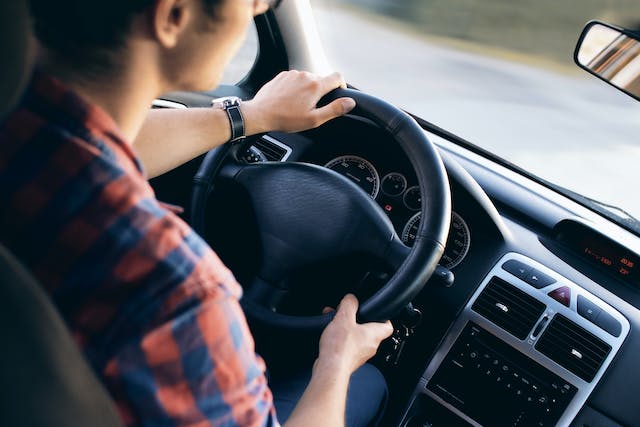
Before you actually spend any money, make sure that the seller lets you having a test drive. If he or she doesn’t – no deal! You don’t want to buy a pig in a poke. There are always other offers available on the used car market.
When you’re test driving the vehicle:
- Make sure the car doesn’t do any weird noises or smells coming from the engine, i.e. rattles, squeaks etc.
- When you’re driving, find a relatively traffic free, straight piece of road and let go of the steering wheel for a brief moment. Check if the car drags to the left or to the right. Normally, it shouldn’t
- Slam on the brakes to see if the car stops properly. Do this only when there’s no one behind you
- Take a look at the lights on the dashboard like check engine light etc. In operating mode, those shouldn’t be working (aside from stuff like headlights, blinkers or high beams)
Don’t forget to examine any rust spots or other visual damages on the automobile. Since they’ll be very handy when it comes to negotiation of the price. And finally, make sure that all the papers and documents related to the vehicle are there. It’s not the end of the world if some paperwork is missing, however, you want to know the car’s history the best you can.
If possible, take the car to a mechanic and let him or her take an expert look at the car and run the diagnostics to have the ultimate peace of mind when purchasing your next car.
When you’re finally ready to take the plunge, use all the weak spots you can find about the car to haggle down the price. Factors like scratches, dings, rust, rattles, squeaks etc. are helpful arguments to pay less. Stay calm and persistent, yet polite. Make sure you have a written contract of purchase and read carefully the term and conditions of it. Never sign something that you don’t fully understand! Ask the seller to explain you certain clauses and terms if necessary.
After The Purchase
Now that the car is yours, all you have to do is keep it running. Get acquainted with the car’s owner’s manual and read about the servicing intervals. I’d recommend that you don’t skip on those, no matter if your car has a warranty or not. Clever engineers have figured it all out for you a long time ago, so don’t pretend you know better than them. Some car guys do, but don’t be one of those.
For that, find a good mechanic. I know it’s easier said than done, but you probably have some relatives or friends with cars. Ask them about their opinion. If not, you have to bite the bullet and go through a couple, but you’ll get there.
Also get an account in an online forum regarding the brand. If it’s a Mazda, get into a Mazda forum. There are plenty of people in these virtual places who are glad to help
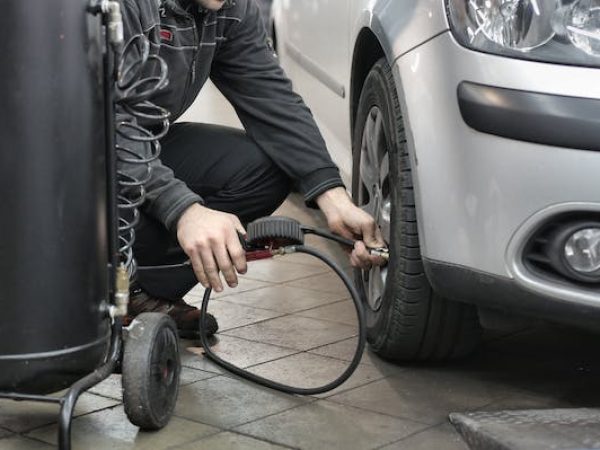
And my final tip would be learning the basics of car maintenance that you can do by yourself. For example, you don’t need a mechanic to pump up your tyres. That can be done with the help of very handy electric air compressors or even the good old hand pump. I’ll link some of my personal favourites later on.
And with that being said, I think nothing should prevent you from putting some miles (or kilometres) on your first car.
Summary
Here’s a checklist of the things that we discussed in this blog post:
- Car shouldn’t cost a lot, ideally not more than 10.000 dollars or euros
- Get a used one
- Do your research on reliability of a specific brand and model
- Get a car that doesn’t guzzle fuel and is affordable to maintain
- Make sure it has at least some basic safety features
- Test drive. No test drive, no purchase
- Learn your vehicle, do some basic maintenance yourself and keep it running with good servicing
Now you should be good to go. Happy motoring!
Liked this blog post? Leave a comment below.