
Classic American Car Show in Germany: Should You Go There?
Step back in time and immerse yourself in the charm of a classic American car show, where the golden age of automobiles comes roaring back to life.
Let’s be honest here for a moment: There’s something special about a classic car exhibition that captures the imagination of both the young and the old. Whether it’s the sleek lines of a 1950s land yacht or the roaring engines of vintage American hot rods, these shows are more than just events—they’re a celebration of an era when cars were more than mere transportation. This classic car show is no different: It’s a journey through history and culture that made the American automobile industry legendary.
What Do You Need To Do Before Visiting a Vintage Car Show?
Attending a classic American car show for the first time can be an exhilarating experience, but it can also be overwhelming if you’re not prepared. Start by checking the event schedule to know what time the vintage auto show begins and what specific attractions are offered. A couple of really valuable and important tip you should be aware of:
- Comfortable footwear is a must, as you’ll likely spend a lot of walking around the exhibits.
- The show takes place in a small village on the outskirts of Berlin, where public transit is almost unavailable. So either having your own car to go there or at least taking a taxi are the options.
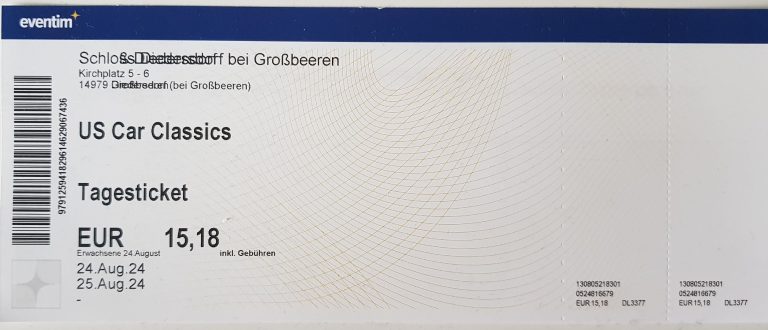
In this specific case, the show takes place on August 24th and 25th each year, you can visit the following website to buy tickets:
https://www.eventim-light.com/de/a/5c0e679442a8440001e0f082/e/6387532658ff7a68af349715?lang=de
This is what the ticket looks like:
Classic Car Exhibits: Experience the Atmosphere of a Bygone Era
The story of the vintage American car show begins with the birth of the automobile industry in the early 20th century. Pioneers like Henry Ford revolutionized the way people thought about travel, making cars accessible to the masses. Each decade brought forth iconic models that defined American culture—from the stylish and powerful land yachts of the 1950s, the powerful muscle cars of the 60s to the luxury (yet underpowered) cruisers of the 1970s.
At this classic motor show, visitors were treated to an impressive lineup of vehicles that spanned several decades. The show featured everything from pristine classic American hot rods to rare, one-of-a-kind models that you’d be hard-pressed to find anywhere else. A particular highlight was the muscle car show segment, where the rumble of engines and the gleam of polished chrome left spectators in awe.
In the following, I will go through the brands and the models present there. Click on the images below to see them in full size.
Buick: The Cornerstone of American Luxury
Buick has long been synonymous with American luxury and innovation. Having built their first vehicle all the way back in 1899, it became one of the first brands to introduce advanced engineering concepts and stylish designs. Known for its smooth rides and refined interiors, Buick epitomizes mid-20th century elegance and performance.
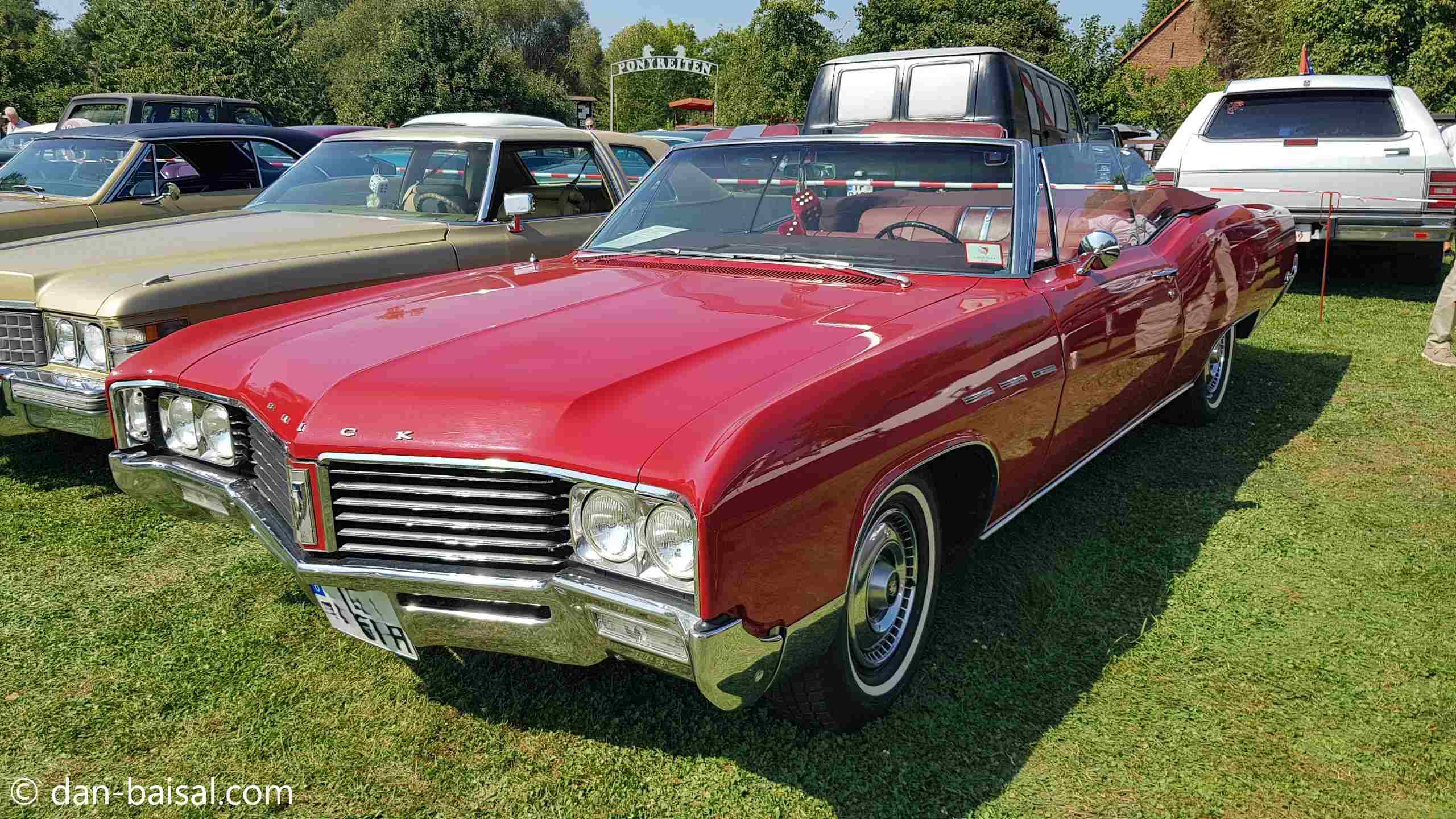
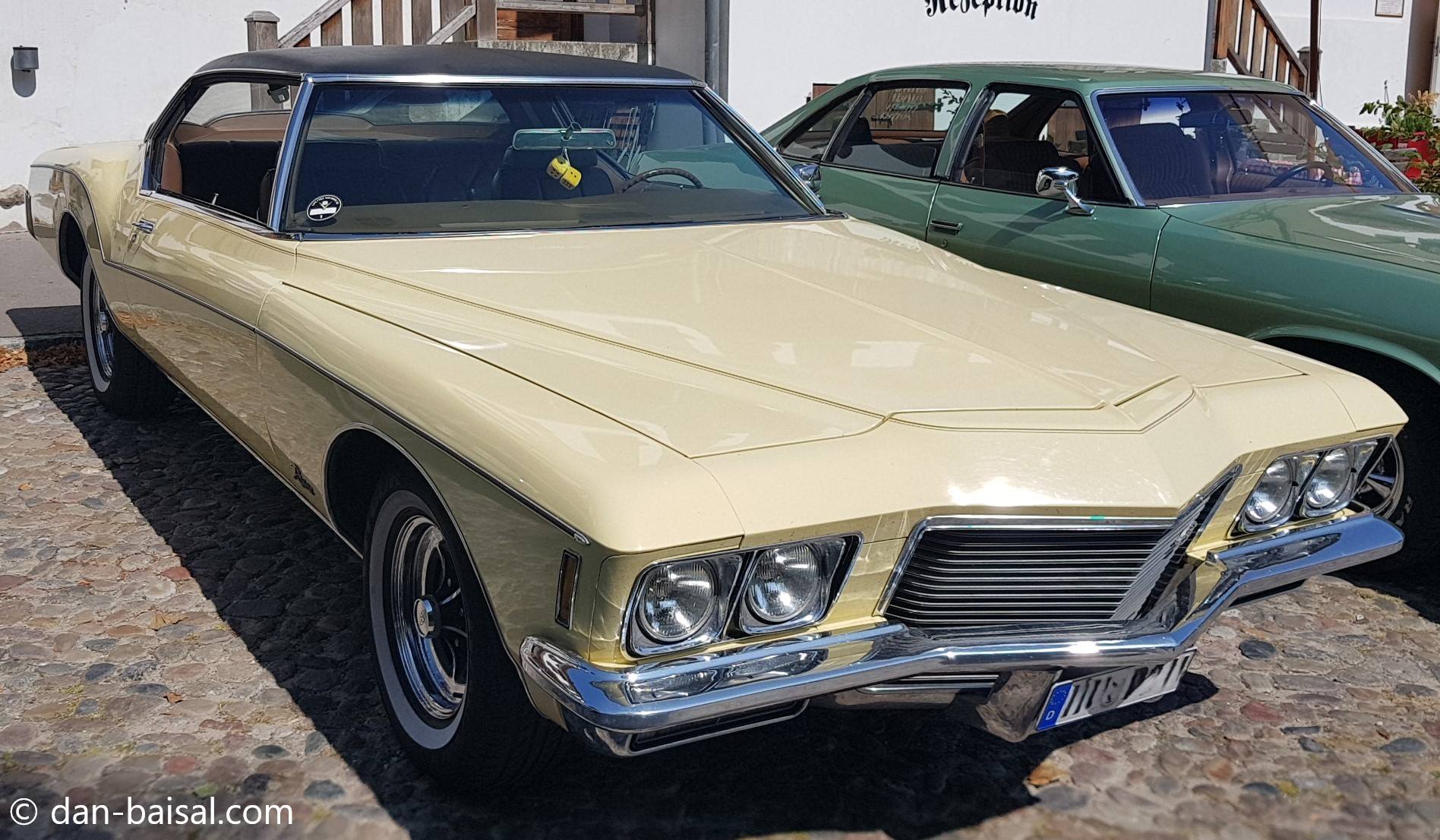
At the show, Buick’s presence was marked by its classic luxury coupes and convertibles that showcase the brand’s commitment to comfort and innovation. The highlights of the cars I found were the 1967 Buick Wildcat Convertible and the 1971 Riviera Boattail.
Cadillac: The Pinnacle of Prestige
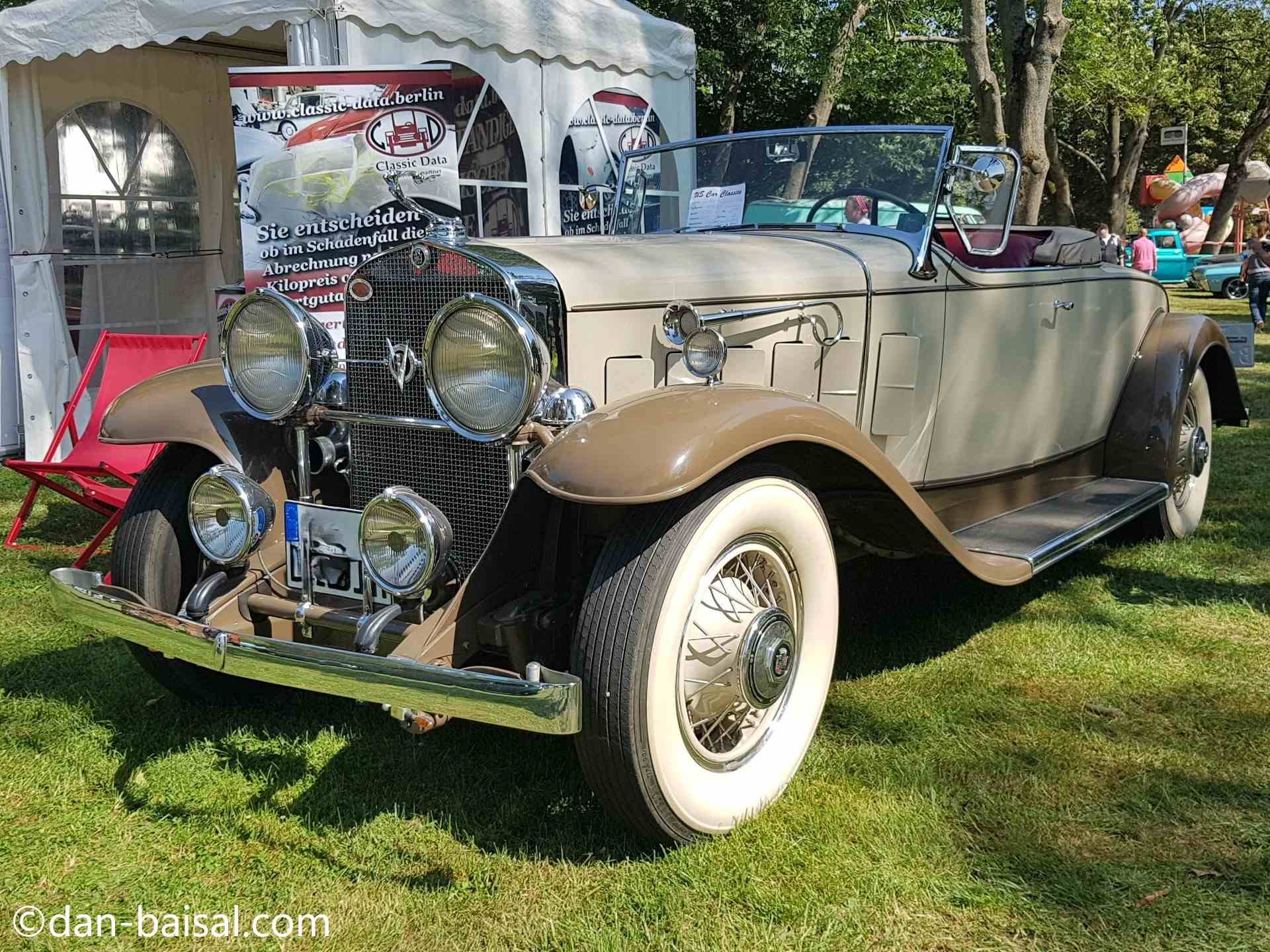
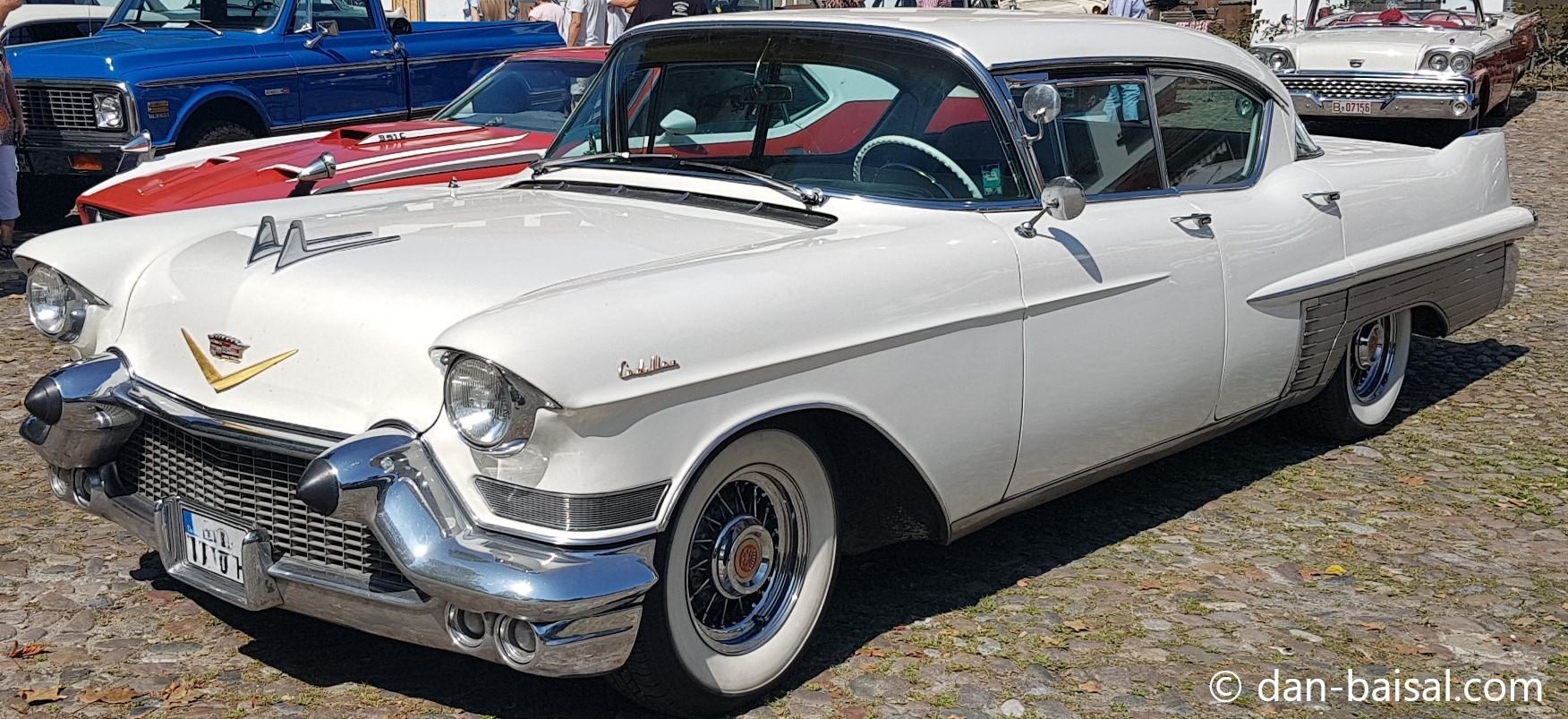
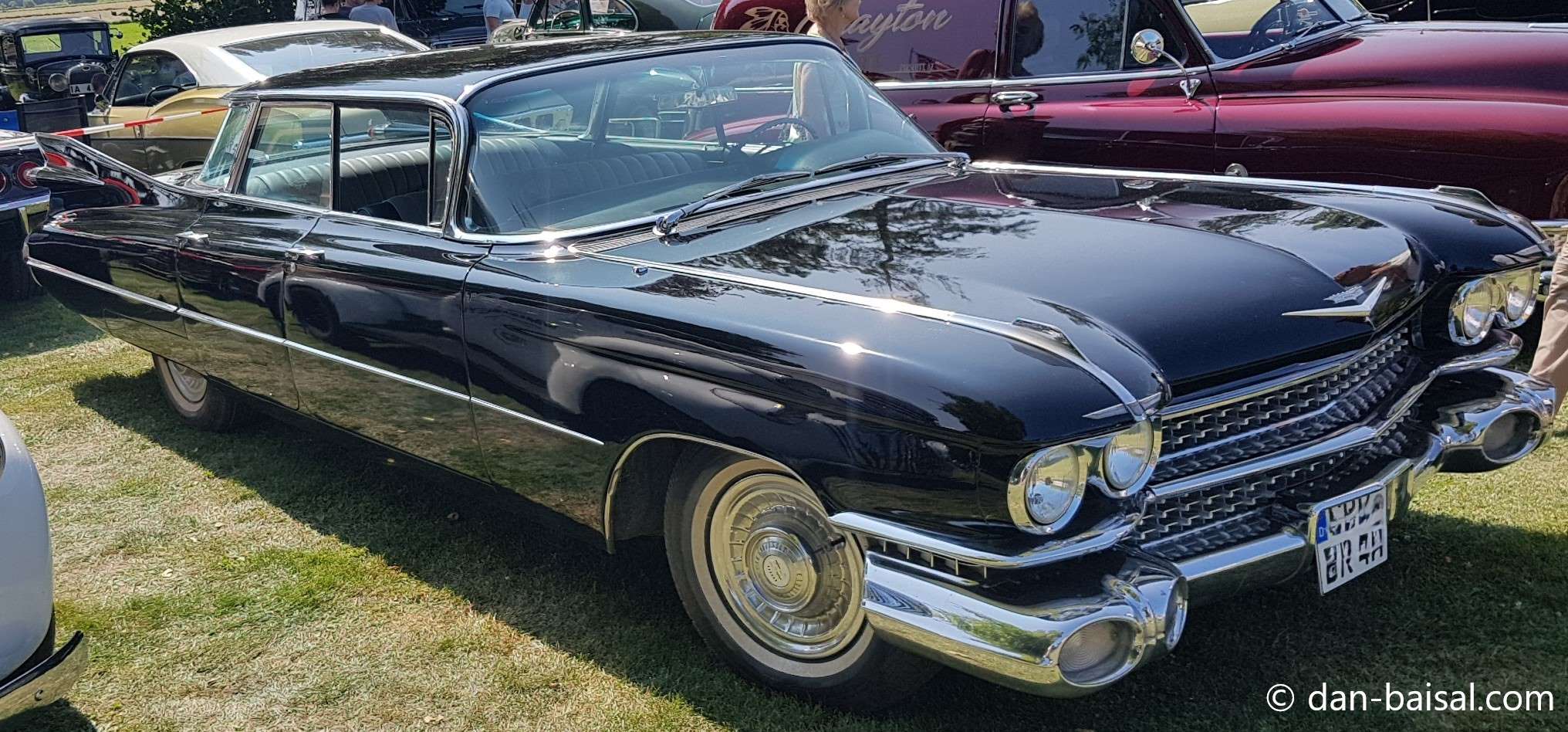
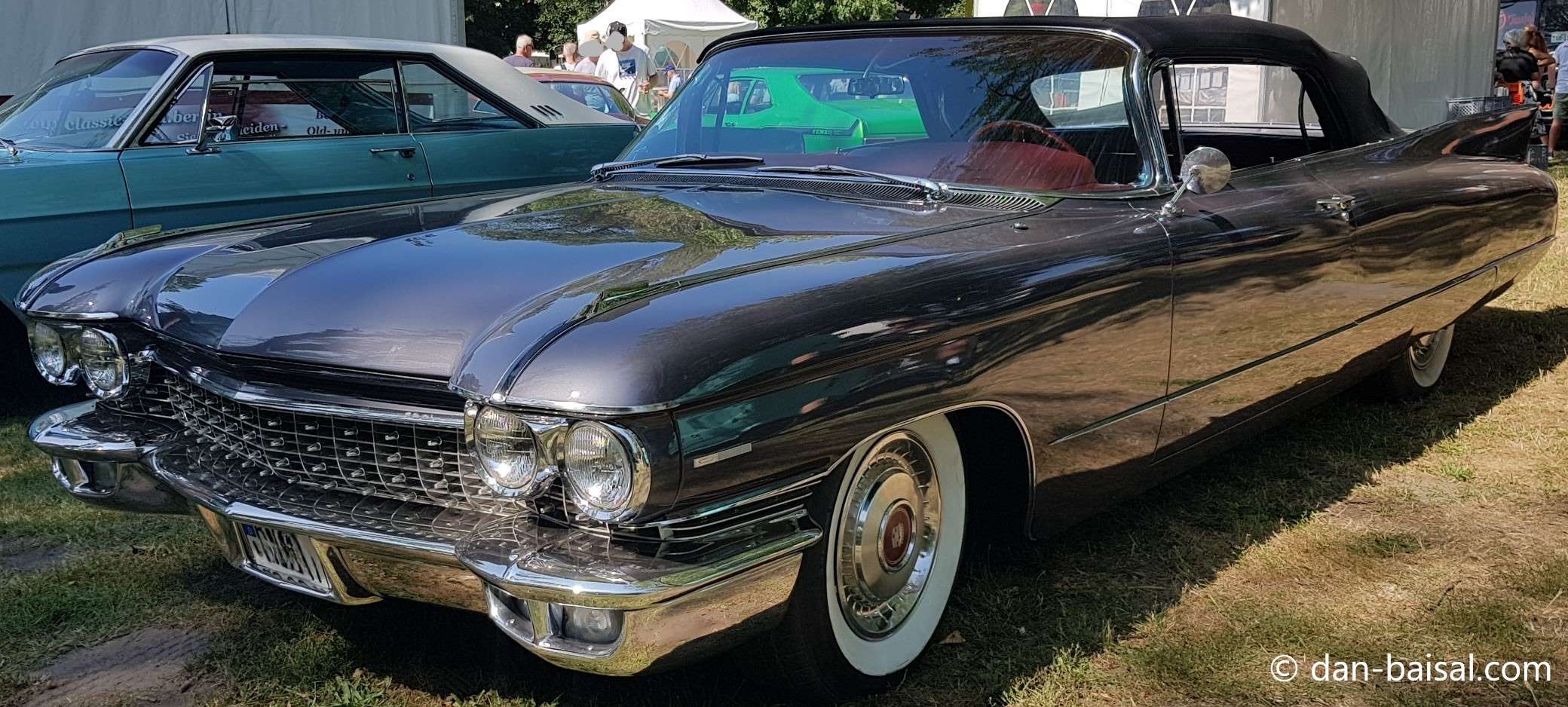
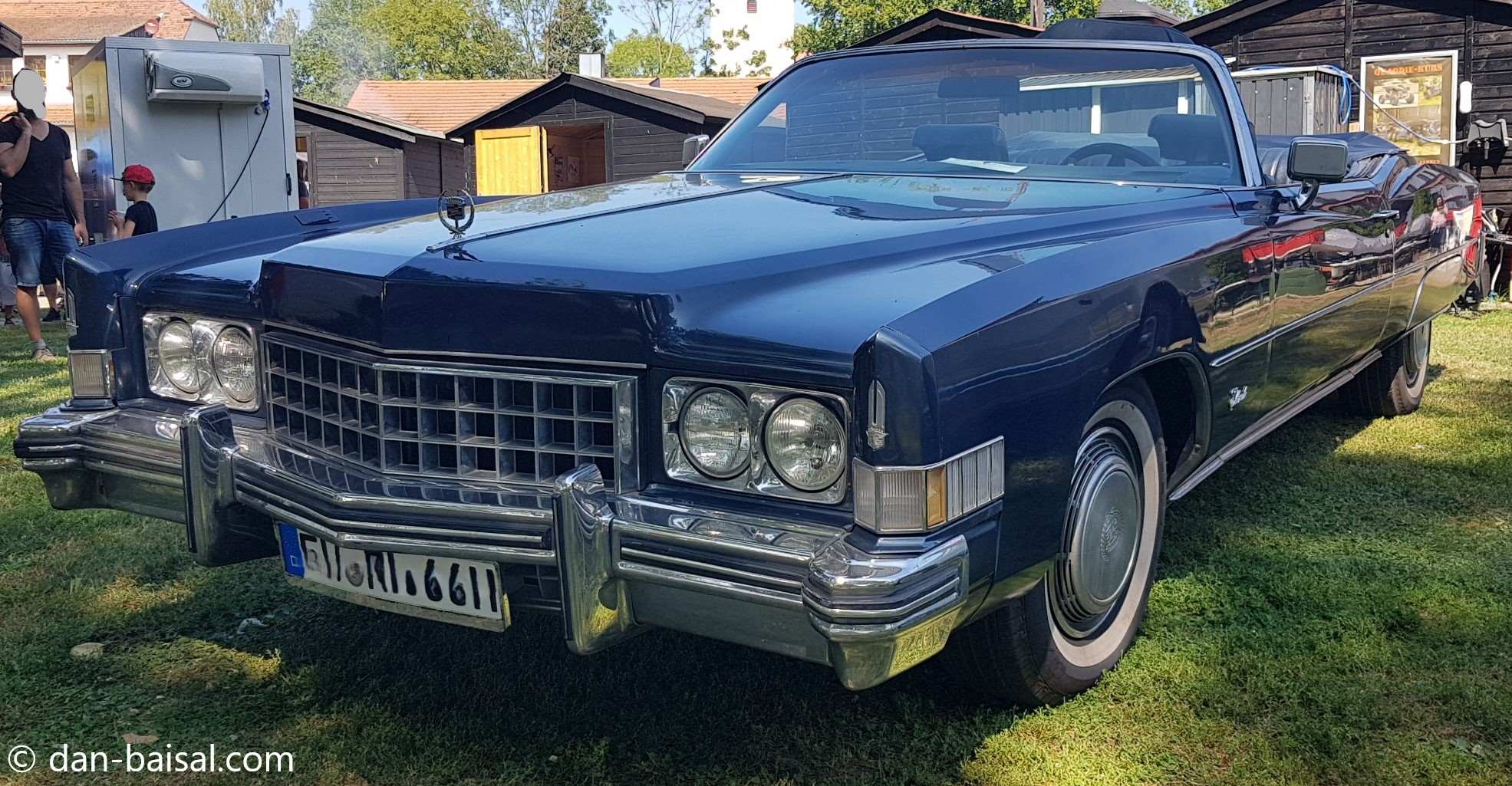
Cadillac has always represented the height of luxury and sophistication in American automobiles. Established in 1902, Cadillac introduced several groundbreaking technologies, including the first mass-produced V8 engine. The Cadillac Eldorado and the Fleetwood series highlight Cadillac’s legacy of opulence and cutting-edge design. These cars are a testament to Cadillac’s role as a symbol of American prestige and excellence.
At the show, I could get a glimpse at several late 50s models, predominantly the Sedan DeVille models as well some earlier ald later cars.




Chevrolet: The Heartbeat of America
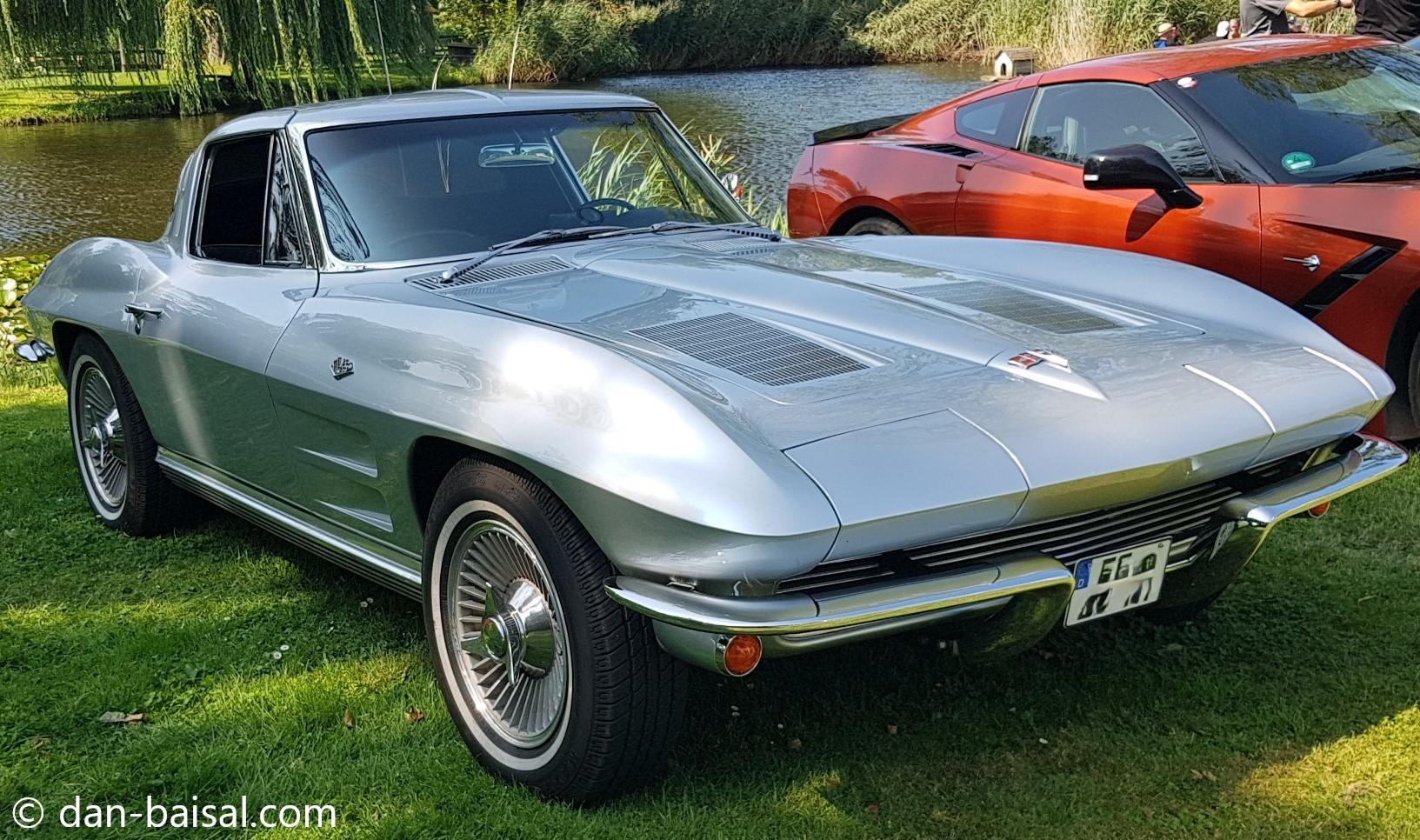
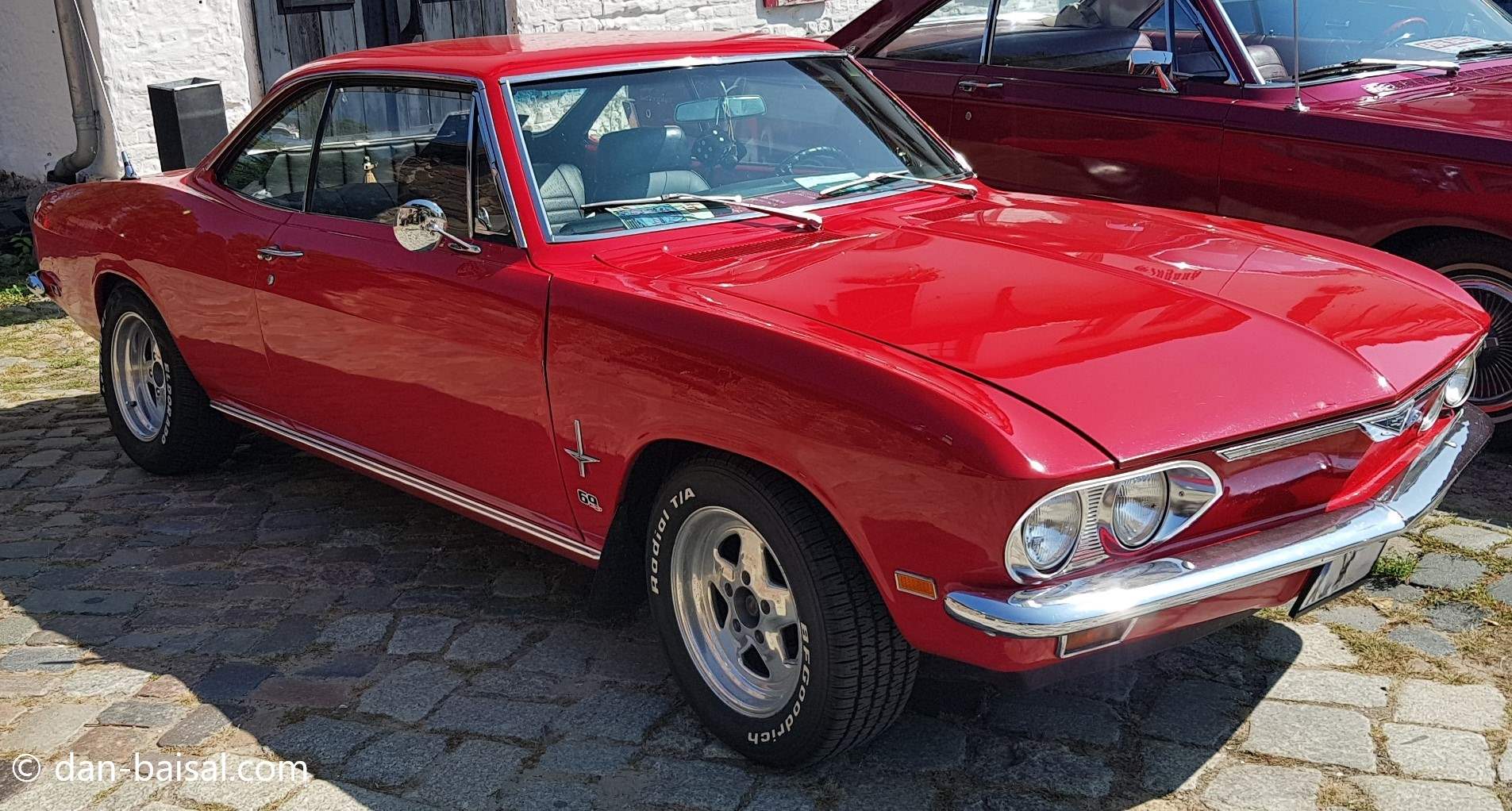
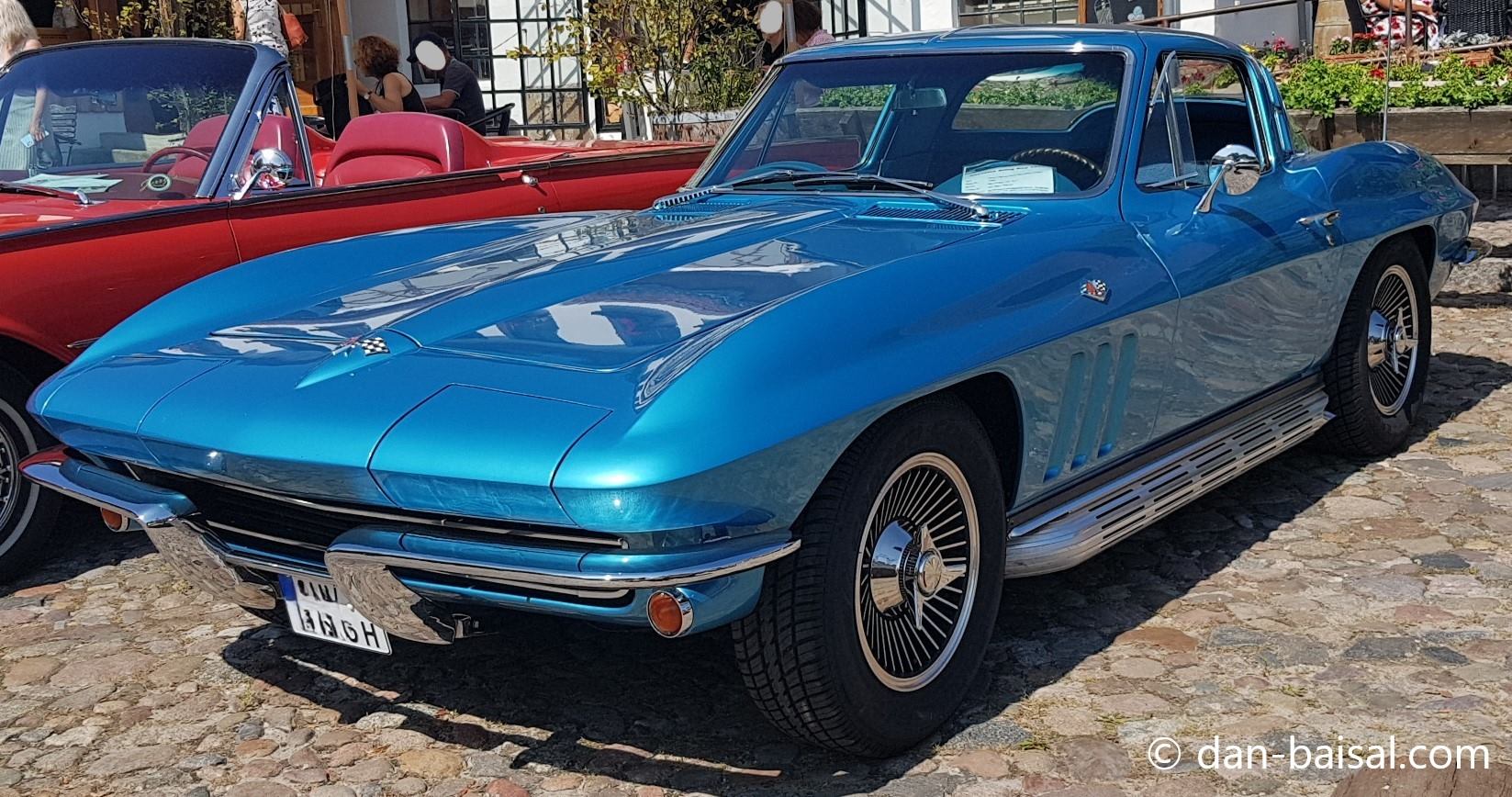
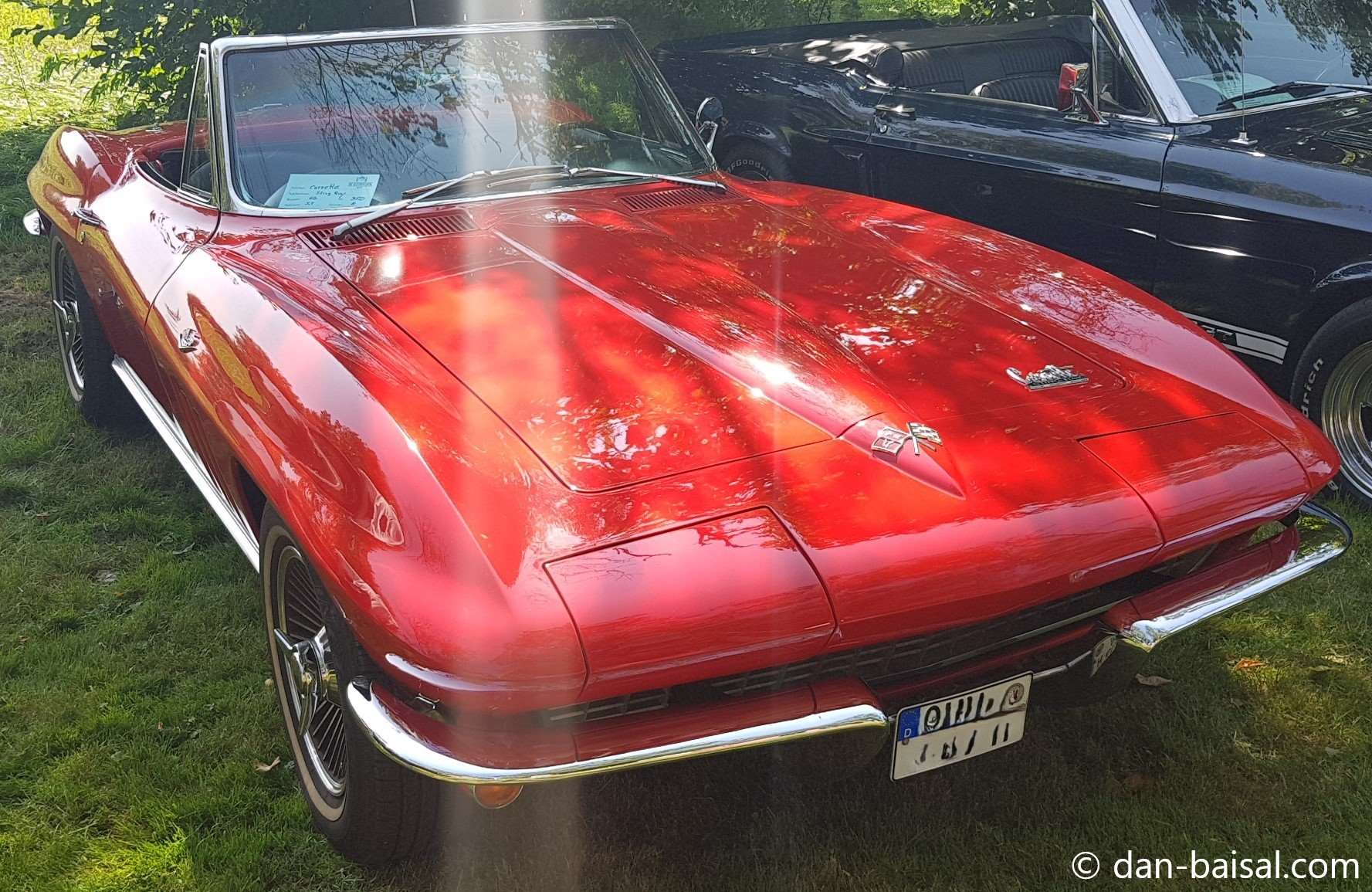
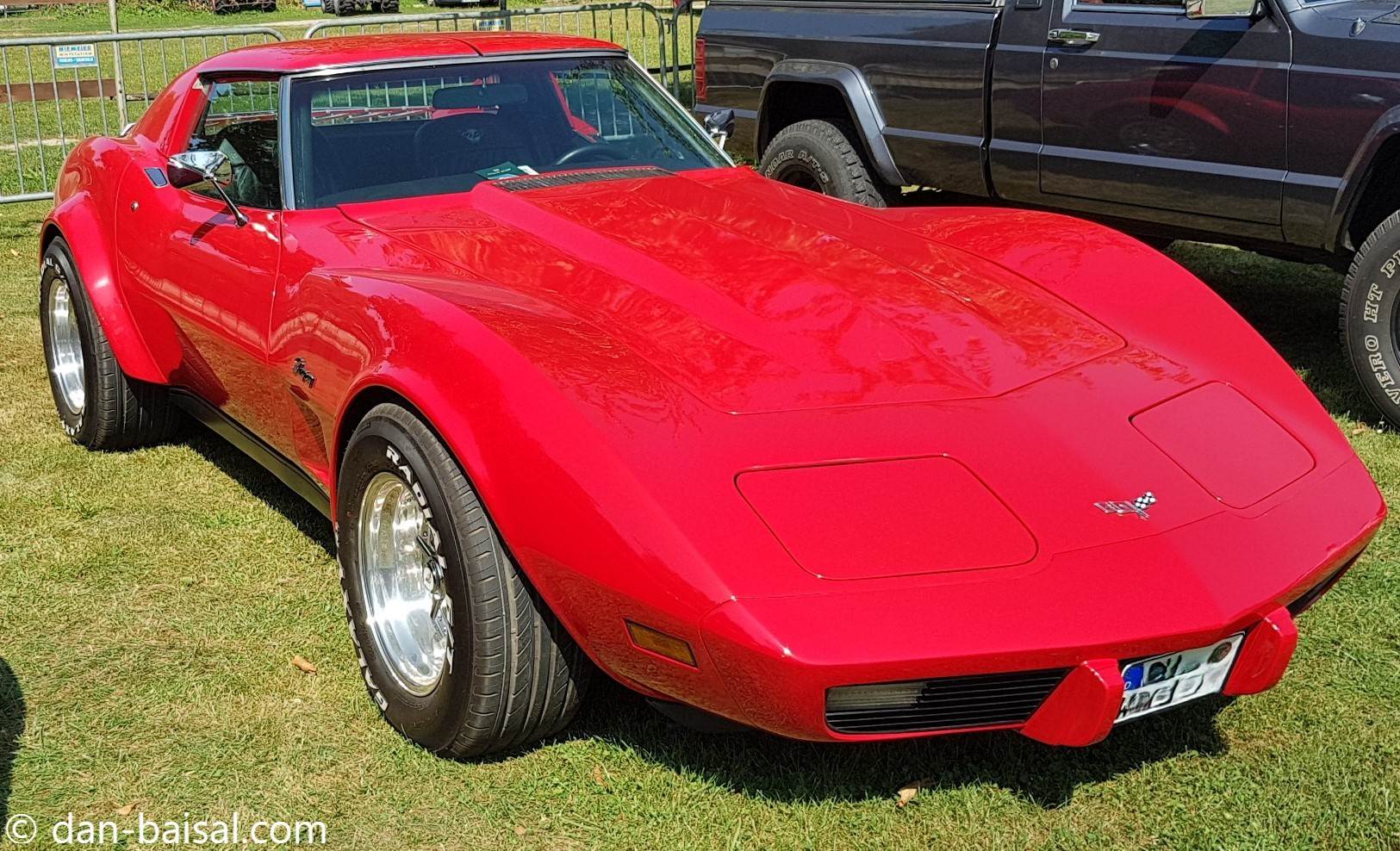
Chevrolet, founded in 1911 by Louis Chevrolet, has earned its place in the hearts of Americans with its diverse lineup of vehicles that range from practical family cars to powerful performance models. The Chevrolet Corvette, an iconic sports car, as well as 1950s Bel Airs were among the stars of the show. Chevrolet’s models exemplify American ingenuity making them a staple at any classic car event.


Chrysler: Innovation Meets Style
Chrysler has been a pioneer in automotive design and technology since its inception in 1925. The brand is known for its innovative features and stylish vehicles. The legendary Chrysler 300 and the Imperial series reflect the brand’s flair for luxury and cutting-edge design. Chrysler’s contribution to automotive history includes advancements in safety and comfort, making it a notable presence at classic car shows. The two examples I photographed include the 1960 Imperial Crown Sedan as well as the 1973 New Yorker with an absolutely thunderous 440 cubic inch V8, perfect for its massive size.


Delorean: A Glimpse into the Future
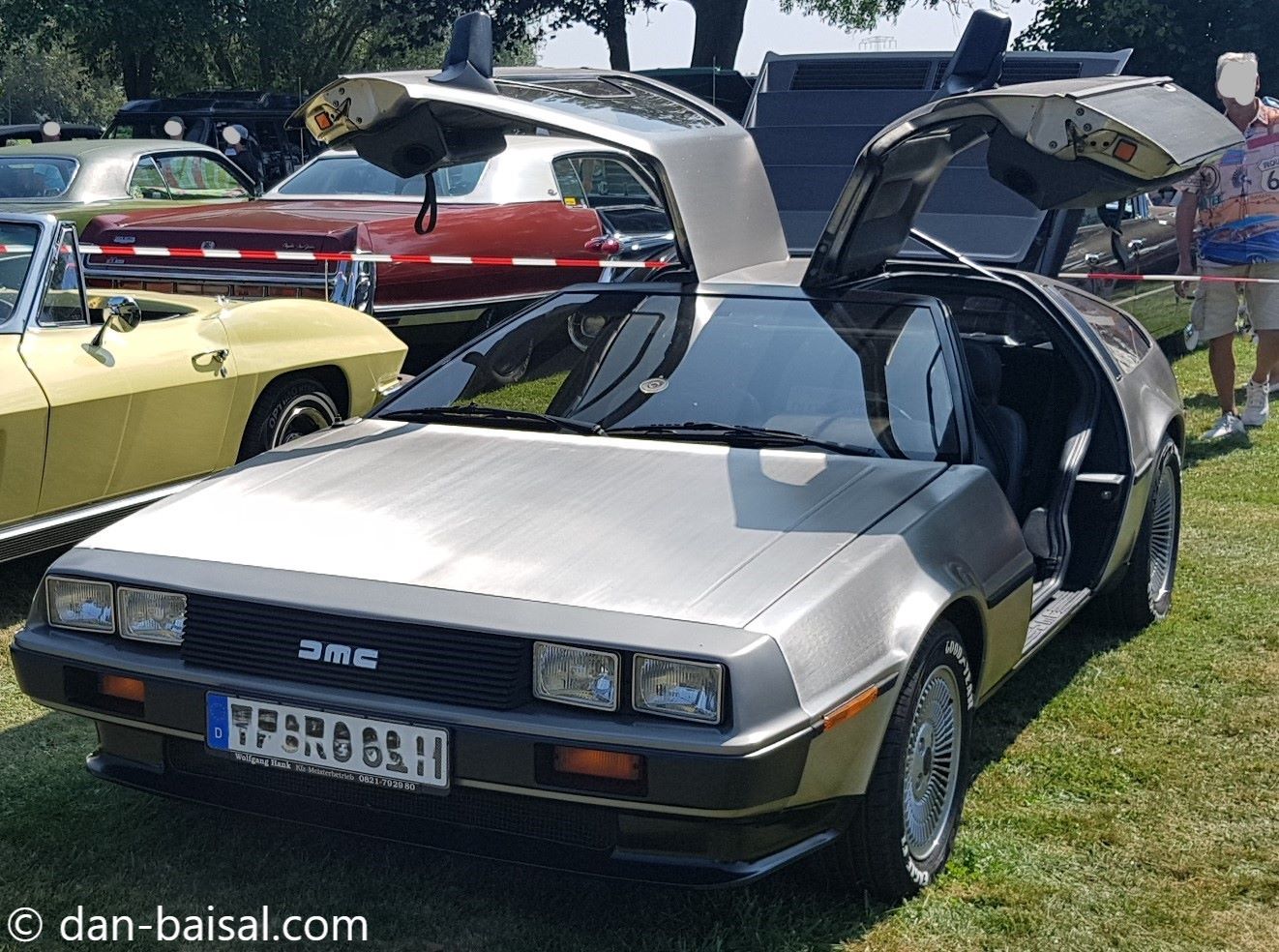
The DeLorean Motor Company, although short-lived, made a lasting impact with its distinctive DMC-12. Featuring gull-wing doors and a futuristic stainless-steel body, the DeLorean became a cultural icon, particularly through its appearance in the “Back to the Future” film series. At the show, the DeLorean represented a unique blend of design and nostalgia, drawing crowds with its futuristic look and distinctive style.
Dodge: Power and Performance
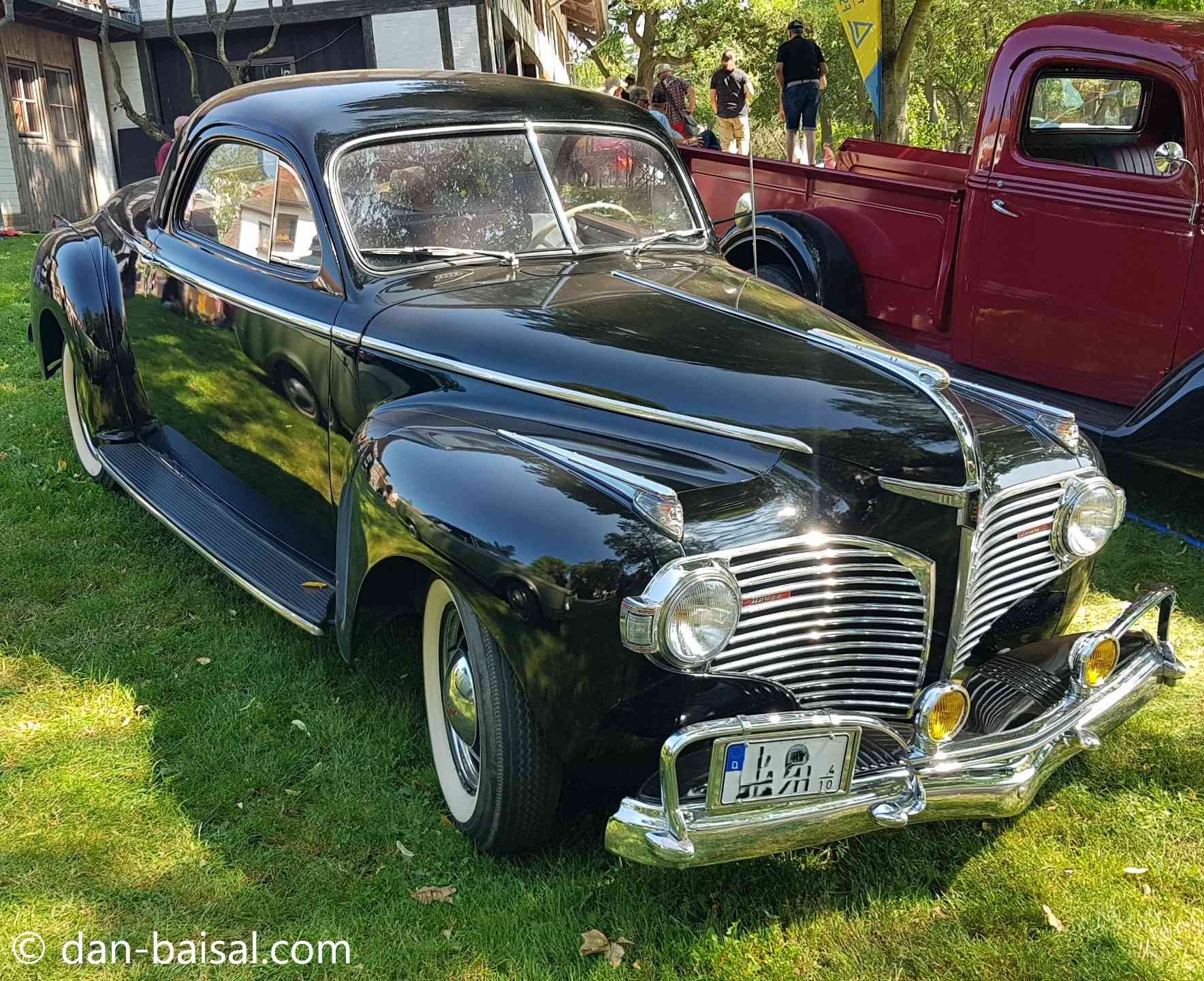
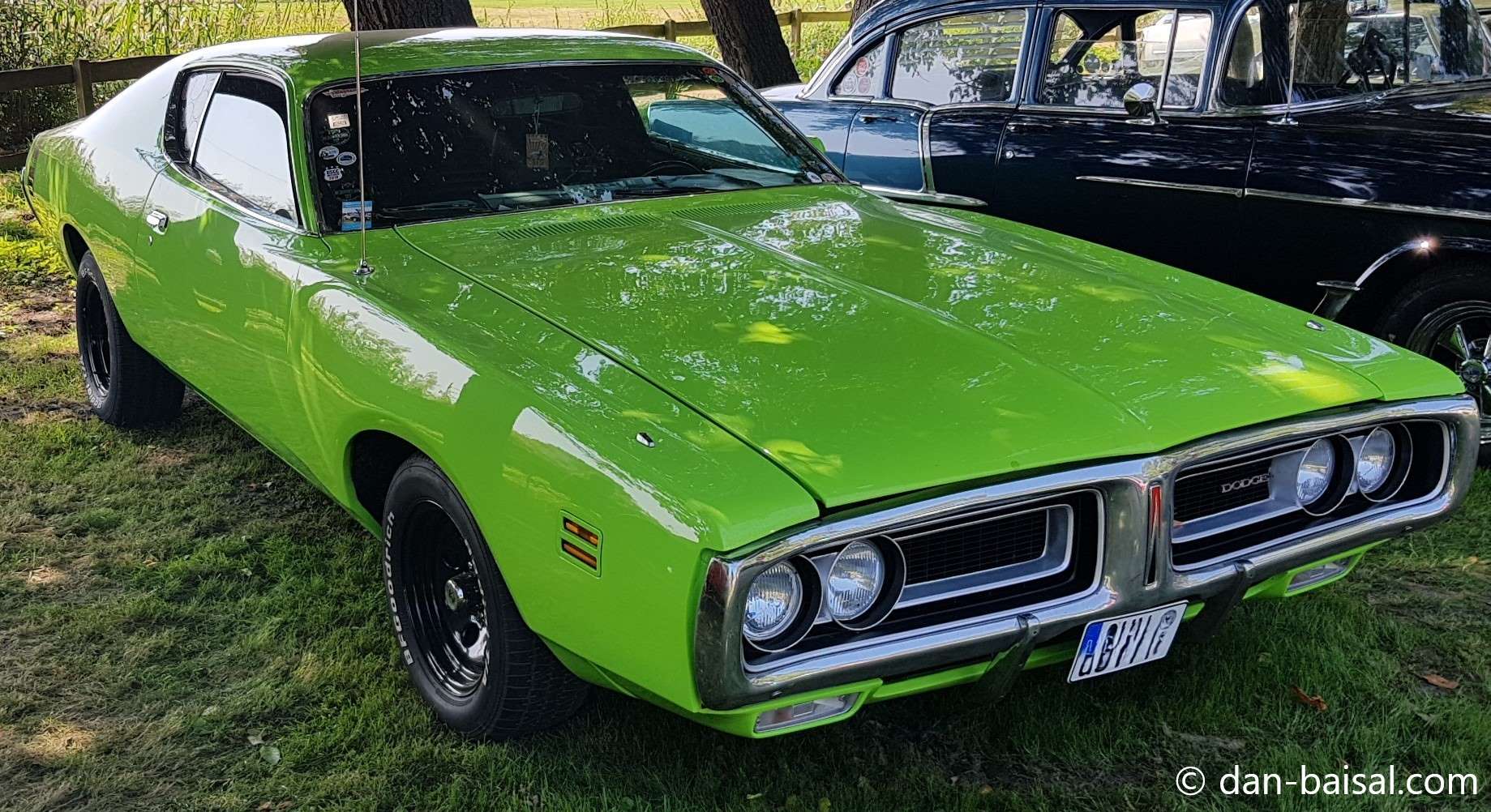
Dodge has a storied history of producing high-performance vehicles that capture the essence of American muscle. Founded in 1900 by the Dodge brothers, it is known for its powerful engines and aggressive styling. The Dodge Charger and Challenger embody the brand’s commitment to performance and speed. Dodge’s muscle cars are celebrated for their raw power and distinctive presence, making them a highlight of any classic car event.
Ford: The Legacy of the Blue Oval
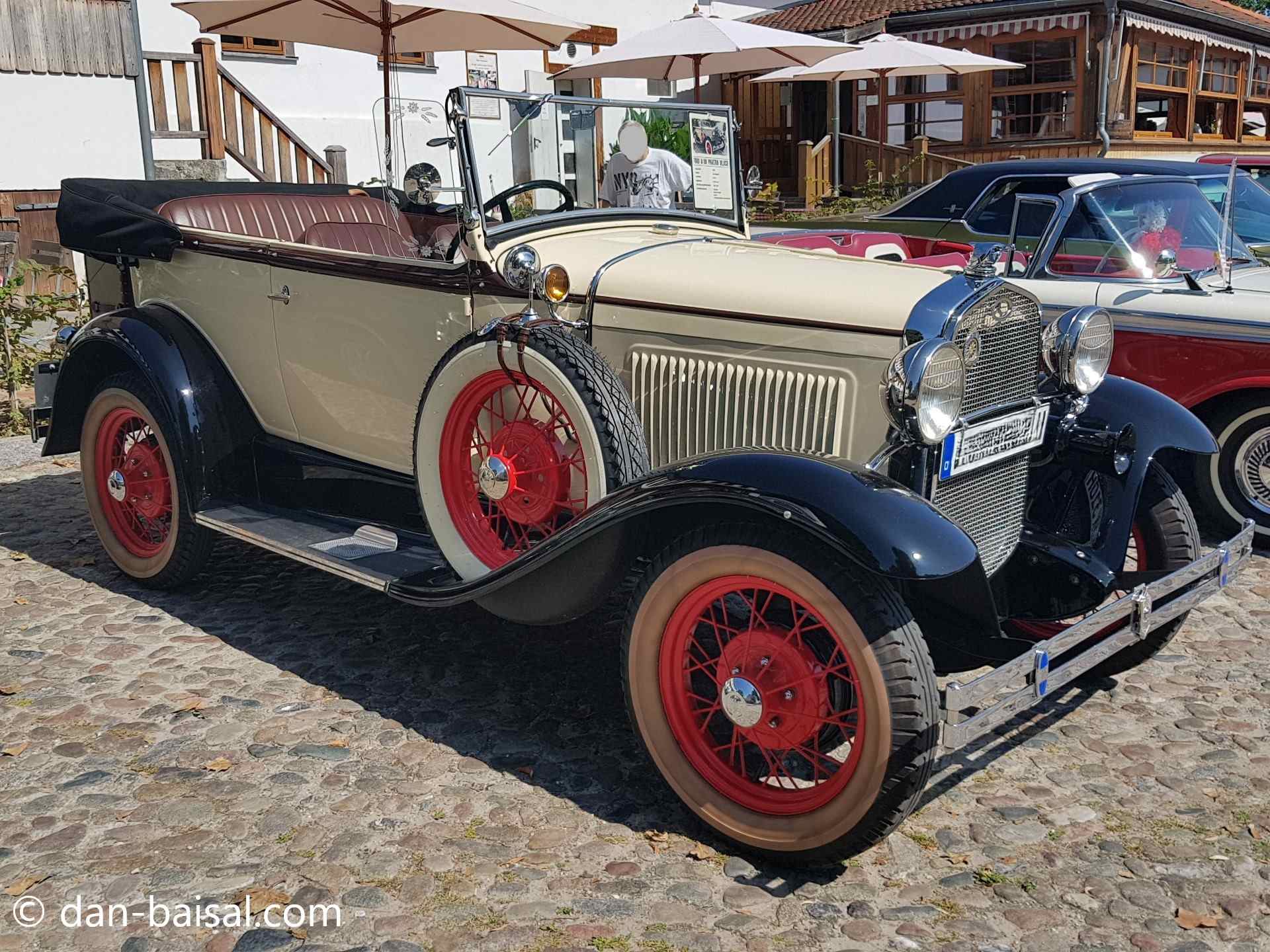
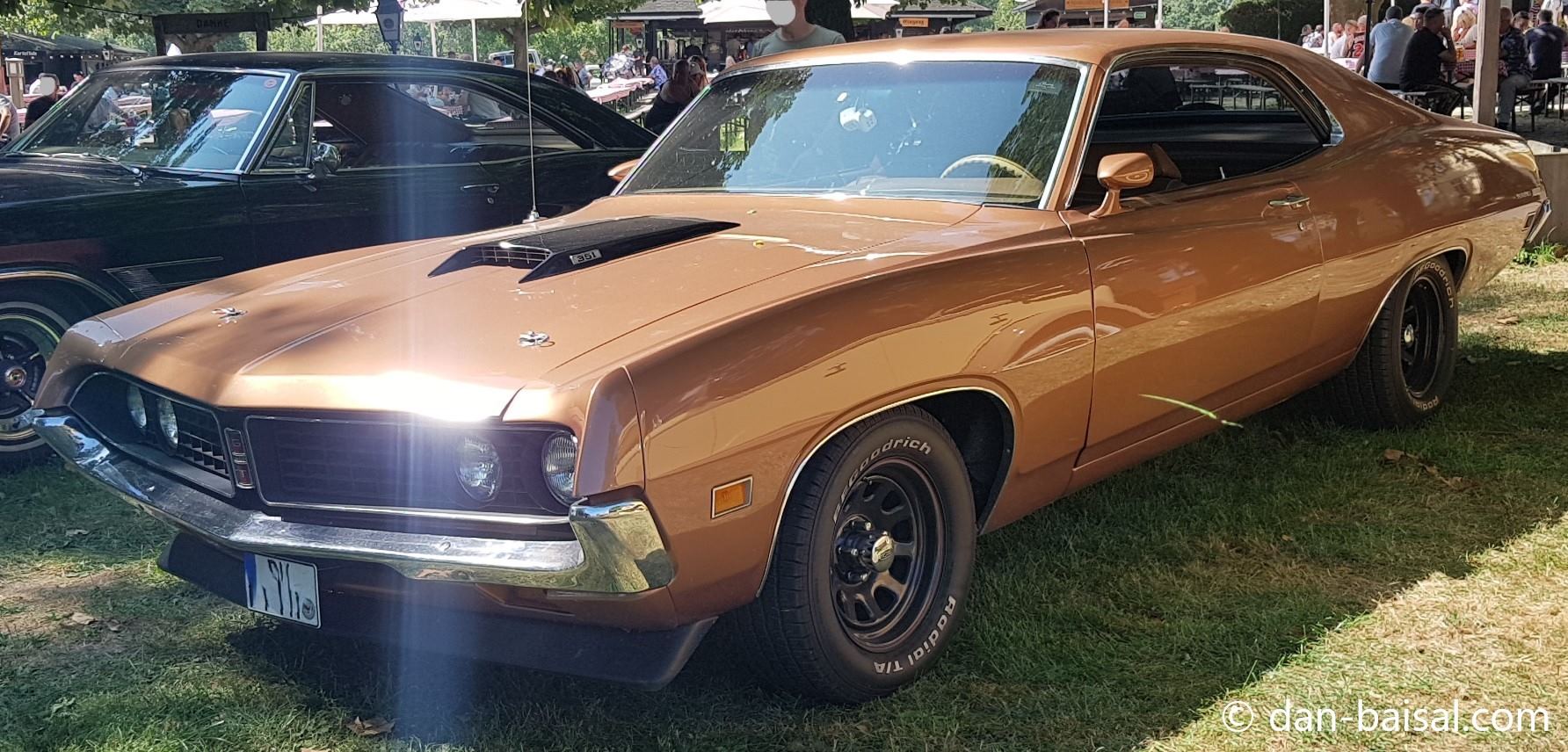
Ford, founded in 1903 by Henry Ford, revolutionized the automotive industry with the introduction of assembly line production. The Ford Mustang, introduced in 1964, became an emblem of American muscle and style. At the show, Ford’s classic models, including the Model A, the F-100 pick-up truck and the Thunderbird, showcased the brand’s legacy of innovation and its enduring appeal. Ford’s vehicles are a testament to the brand’s impact on American car culture and its role in shaping the automotive industry.


Lincoln: The Symbol of American Elegenace
Lincoln, founded in 1917, has always been associated with luxury and sophistication. The brand is renowned for its high-end vehicles and exceptional craftsmanship. The Lincoln Continental, a flagship model often seen at classic car shows, represents the epitome of American elegance and comfort. Lincoln’s presence at the show underscores its legacy as a symbol of prestige and luxury in the automotive world.

Mercury: The Upscale Alternative
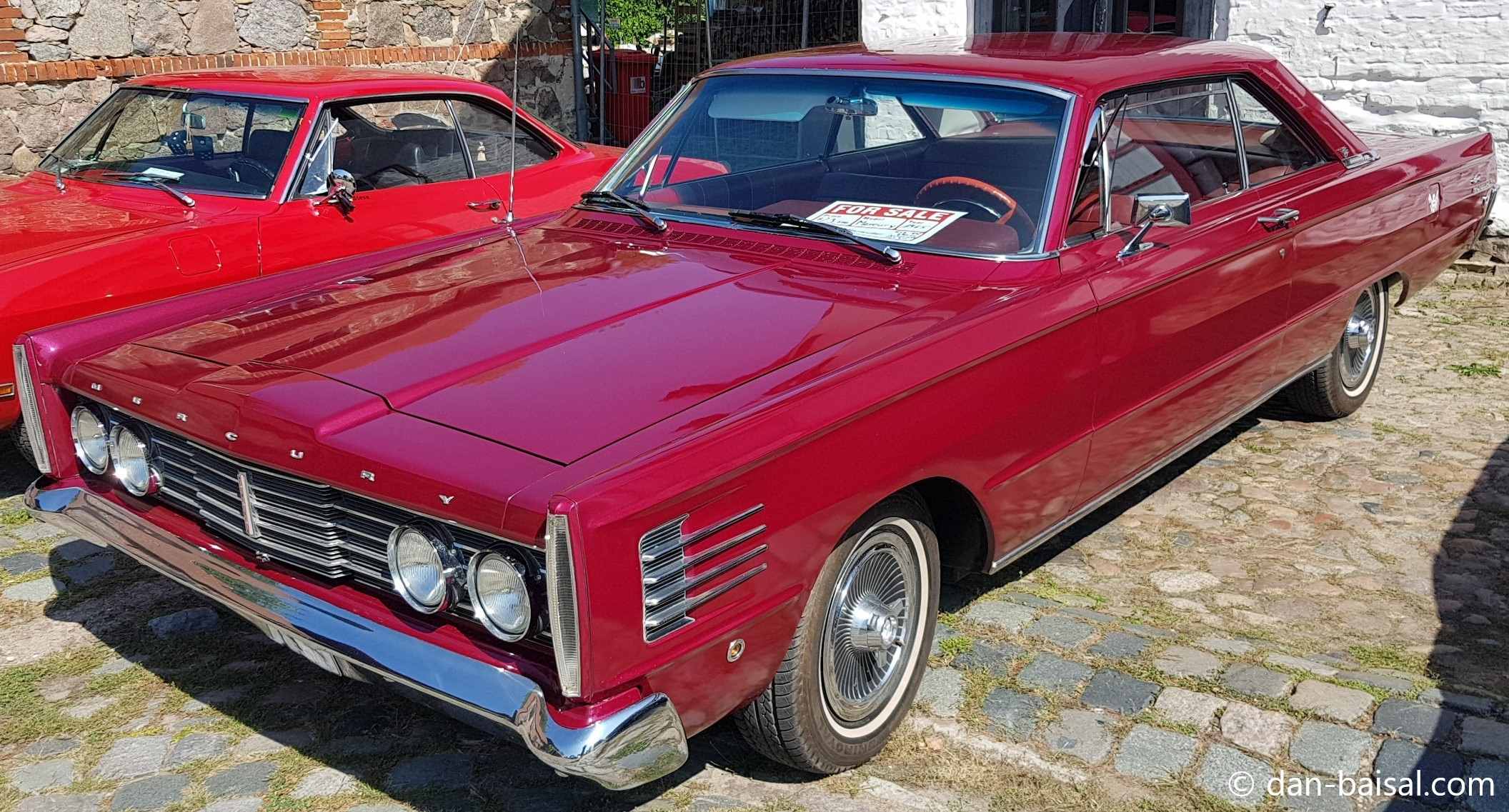
Mercury, a division of Ford established in 1938, was known for offering upscale versions of Ford vehicles with added luxury and style. Models like the Mercury Cougar and Marquis highlighted the brand’s commitment to providing a premium experience. Although Mercury was discontinued in 2010, its classic cars remain a popular choice among collectors, reflecting the brand’s unique position as a stylish and refined alternative to mainstream Ford models.
Oldsmobile: The Innovator's Choice
Oldsmobile, established in 1897 by Ransom Eli Olds, was a pioneer in automotive technology and design. Known for introducing innovations such as the first mass-produced automatic transmission (together with Cadillac), Oldsmobile’s models like the 442 and the 88/98 were celebrated for their performance and engineering. At the event, Oldsmobile’s classic cars served as a reminder of the brand’s significant contributions to the automotive industry and its legacy of innovation.


Plymouth: The Everyman's Car
Plymouth, founded in 1928, was known for offering affordable yet stylish vehicles that appealed to the average American consumer. The Plymouth Belvedere and the Road Runner, featured at the show, exemplify the brand’s focus on performance and value. Despite its discontinuation in 2001, Plymouth’s classic muscle cars continue to be cherished by enthusiasts for their distinctive designs and affordability.


Pontiac: Performance with Style
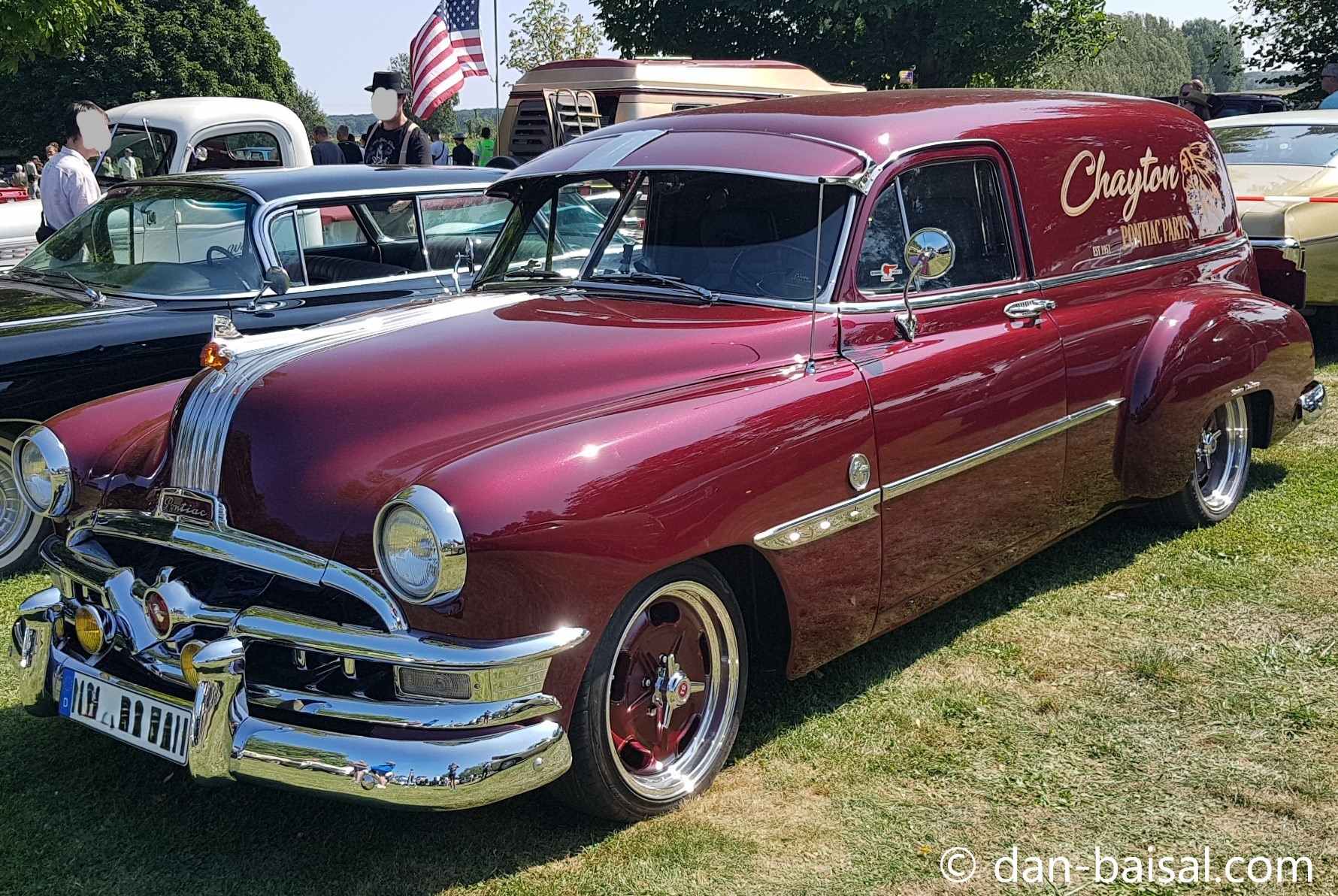
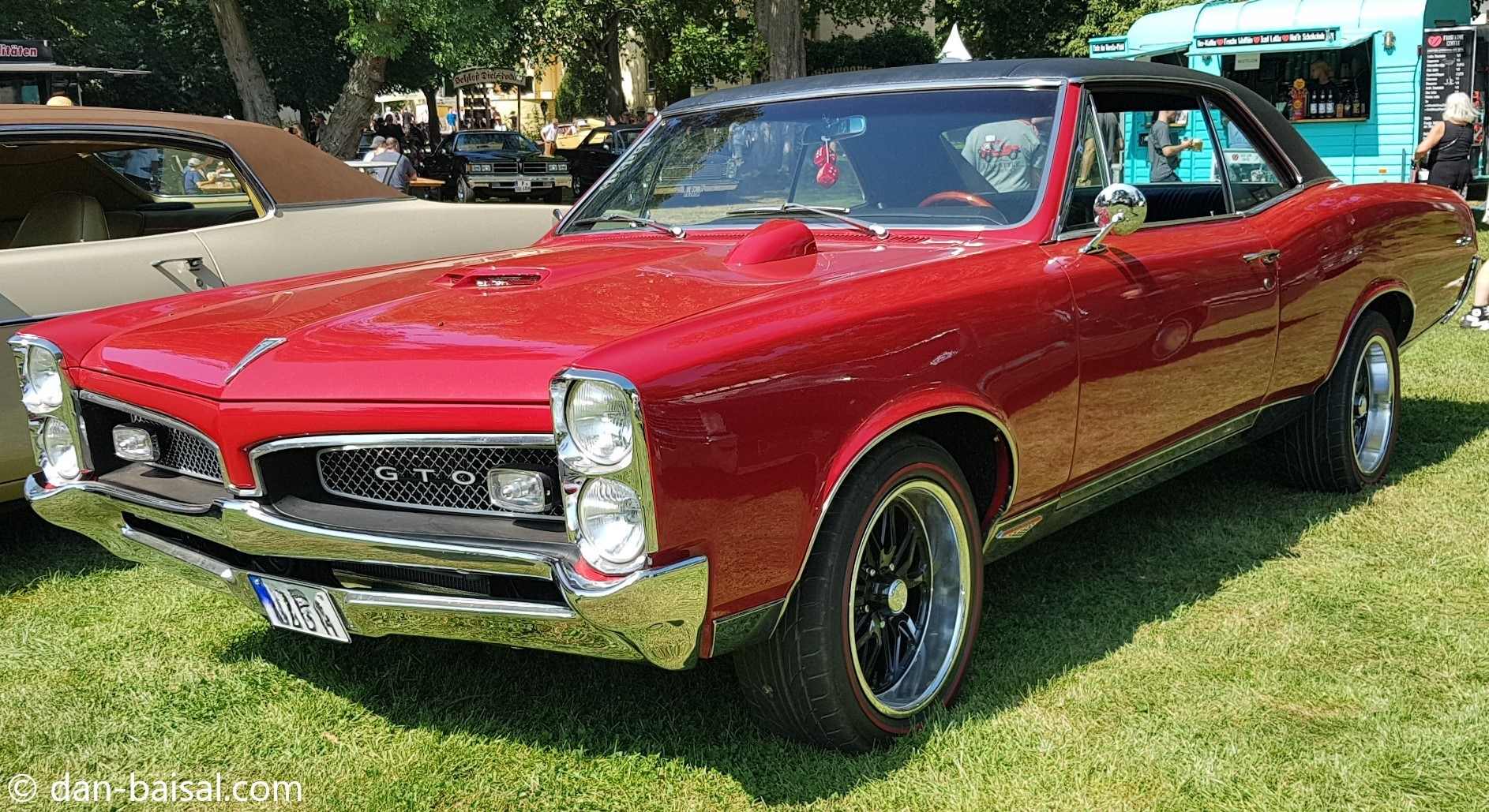
Pontiac, a division of General Motors established in 1926, earned a reputation for sporty and performance-oriented vehicles. The Pontiac GTO, showcased at the event, highlight the brand’s commitment to blending performance with stylish design. Pontiac’s classic cars are celebrated for their distinctive look and powerful engines, making them a standout at vintage classic car shows.
Shopping and Catering at the Show
The classic car exhibition was alive with the sights, sounds, and smells of a bygone era. It wasn’t just about the cars—although they were undoubtedly the stars of the show. The atmosphere was enhanced by retro music, vintage (and not only vintage) clothing, and food vendors serving classic American fare. This classic motor show was a gathering place for like-minded individuals who share a love for all things vintage.

Conclusion
The show was a good opportunity to take a look at American cars from yesteryear that you don’t often see driving around the street, especially in Europe.
However, coming to this show can be difficult for some people (especially those without a car) and the weather can be problematic as the end of August is usually very hot. People who are rather introverts may be put off by a large amount of people wandering about.
If you can tolerate that, then a visit at this vintage car show will be an interesting and pleasant experience. For me though, all the people, the loud music and the heat were too much.