
Japanese Excellence: 2011 Mazda 3 Owner's Review
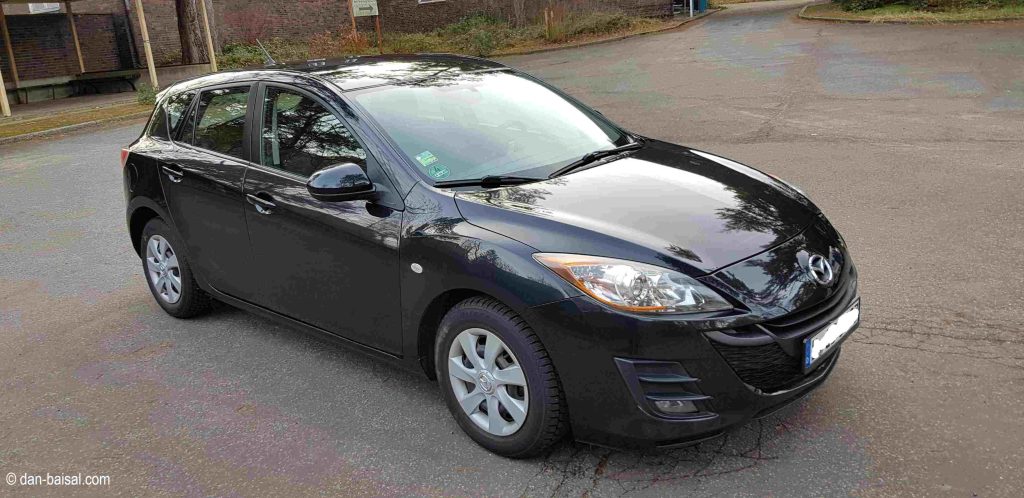
The Mazda 3 is a great compact family hatchback that offers solid reliability, sharp handling and manageable running costs. In this article I will explain why I chose this over its competitors, what I like and what I don’t like about it. So buckle up, we’re going in.
The Background Of Purchasing The Mazda
Since this car is my very first vehicle of my adult life, you can probably imagine that before that, I didn’t have any personal mode of transportation at all. In the beginng of 2020s the whole Covid thing happened and I really wasn’t keen on riding public transit. Plus, it always felt to me like a massive waste of my valuable life time.
So, what could I do? I really wanted to buy a car and having an interest in the automotive field certainly helped me to make the right decision. I knew I couldn’t afford to buy a fancy, expensive vehicle, so my list of criteria was the following:
- Cheap to buy (ca. 5-6k)
- Cheap to run and maintain
- Reliable
- Not too heavy on electronics and other gremlins that could go wrong
- Not too big, compact
- 4 doors (even though I’m single, but still more practical than just 2)
- Not too boring to drive
- Manual gearbox
As you can probably imagine, the list of potential cars was not too extensive to begin with. The whole process took me a little over a year to find the right car.
Car candidates that didn't make the list
As already mentioned, I wanted a compact vehicle. Given the car prices at that time (2021-22) and the fact that I didn’t have that much money to begin with, I narrowed my search down to Japanese vehicles from the 2000s and early 2010s.
I didn’t consider anything made in France, Italy and Korea, since those cars often have a dubious reputation on reliability. Now I know, that everyone’s personal experience is different, but I was working with generalizations here and decided to avoid those products altogether.
I also got rid of most of the German offerings. The only German compact hatchback I would get, would be a Golf or an Audi A3 with a 1,9 TDI. But since those were easily at 7-8k Euros with approximately 100k kilometres on the clock and roughly 20 years old, I didn’t want to get an “ancient” car. I knew my used vehicle would be old, just not late 90s-early 2000s old. Aside from that, everything else was way too expensive and really not worth it, at least in my own opinion.
What certainly didn’t cross my mind at all, were British or Swedish hatchbacks. But since Britain doesn’t really offer a truly British hatchback (Mini is German, Vauxhall is Opel and that’s a pretty poor brand when it comes to reliability), my choice was limited even further. Which was actually a good thing, because the alternatives were pretty clear.
The last option I’d consider was a Ford Focus. Considering Ford’s tendency to hit or miss in regards to durability, I decided to stay away from it. So, Japan was the only way for me to go. And I narrowed the list down even further. The brands that I didn’t take into account:
- Nissan (ever since the strategic alliance with Renault, their quality went downhill)
- Mitsubishi (haven’t made a decent car since forever,automotive is not even their main industry)
- Subaru (Niche manufacturer with a proneness for head gasket failures)
- Daihatsu (not present on the German market since 2013, plus no actual hatchbacks I’d be interested in)
- Infiniti (see above)
- Acura (not present in Europe)
- Lexus (Too expensive and the CT was only available as a hybrid that I didn’t want)
Cars that did make the list
Effectively, there were 3 brands left that did make it on the list:
- Toyota
- Honda
- Mazda
All three offered brilliant options as Corolla, Civic and the 3.
While the 8-th Civic I was considering for my money is a very reliable and also fun to drive vehicle, the only thing that put me off was the fact that the 1.8 litre V-Tec engine was run by a timing belt, that has to be replaced every now and then. Should the belt fail and snap, it would mean a total damage to the engine since it’s an interference engine. Pistons hit the valves and there you go.
The Corolla (model E120) doesn’t have that issue. Its engine (both the 1.4 and 1.6 VVTi) are driven by a timing chain, that given proper maintenance should last the lifetime of the vehicle. However, at the point of my research not many good examples were available and also it’s a bit boring. Doesn’t mean it’s a bad car though. If you happen to find one in good condition, go for it!
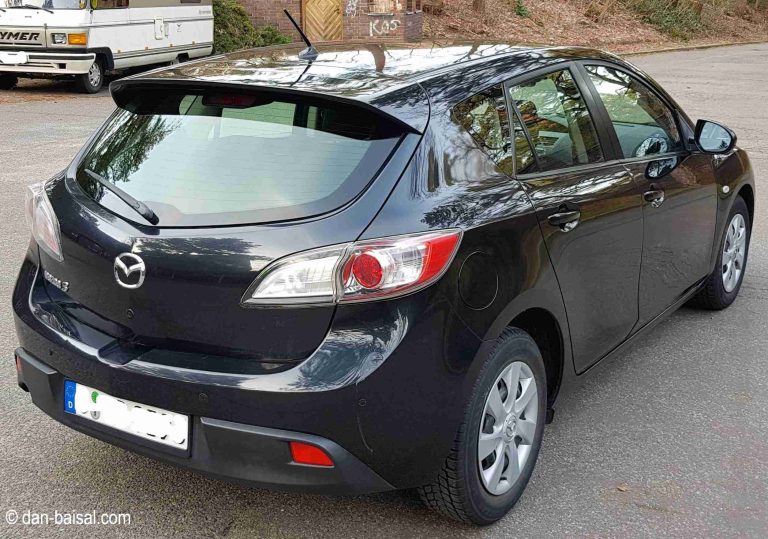
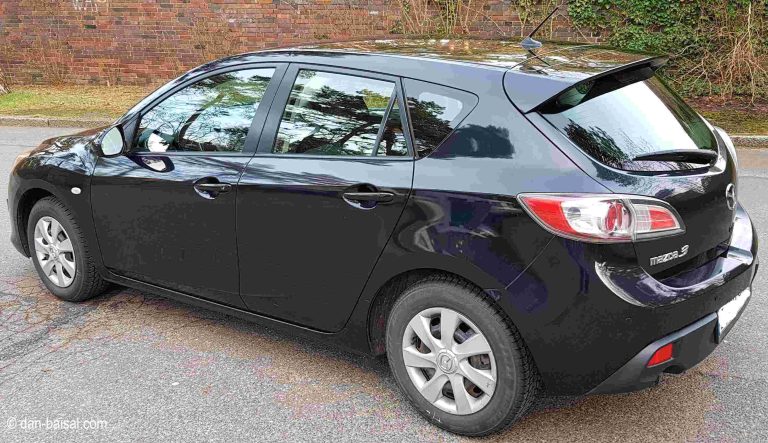
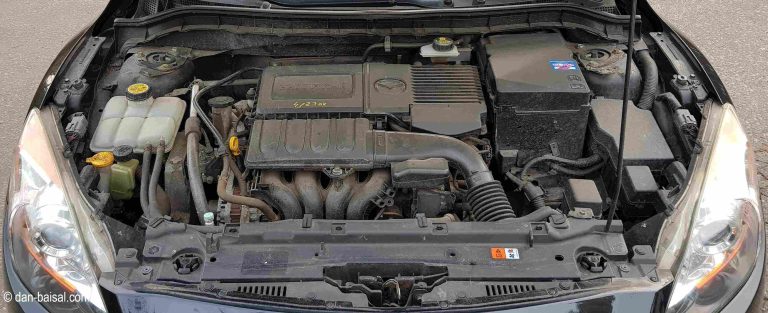
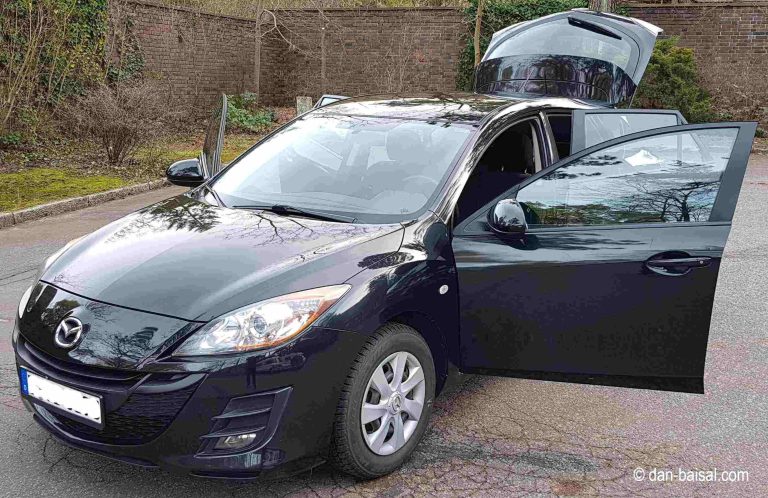
So the last choice was the Mazda 3. Originally, I was looking for a facelifted first generation Mazda 3 (Type BK), but then one day I found the second generation BL. Both gens had an entry level 1.6 Litre naturally aspirated inline 4 with a timing chain and 105 PS. My vehicle is the pre-facelifted version for the 2011 model year. It was actually built in Japan in October of 2010, but it first hit the road in Germany in March 2011.
Living With The Mazda 3: Things I Like
I’ve owned the Mazda since June 2022 and since then it has been a pretty enjoyable and trouble-free experience. In the following I will elaborate on the positives and also talk about the negatives that aren’t plentiful. So let’s start with the good points of this wonderful Mazda.
Fuel Efficiency & Mileage
In case I haven’t mentioned it yet: My particular vehicle has a 1.6 liter naturally aspirated petrol engine with a 105 metric horsepower and 145 Newtonmeters of torque (107 foot pounds). According to official fuel economy data from Mazda, the car should consume around 7.4 liters of fuel per 100 kilometres of drivng. That’s approximately 32 mpg in overseas currency.
But how do the figures actually stake up? Well, on the highway the car consumes between 6 and 7 liters per 100 kilometres. City driving however, will get you up to 10-11 liters, which is still a moderate number. In a combined cycle, 8-9 liters are pretty easy to achieve, so the car doesn’t deviate too much from claimed figures.
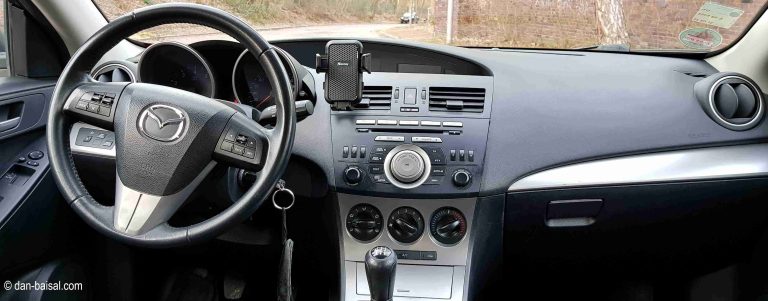
According to the different scenarios of fuel consumption, maximum range of the vehicle can also vary. Here’s an interesting observation of mine:
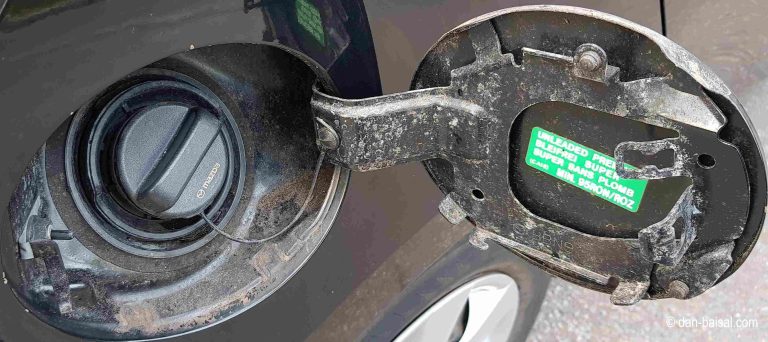
The official registration papers state that the petrol tank is measured at 55 liters of total fuel capacity. However, I’ve never been able to fill more than 45 liters into the tank. Even though it’s a bit disappointing, the range for me is still more than enough. If I drive most of the time on the highway, I can have an approximate range of 700 kilometres (or 437 miles) before the next fill up. I can certainly live with that.
Interior Space
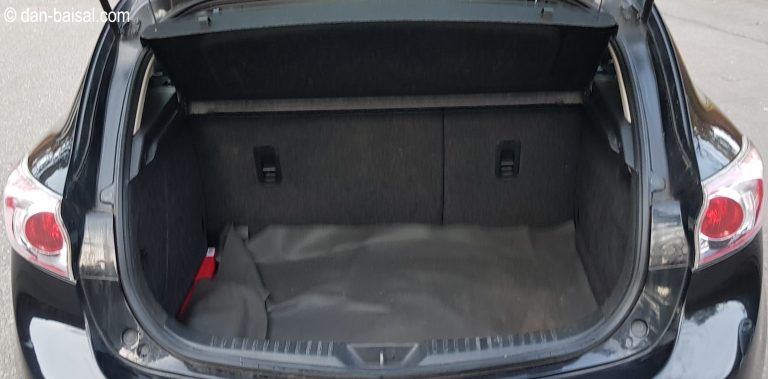
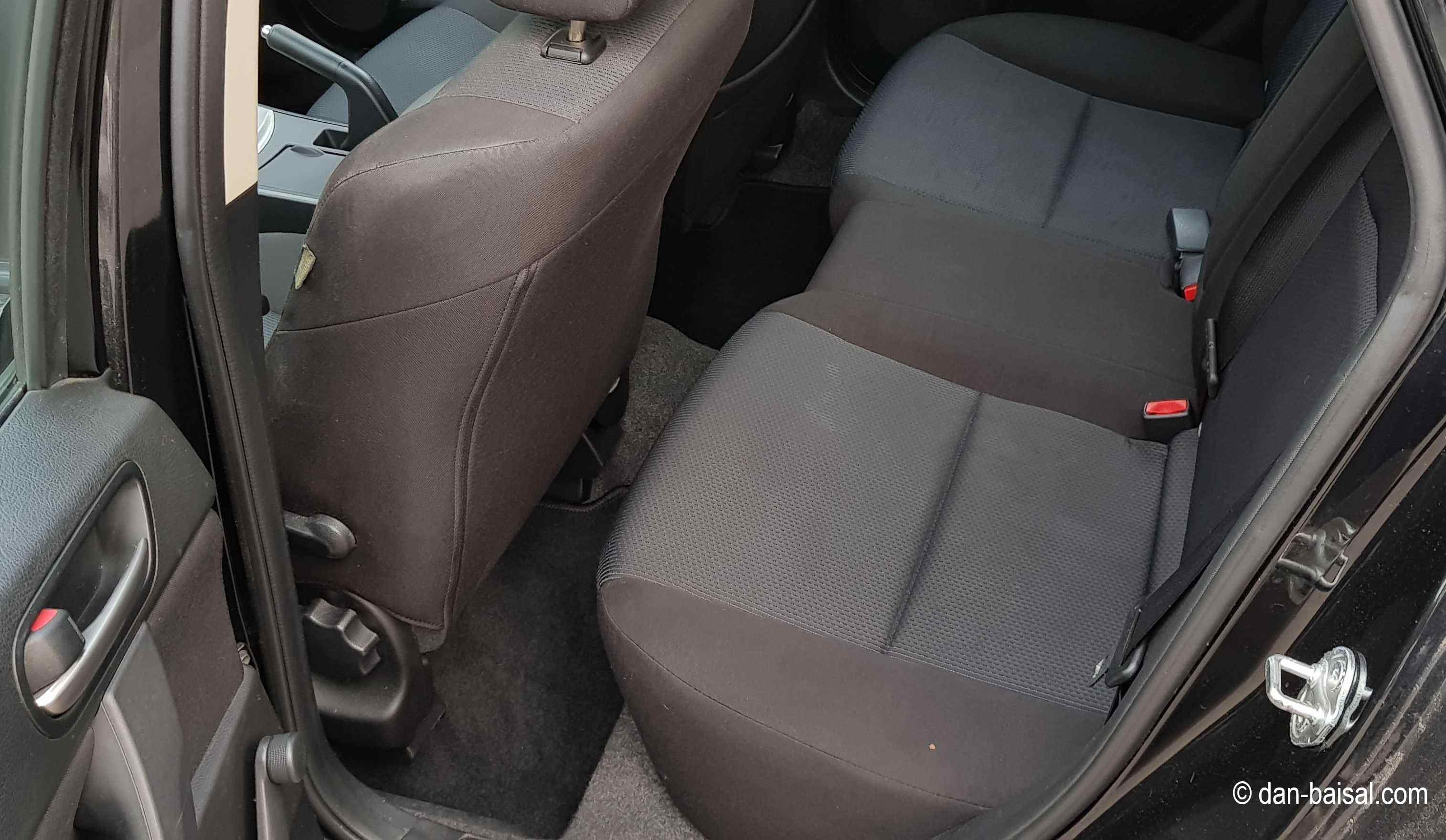
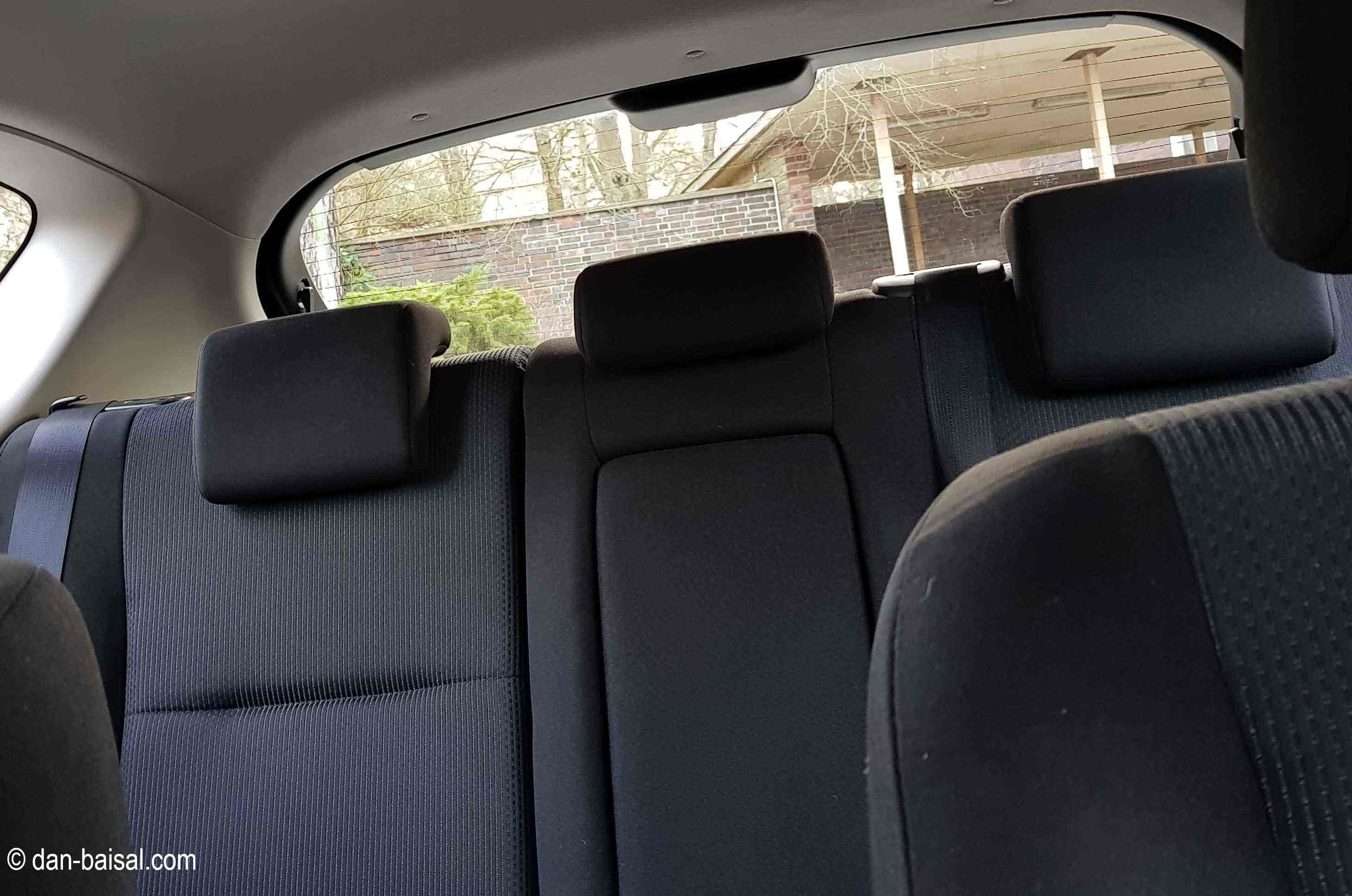
Although the vehicle is only 4,46 meters in length (14,6 feet), it boasts a good amount of space for 5 passengers and their luggage. Granted, sitting in the back for 3 could get a little tight, but if you carry 4, that’s not going to be a problem. That being said, I am 190 cm (6 foot and 3 inches) tall and have my seat all the way back, so seating right behind me will be challenging to most.
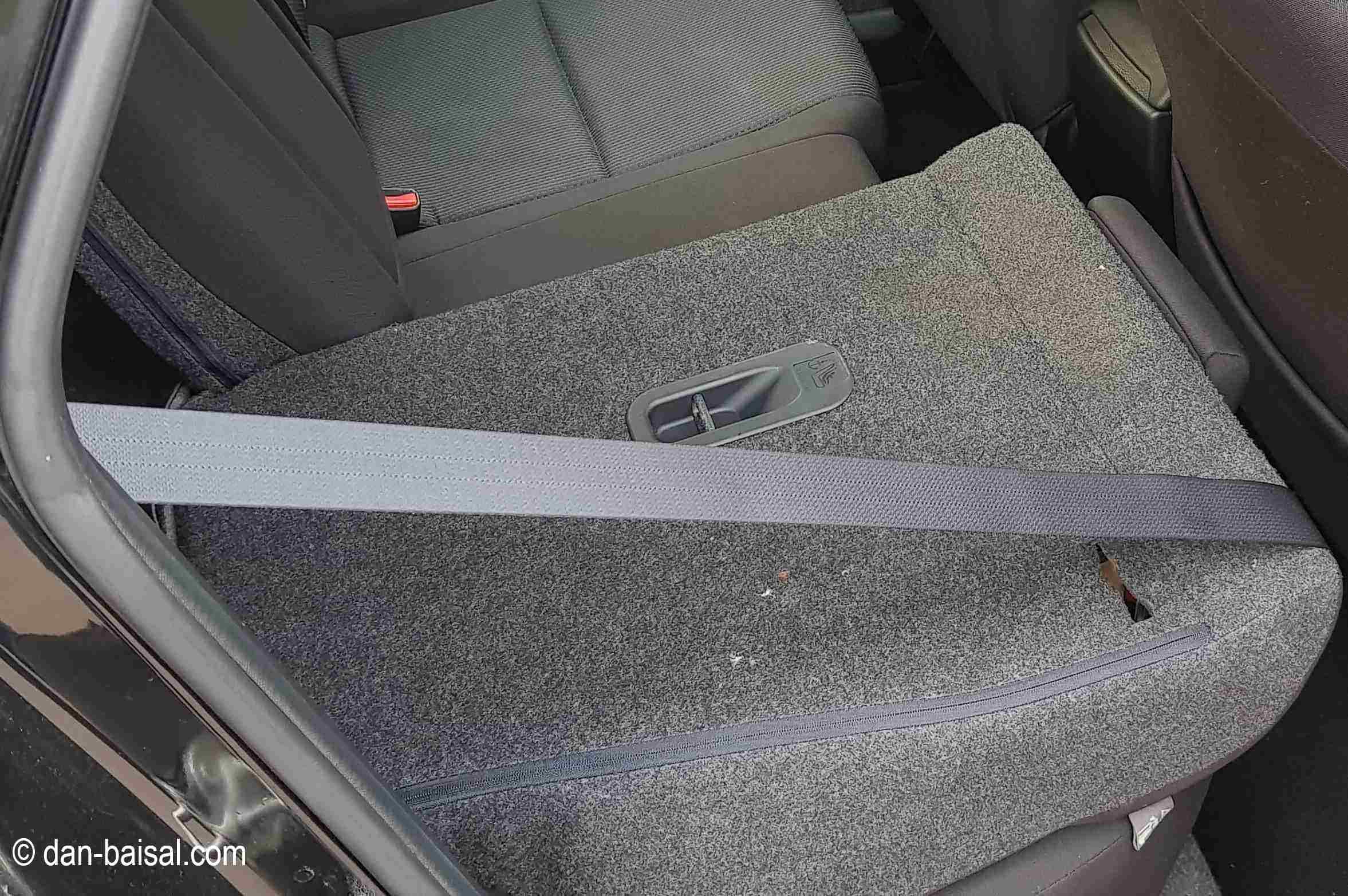
The backseats drop down 60/40 and add more luggage space if needed. Even with the seats up, you can easily store 2 large suitcases in there.
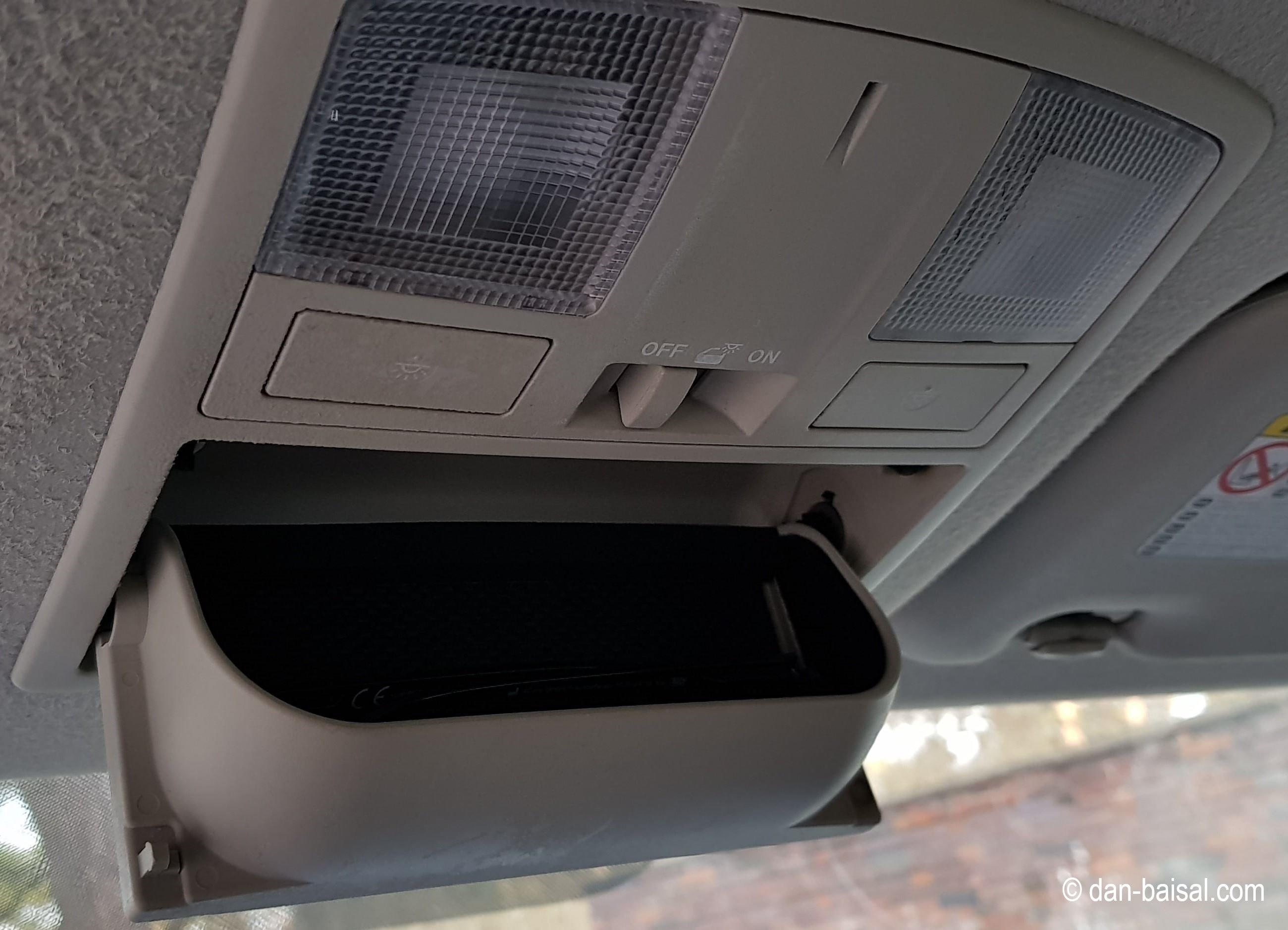
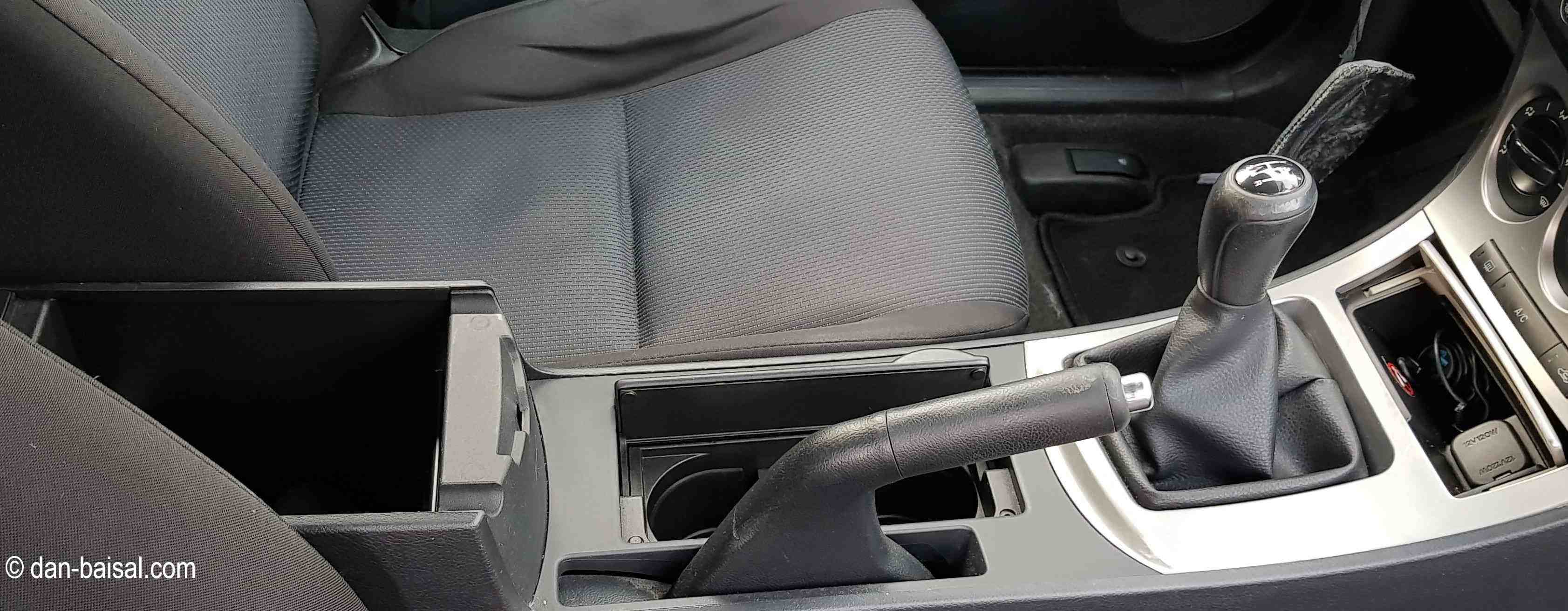
And of course, the Mazda 3 boasts many useful compartments for various bits and bobs that you can see down below.
Reliability
This is the next major reason, why this compact Mazda should be on your list. The engines (especially the petrols) are robust and simple, as long as you stay with regular versions of the 1.6 and the 2.0. The 2.3 turbocharged unit in the MPS can require more maintenance than the first two units. My particular 1.6 has over 90.000 kilometres on it and aside from basic maintenance, it needs nothing.
Also, after 13 years nothing squeaks or rattles in the interior and generally speaking, it is a very simple and honest vehicle that (at least in my case) lacks complex electronic assistance systems. And when there’s nothing that can potentially break – it doesn’t break.
Annual service costs me approximately 300 Euros. Considering that it’s the only time of the year my car sees a mechanic, I would say that it’s totally affordable and headache-free to own.
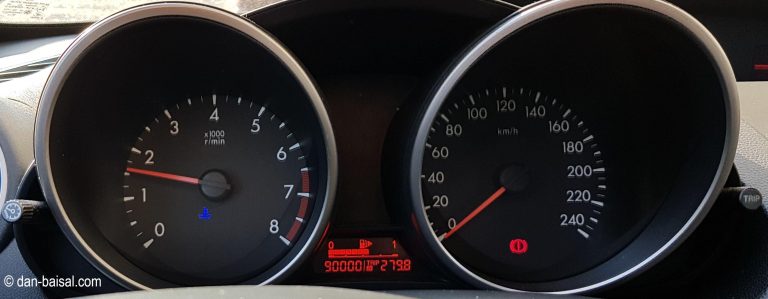
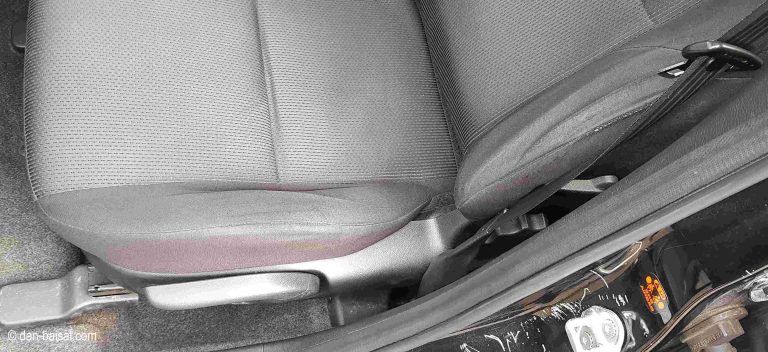
By the way, down here you see the wear and tear on the driver’s seat. Bear in mind that this is the most used one out of all other seats in the vehicle. And yet, the wrinkles on it seem perfectly acceptable to me, as I was not the only owner of this car.
Handling
The last, but certainly not least good reason to own a Mazda 3 is the handling. Now, I’m going to be honest here: The Mazda is the very first vehicle I ever owned and prior to that, the car I drove was the driving school car: The Golf Mk6. So how do they stack up?
I remember the steering in the Golf being spongy and vague. There wasn’t much feedback from the road and overall the car felt pretty dull to drive.
Not so with the Mazda. The steering feel is very precise and direct and there is a bit of weight in it to make the drive that bit more engaging. The pedals are neither too soft nor too hard, giving the perfect balance of driveability and fun, especially on a twisty country road.
One other thing that certainly helps with the driving enjoyment: The weight. Dry weight of my vehicle sits at a mere 1270 kilograms making the Mazda feel very agile and light on its toes. This low weight also makes stopping quick and effortless.
The cherry on top is the gearbox. It shifts smooth as butter and going up and down through them is a very satisfying experience.
Living With The Mazda 3: Things I Don't Like
As much as I adore my car, there still are some drawbacks. No car is perfect after all. But what exactly are the things that bother me? Let’s find out.
Sound Proofing
Remember how I was talking about the car’s low weight? Well, I suppose it was not coincidental, they had to save on material somewhere. As it seems, the sound deadening was the place to “cheap out”. What do I mean?
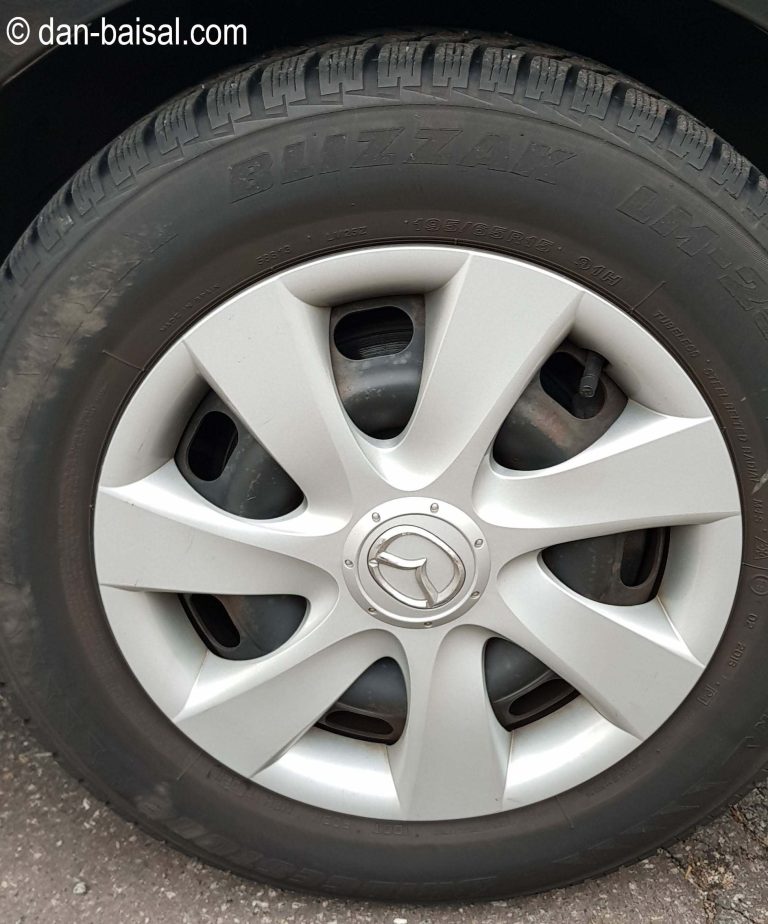
When travelling on the highway at ca. 120 kph, you get a lot of ambient noise from everywhere: Tyres, wind and engine. You can alleviate the tyre roar by putting a set of “silent” tyres as I did when switching from winter to summer tyres. I went for Hankook K435 tyres and they greatly reduced the amount of tyre roar.
However, muting out wind and engine noise is not as simple. If you actually want to have a quieter vehicle, there is no way around bringing it to a shop that specializes on car audio and sound proofing. Otherwise, those long car trips on the motorway can become annoying quickly.
Rear Visibility
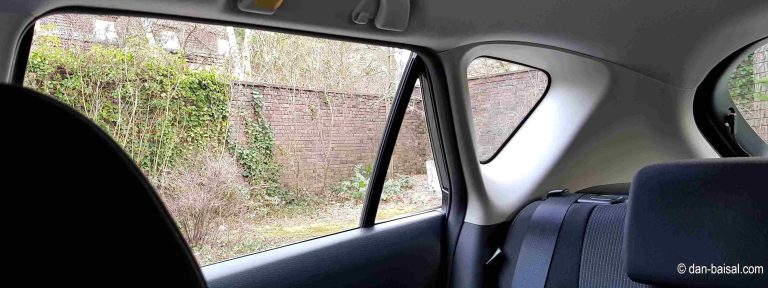
While the forward visibility is great, the view at the back isn’t. The further back you go, the smaller the windows seemingly become. Without parking sensors or a rear-view camera, the 3 is a bit difficult to park, even though you get used to its size over time. There is a pretty big blindspot at the side and around the C-pillar. The small window they’ve put to alleviate the problem is more of a gimmick rather than actual solution. At least the outside mirrors give a good look of what is happening behind you.
Lack Of Power
While the vehicle is lightweight, it is still no rocket. This was obvious to me when I was buying it, but compared to many other vehicles on the road today, I feel considerably outpowered and outperformed when accelerating from a stoplight.
Is that a huge drawback? No.
Would it be nicer if it had more power? Yes.
That’s exactly how I would summarize this point. And with that, all the cons of the vehicle are done.
Conclusion
So what is the final verdict on the Mazda 3? If you’re looking for a:
- reliable
- cheap to buy and run
- fun to drive
compact hatchback, then you can’t do much wrong with a Mazda 3 BL. The mentioned drawbacks do NOT outweigh the benefits of this amazing vehicle.
What was your first car and do you agree with my conclusion? Let me know in the comments.
No related posts.